


Gaps in environmental regulations may leave communities at risk of exposure to the toxic industrial compound.
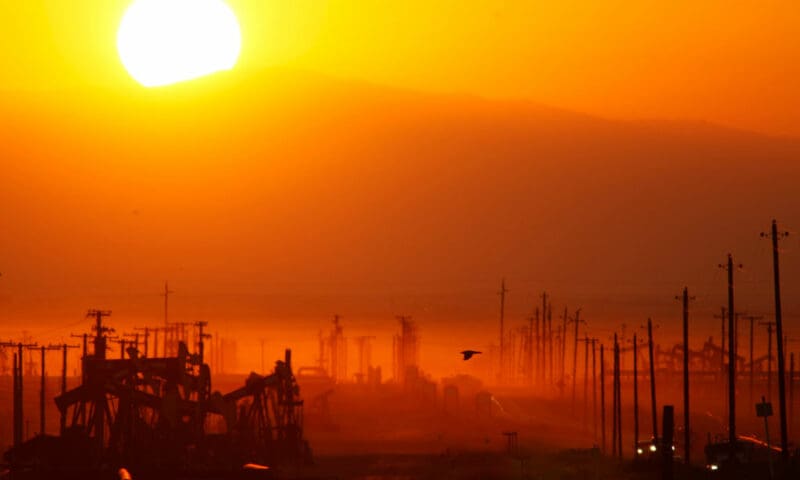
Development, oil and agriculture have long-burdened the valley with pollutants, and residents are tired of the EPA doing nothing about it.
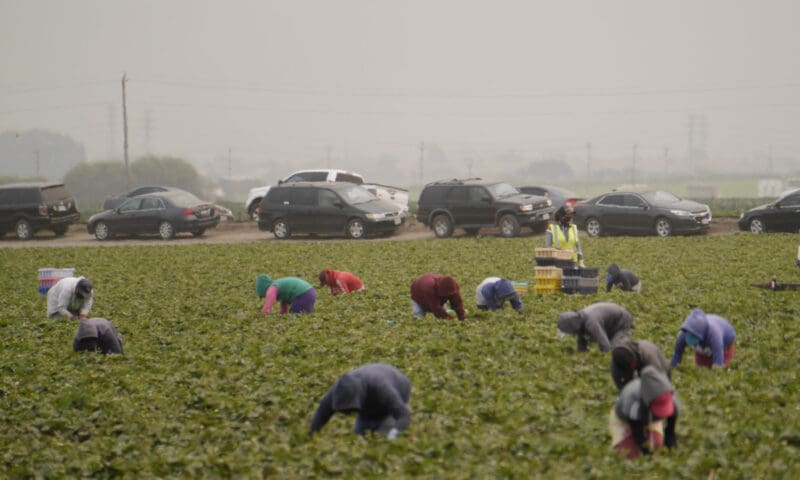
Without adequate oversight, there is little incentive for employers to protect workers during wildfire season.
The coronavirus lowered greenhouse gas emissions, but at year’s end global CO₂ concentrations are still at record levels.
Cheering the clear skies of the COVID-19 epoch is a little like celebrating the return of wildlife to Chernobyl’s exclusion zone.


Many independent contractors can’t afford to upgrade their trucks to meet low-emissions standards. Will making them company employees change that?
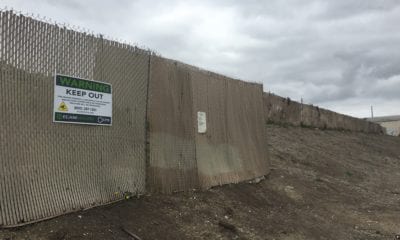

A warehouse project is planned for a Los Angeles area that is among the very worst in the state for the threats that toxic cleanups and hazardous wastes pose.
A warehouse project is planned for a Los Angeles area that is among the very worst in the state for the threats that toxic cleanups and hazardous wastes pose.
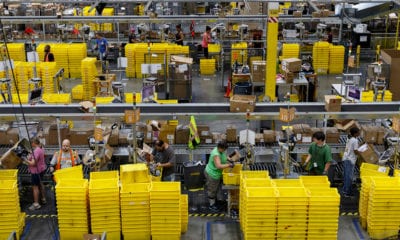
Justine Calma’s Grist article documents the Sisyphean struggle of working-class activists to fight the power of polluting industries.
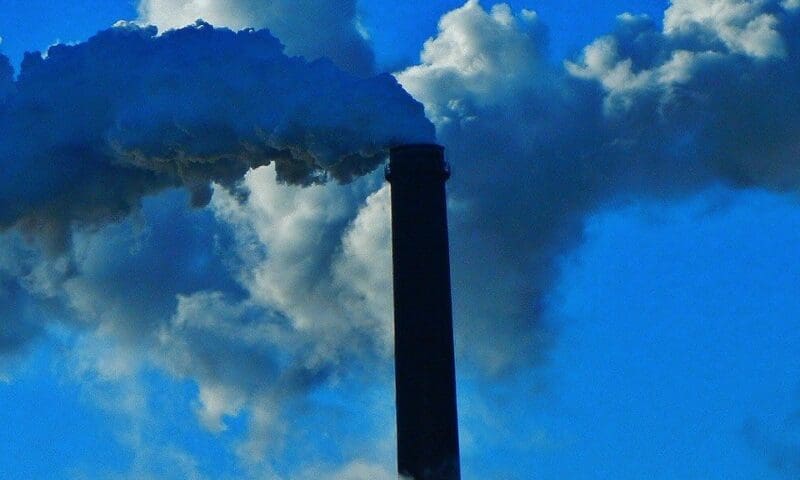
Rep. Alexandria Ocasio-Cortez’s resolution spotlights stealth connections between free trade deals, offshoring and carbon emissions.
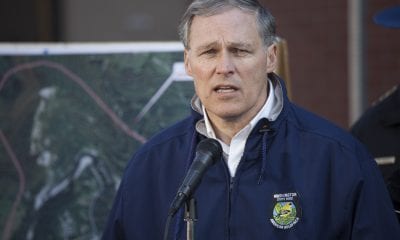

“Those who would shackle us to the pessimistic view of inaction doom us to sacrifice,” says Washington’s governor. “They doom us to sacrificing our clean air and to sacrificing the ability to walk in a forest that’s not charred down.”
Co-published by Newsweek
There’s something hinky about the governor’s climate leadership, an inconsistency that environmentalists warn will threaten his legacy.
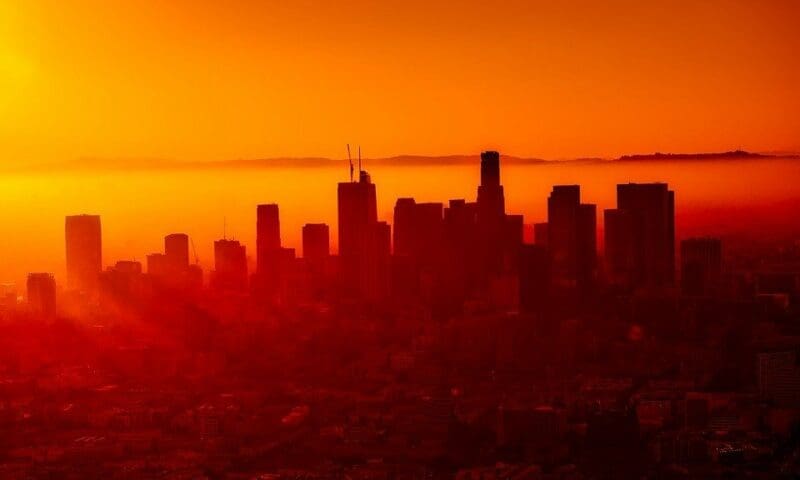

Co-published by The American Prospect
The Trump administration wants to argue that California has no special right to regulate greenhouse gas emissions from cars and trucks. But their case, experts say, is weak.
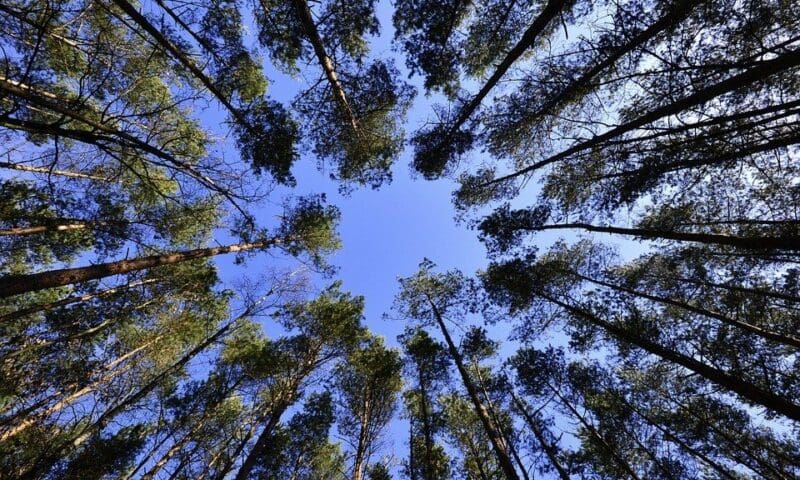

Figures compiled from campaign contribution records show that fossil fuel industries donate almost exclusively to Republican candidates. “They’ve gone out of their way to help oil and gas and coal,” says one environmentalist.
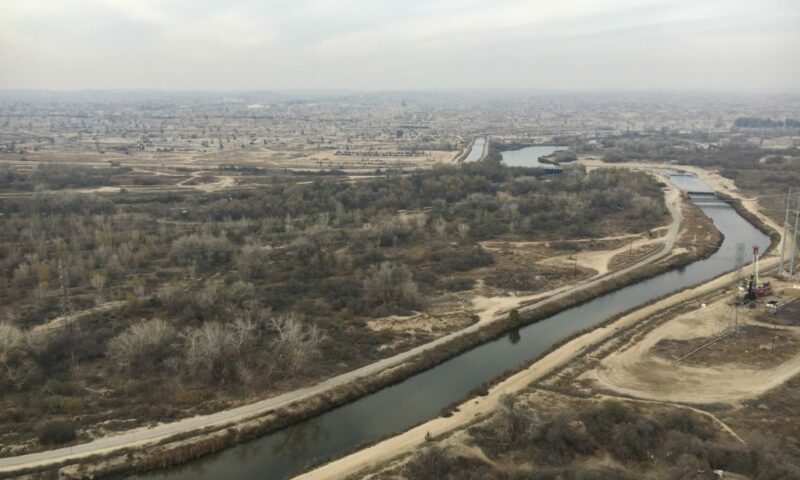

Both ozone and particulate pollution are attributed to oil and gas production, agribusiness, mega-dairies, power generation, heavy equipment and truck traffic – many of the Central Valley’s major businesses.
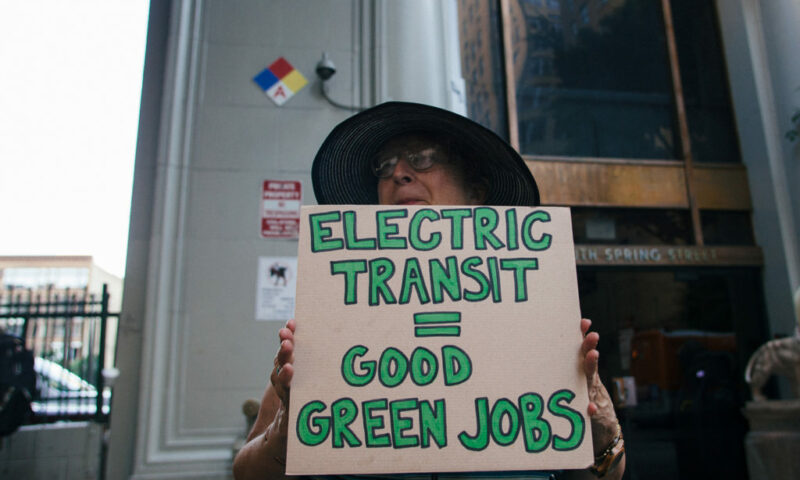
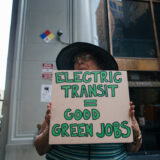
Activists have sent a loud and clear message to the California Public Utilities Commission: L.A. and the state should make electric transportation in the city and at the Los Angeles and Long Beach ports a priority.
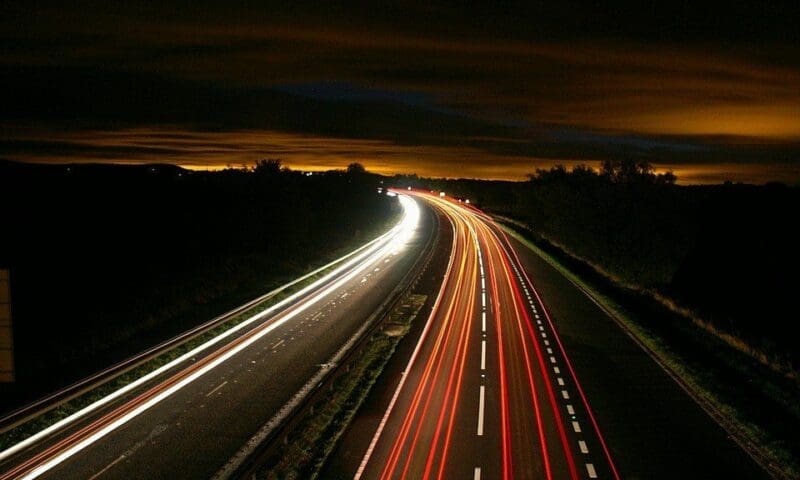

The Southern California Association of Governments’ “100 Hours” initiative is intended to solve L.A.’s traffic woes, and is named for the average number of hours Los Angeles drivers spend in traffic jams every year.
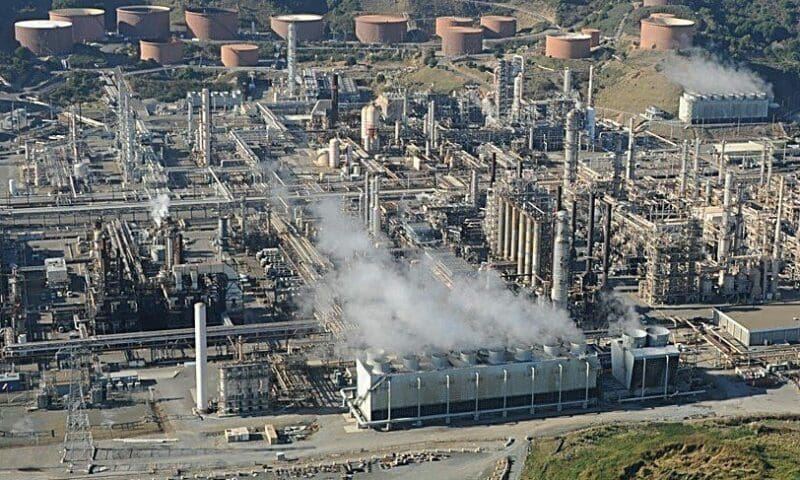
Some environmental activists worry that proposals floated by Governor Jerry Brown and legislative leaders to extend cap-and-trade, the state’s primary tool in its climate fight, will bar local air districts from regulating carbon dioxide emissions at state-regulated facilities.
Co-published by Fast Company
Is California’s strict zero-emissions strategy, which forces car makers to market exhaust-free hydrogen-fueled and battery-powered vehicles, really the most consumer friendly, egalitarian way to go?
Dean Kuipers on why Sacramento punted on Cap-and-Trade.