


As the number of H-2A guest workers mushrooms, California labor contractors and growers are packing farmworkers into motels and houses in working class neighborhoods.
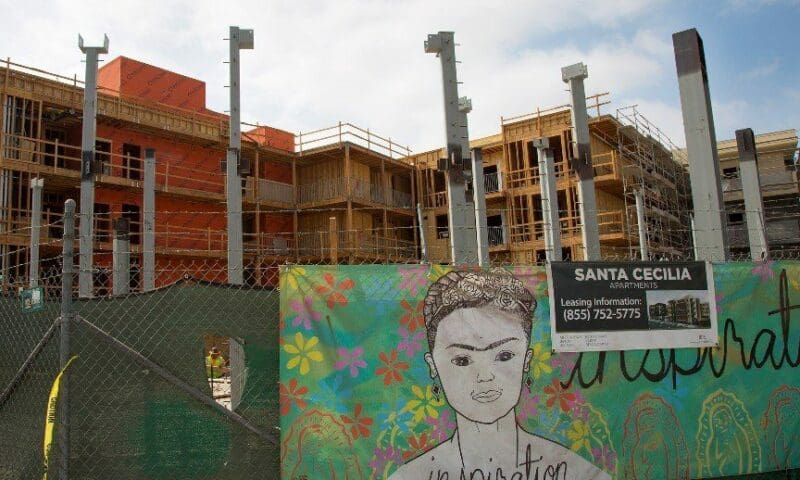

A proposed law could reboot California’s public investment system to provide a stable source of local funding for affordable housing.

Long a community with little clout, the state’s renters won a victory with national implications.


Low-income tenants fighting to remain in their affordable housing complex score a big win at City Hall.


Co-published by the American Prospect
Supporters say vacant-property taxes keep speculators from sitting on properties until they can rent or sell them for more money.
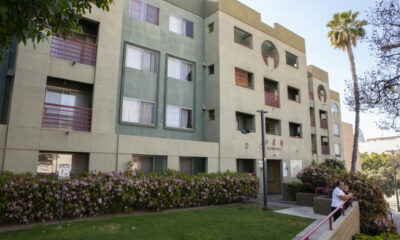
Last month tenants in a large apartment complex were close to an agreement that would have kept their units affordable. Suddenly, they are facing eviction again.
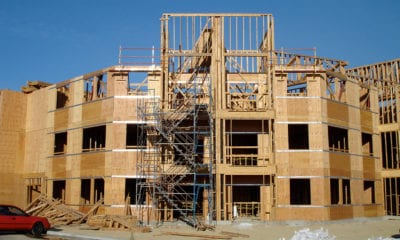
With the death of Senate Bill 50, there are no active bills in Sacramento that tackle housing affordability.


But a county ordinance kicks in too late to help others.


According to the Federal Reserve, student loan debt now tops $1.5 trillion. One presidential hopeful’s debt-cancellation proposal has found no shortage of supporters and critics.


Borrowing tactics from the Occupy and labor movements, a coalition of faculty and anti-gentrification activists has set up a tent city outside the University of Southern California. Their proclaimed target: USC’s culture of greed and opaqueness.

As affordable-housing agreements written 30 years ago begin to lapse, California is set to lose more than 34,000 affordable-rent units.
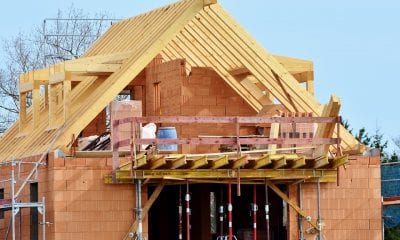
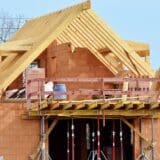
Developers blame a half-century-old law for slowing development. Studies show there are other factors at work.


Co-published by Fast Company
As cities struggle to rein in the short-term rental service, a detente in San Francisco may show the way.
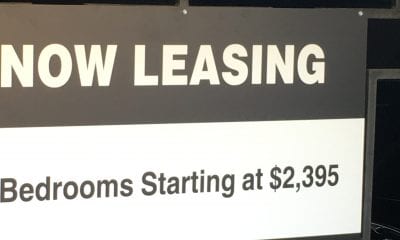

Although California’s leading politicians favor rent-cap legislation, none is on the horizon.


Co-published by Splinter
Research shows that corporate landlords are contributing to a rise in housing prices.


Advocates say California’s new governor can use his bully pulpit to support affordable housing — and to build on 15 housing bills Jerry Brown signed in 2017.


Capital & Main looks back at the year through 10 stories.


How can the new administration best help California’s neediest residents?
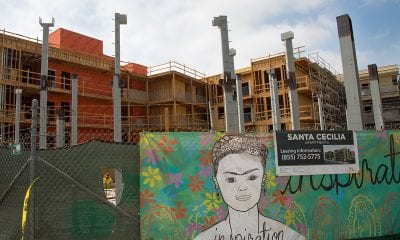

Most experts don’t believe that the governor-elect’s target of creating 3.5 million new units by 2025 is achievable. Still, they are energized by his bold plans.


Co-published by Fast Company
California’s high rents are undermining tenants’ retirement prospects and the broader economy.