
Child Farmworkers
To Protect Underage Farmworkers, California Expands Oversight of Field Conditions
State agencies to join forces to crack down on child labor violations after Capital & Main found enforcement breakdowns.
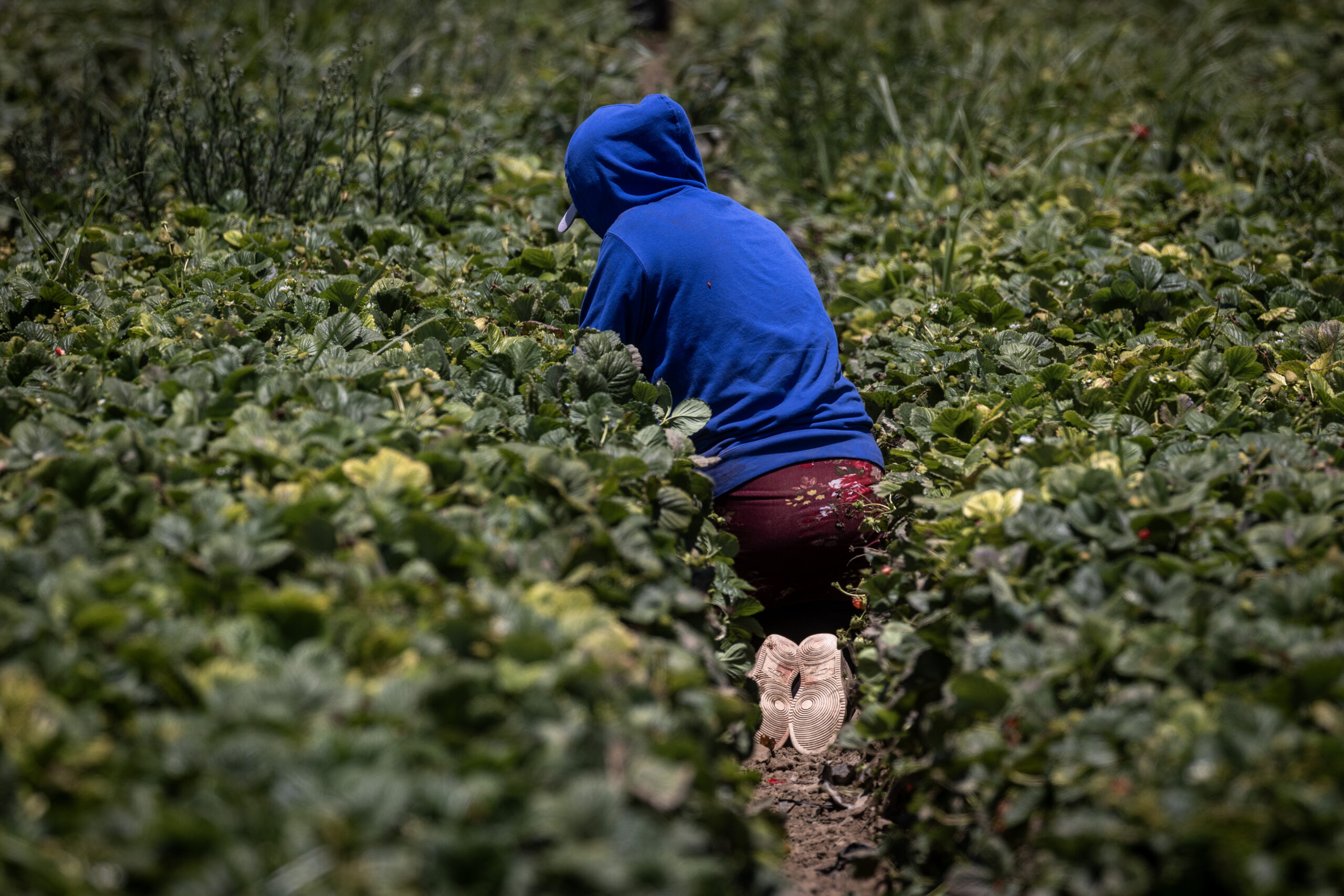

California officials said they are launching new enforcement actions to protect underage farmworkers, including enhanced coordination among two state agencies charged with inspecting work conditions in the fields.
The actions follow an investigation by Capital & Main, produced in partnership with the Los Angeles Times and McGraw Center for Business Journalism, which found that the state is failing to protect underage farmworkers who labor in harsh and dangerous circumstances. Thousands of children and teenagers work in California fields to provide Americans with fresh fruit and vegetables. While laborers as young as 12 can legally work in agriculture, many described being exposed to toxic pesticides, dangerous heat and other hazards.
The new enforcement efforts will be overseen by the state Labor and Workforce Development Agency, which directs key agencies charged with regulating child labor and worksite safety laws, officials said.
Officials said the state’s Bureau of Field Enforcement, which regulates child labor and wage and hour laws, is developing plans to conduct joint operations with an existing agricultural enforcement task force assigned to the Division of Occupational Safety and Health, known as Cal/OSHA.
Inspectors from the two agencies typically perform field operations separately and enforce different laws.
Working together will enable the state to “increase its presence in the fields and its capacity to identify violations,” according to Crystal Young, deputy secretary of communications for the Labor and Workforce Development Agency.
The agency is also overseeing an effort to share data among enforcement teams from departments such as the Agricultural Labor Relations Board, Department of Industrial Relations and Employment Development Department. Sharing information, Young said, will “further bolster our ability to identify potential violations for investigation.”
In a written statement, she said that state officials have been actively enforcing child labor rules across all industries, assessing 571 violations that resulted in “millions of dollars in penalties” from 2017 through 2024.
But records obtained under the California Public Records Act for that period show that only a small number of child labor enforcement actions involved the agricultural industry. Just 27 citations were issued for child labor violations to the thousands of agricultural employers across California, the records show. The fines totaled $36,000, but the state collected only $2,814.
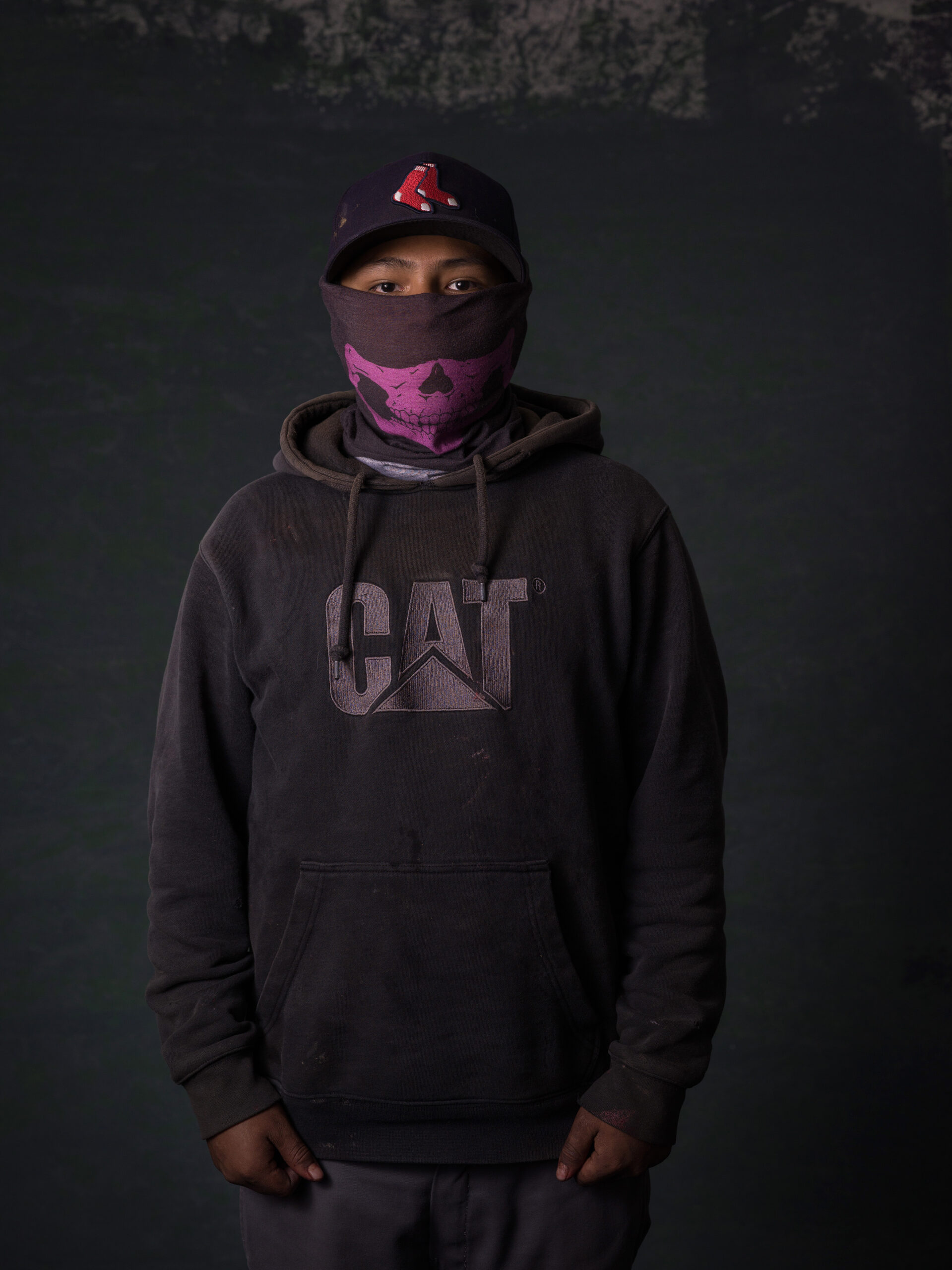
Jose, seen at 13, picks strawberries in the Salinas Valley.
Photo: Barbara Davidson.
Cal/OSHA enforcement records show that the agency failed to investigate most complaints about alleged violations of California’s outdoor heat law and reports of outdoor heat injuries, as well as an overall 74% drop in citations issued to agricultural employers for all infractions. The heat law requires employers to provide safety training as well as cool water and shade when temperatures exceed 80 degrees.
Worker advocates lauded the plans for increased enforcement as steps in the right direction. But they added that any long-term solutions need to address issues such as low wages and poverty, both of which drive minors to work in the fields to help their families pay rent and put food on the table.
“Being able to support farmworker families through a living wage, you know, is one of the ways that we can really address this issue,” said Erica Diaz-Cervantes, 25, a former underage strawberry picker who is now a senior policy advocate for the Central Coast Alliance United for a Sustainable Economy. With higher wages, “Children won’t have to feel this responsibility to help their family financially by working in the fields,” she added.
Other efforts are underway, nationally and in California, to address issues involving underage farmworkers.
U.S. Rep. Raul Ruiz (D-Palm Desert) recently reintroduced legislation that would change the federal minimum age for farmworkers from 12 to 14 for most farm jobs, as well as strengthen enforcement and improve nationwide data collection on injuries and fatalities. California requires minors to be 14 years old to work in most instances but allows children as young as 12 to labor up to 40 hours a week in agriculture when school is not in session.
Assemblymember Damon Connolly (D-San Rafael) said in a statement that he ordered an audit earlier this year to review issues such as inconsistent enforcement in California’s pesticide regulation process, which is split between local and state agencies.
The recently published investigation analyzed more than 40,000 state pesticide enforcement records from 2018 through early 2024 and found piecemeal regulation at the county level. The records showed that businesses operating in multiple counties were not fined for hundreds of pesticide violations — many of them involving worker safety.
More than two dozen underage farmworkers and their parents said in interviews that they worked in fields that smelled of chemicals and described feeling sick and dizzy or suffering from skin irritations. The workers and their parents are from families with mixed-immigration status, and Capital & Main has used only their first names.
The audit, expected to be completed next year, “will help us determine whether the need is for additional resources, statutory and regulatory changes, or more vigorous enforcement of existing laws,” said Connolly, who chairs the Committee on Environmental Safety and Toxic Materials.
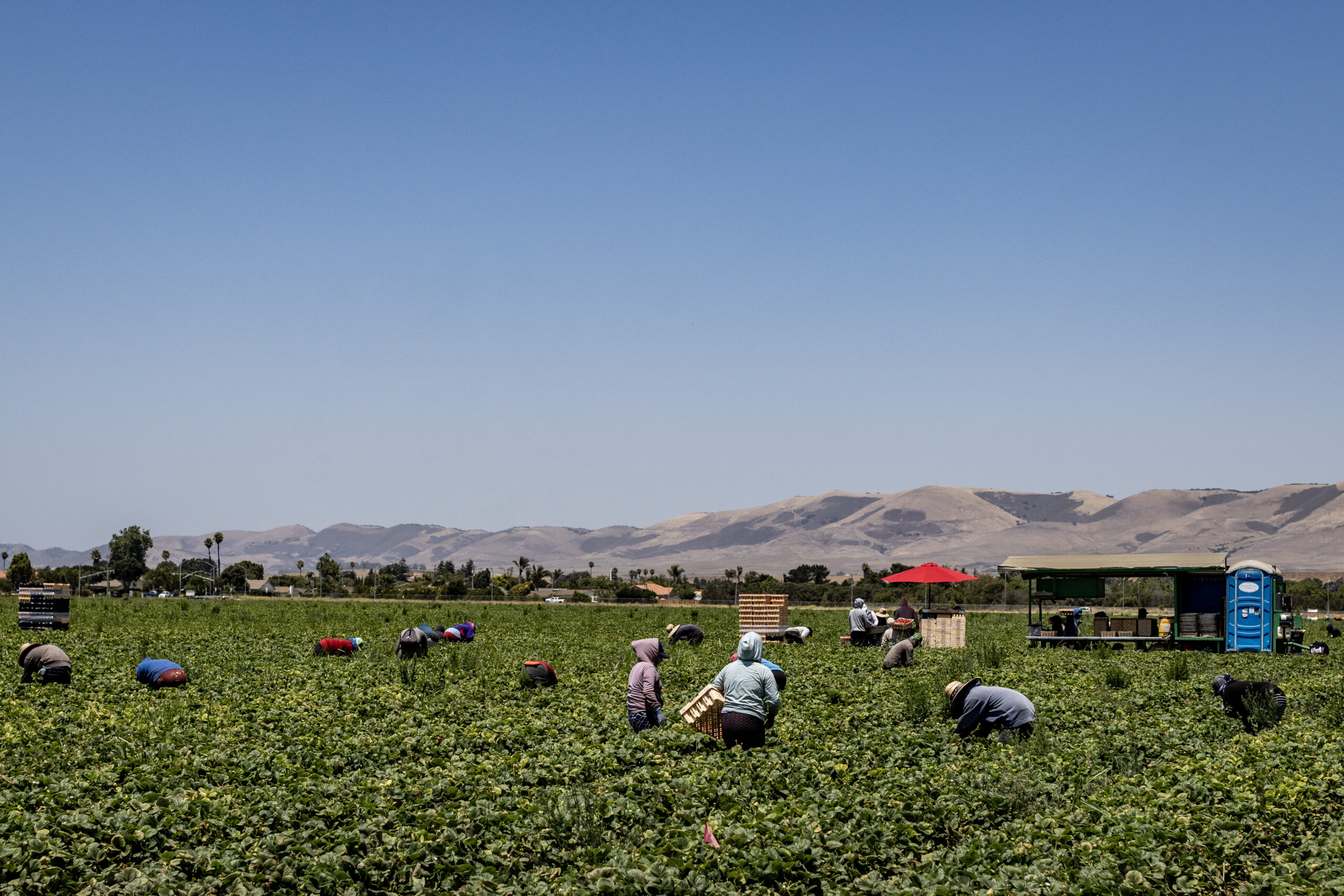
Strawberry pickers, like these in the Salinas Valley, squat and bend over for hours on a summer day. Photo: Barbara Davidson.
Connolly and Assemblymember Liz Ortega (D-San Leandro) said that the Department of Pesticide Regulation, which oversees pesticide safety statewide, should develop educational materials for underage workers to inform them about pesticides and how to report problems. Such information has been created for high school students to inform them of general worker rights.
“That’s one tool that we can use in agriculture to keep these children safe,” said Ortega, who chairs the Labor and Employment Committee and has held hearings on workplace safety in the fields.
A spokesperson for the Department of Pesticide Regulation said the agency has pesticide safety information in multiple languages on its website for all farmworkers but has not created materials for minors. Some of the information is posted in many of the fields.
Underage farmworkers said that such information is badly needed.
“Many of us don’t know what pesticides are, how they can harm our health or … what we’re supposed to do to safely work around them,” said Lorena, 17, who has been harvesting strawberries since she was 11 years old in the Santa Maria Valley. She described being exposed to chemicals that caused her eyes to burn and her skin to break out in rashes.
“Having all that information in one simple flyer,” she said, “could make it much easier for us to be able to recognize the dangers and know how to protect ourselves.
Robert J. Lopez is an independent journalist and fellow with the McGraw Center for Business Journalism.
This story was produced in partnership with the McGraw Center for Business Journalism at the Craig Newmark Graduate School of Journalism at the City University of New York and was supported by the California Health Care Foundation and the Fund for Investigative Journalism.
Copyright 2025 Capital & Main.
Read part one of Capital & Main’s investigation into the health and safety of child farmworkers in California. Lea en español.
Read part two: Child farmworkers exposed to toxic pesticides amid lax enforcement. Lea en español.



-
 Imperial DivideJune 3, 2026
California’s Lithium Valley Dreams Meet Reality at the Only Restaurant in Town
-

 Column - State of InequalityJune 4, 2026
California’s Economy Runs on Labor Trump Wants to Deport
-
 Featured VideoJune 5, 2026
At This New Mexico Park, Mountain Bikers Pedal Amid Hundreds of Oil Wells
-
 Latest NewsJune 9, 2026
Ousted by the Trump Administration, U.S. Immigrants Remain Locked up in African Kingdom
-
 The SlickJune 10, 2026
Data Centers Are on the Ballot — This Pennsylvania Candidate Won Her Primary Keeping Them Top of Mind
-

 Latest NewsJune 8, 2026
The Glacier May Be Gone, but the Love Isn’t
-
 Latest NewsJune 12, 2026
California Town Lets Private ICE Detention Centers Police Themselves
-
 Column - State of InequalityJune 11, 2026
County Tax Measures Show Limits of Local Responses to Medicaid Cuts