Column - State of Inequality
Cuts Aimed at Abortion Are Hitting Basic Care
Emergency state support for Planned Parenthood can’t fully offset lost Medicaid dollars, and patients are paying the price.
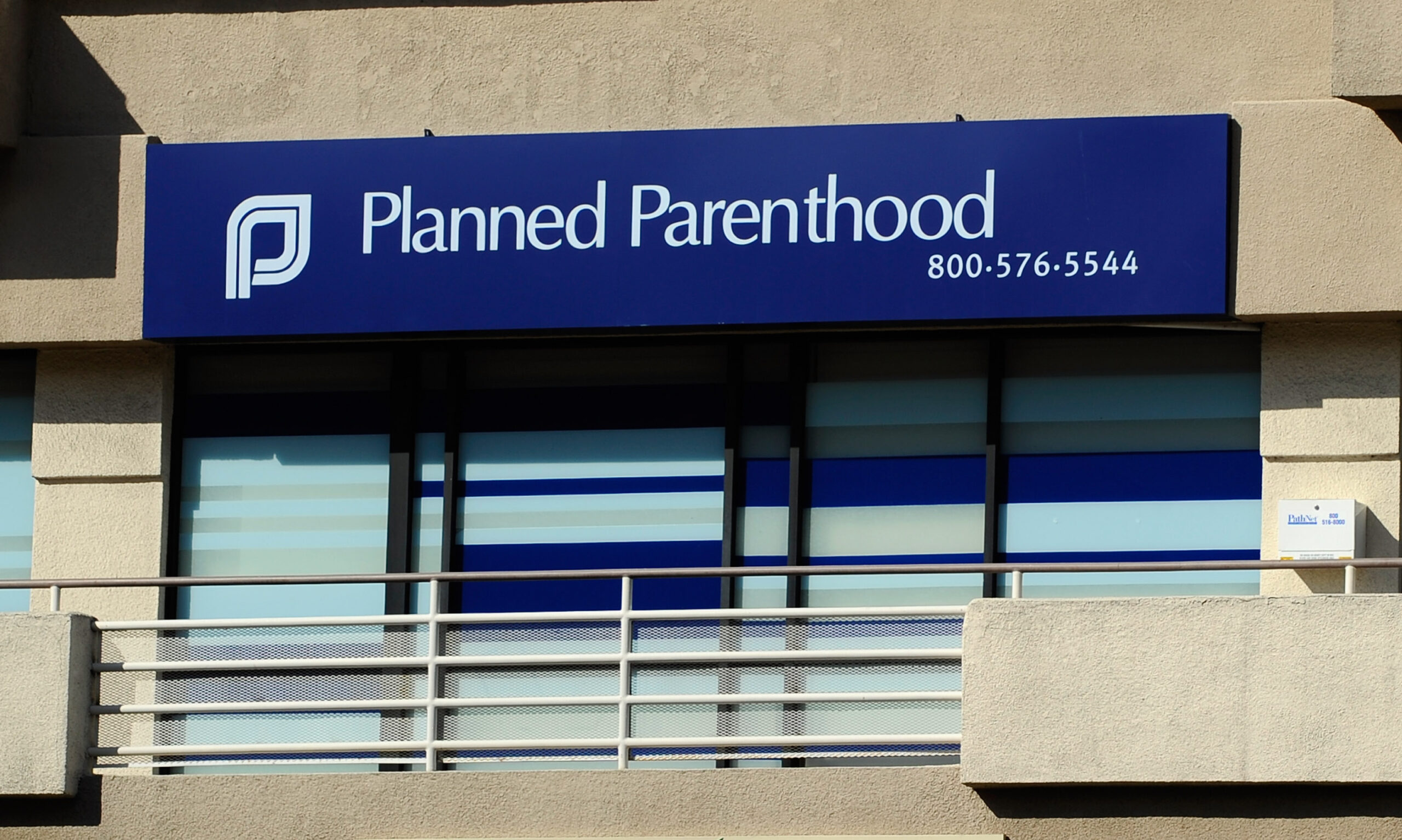

When the Donald Trump-directed Congress defunded Planned Parenthood last year, critics warned that choking off federal Medicaid payments to the organization would do little to prevent abortion services, but instead deny everyday health care to hundreds of thousands of the nation’s most vulnerable patients.
About six months into the one-year funding shutoff, that is precisely what is happening. And while Planned Parenthood clinics are largely still standing and still providing reproductive care, there can be no doubt that H.R. 1 has done damage.
Just not to the issue the president’s administration seemed most fixated on.
“That’s the ironic part: The federal government was coming for abortion — that’s what they were so upset about, that we provide [the procedure],” said Krista Hollinger, president and CEO of Planned Parenthood of Orange and San Bernardino Counties in California. “But instead, in our case specifically, they took away diabetes screening, mental health services, cancer screening, diabetes treatment — all of the primary care.”
Up and down California and across the country, that scenario is playing out at the roughly 600 Planned Parenthood clinics that serve more than 2 million patients. Prior to the passage of the so-called Big Beautiful Bill, about $700 million in federal Medicaid funding was expected to flow to Planned Parenthood — more than a third of the national organization’s budget.
Without the contracts with local health providers that federal Medicaid dollars fund, the organization’s clinics have been in scramble mode. Some have had to reduce basic reproductive and sexual health services such as contraception, family planning and testing for sexually transmitted infections, including HIV.
In California and 10 other states, though, the funding blow has been softened somewhat. Decisive state-level action has directed badly needed funds to Planned Parenthood affiliates there, allowing clinics to stay open, even in a diminished capacity, and navigate an admittedly uncertain future.
And what isn’t changing in any event is their provision of abortion services, which by law can’t be supported by federal funding. Those services have for decades been covered strictly by private revenue sources and state budgets. They continue on — and they’re only a fraction of Planned Parenthood’s larger system of care.
“More than 90% of what we provide in care across the state is not abortion,” Hollinger said. “We’re very proud of the abortion services that we do provide, and it’s a legal service here in the state of California. But most of what we do is full-scope reproductive health — and that is what the defunding cuts.”
* * *
With its 115 Planned Parenthood clinics, seven affiliate groups and 1 million patients, California offers an outsized example of the deep effects of the Trump cuts. It also provides a roadmap for dampening the most severe effects of Trump’s war on the organization.
On Feb. 11, Gov. Gavin Newsom signed the second of two emergency funding bills for Planned Parenthood to pass through the state Legislature since last fall. Together, the measures provide about $235 million — a fair chunk of the estimated $300 million that the state organization lost in federal funding. (California accounts for about a third of all Planned Parenthood patients nationally.)
“While the Trump Administration relentlessly puts women’s health and safety at risk, California’s latest investments support Planned Parenthood and protect access to critical resources for women and families across the state,” Newsom said at the signing ceremony for the latest measure, a $90 million, one-time expenditure.
That’s money that will keep clinics open, even if they have to reduce staff or take fewer patients. It also buys time: The denial of federal Medicaid funding is a one-year ban set to expire in July, and it’s unclear whether congressional Republicans will want to again go after Planned Parenthood when public opinion strongly supports legal abortion.
But even if Congress backs off, real damage has been done. At Planned Parenthood of Orange and San Bernardino Counties, one of the largest affiliates in the country with 130,000 patients, the denial of Medicaid funding quickly drove an important primary health care program into the ground.
Melody Health, housed within seven of the counties’ nine clinics, was created in 2013 to provide comprehensive care to largely underserved communities, Hollinger said. (Nearly 80% of Planned Parenthood patients in California are low income and rely on Medi-Cal, the state’s version of Medicaid, for their coverage.)
By last year, Melody Health had grown to 13,000 patients across the two counties, people who had chosen Planned Parenthood to be their primary health care provider for everything from routine checkups to cancer screenings and mental health services. But all of that depended on Medicaid funds that provided reimbursement of costs.
Without the funding, Melody shuttered its operation last October, laying off 81 workers, including physicians, nurses and administrative staff. The 13,000 patients had to begin the search for a new provider in a new system.
“Devastating,” Hollinger said. “You lose these dedicated staff members, and then we still have those former patients coming in, saying that they haven’t been able to get in to see their [new] doctor. It’s been a real hit for all of them.”
* * *
The federal defunding of Planned Parenthood was never going to result in the organization agreeing to stop providing abortion services. It’s possible, though we’ll likely never know, that congressional Republicans thought they could wreck the organization by withholding the federal money. Instead, only about 20 clinics nationally cited H.R. 1 as the reason they were forced to close — not nothing, but not as dire a result as some predicted.
That total includes just five closed clinics in California, a testament to state legislators acting quickly and decisively to direct emergency funding.
“Without a doubt, California is hit hardest by the Trump Administration and Congressional Republicans’ federal defund of Planned Parenthood health centers,” Jodi Hicks, CEO and president of Planned Parenthood Affiliates of California, said in a statement as the new $90 million state funding measure went through.
The emergency funds, Hicks said, ensure that patients “from Eureka to El Centro can continue to access the essential care they need and deserve, no matter what.” But it’s a short-term solution — one that California may well have to repeat if the Trump administration continues its attack on Planned Parenthood.
Copyright 2026 Capital & Main



-

 The SlickMay 29, 2026
Feds to Open Tens of Thousands of Acres of Colorado Wilderness to Oil Drilling
-
 Deadly Dust: The Silicosis EpidemicMay 27, 2026
California Moves to Ban Quartz Countertop Fabrication to Combat Silicosis Epidemic
-
 Latest NewsMay 26, 2026
Conditions at California ICE Detention Centers Are Getting Worse, Inspections Find
-
 Imperial DivideJune 3, 2026
California’s Lithium Valley Dreams Meet Reality at the Only Restaurant in Town
-

 Column - State of InequalityMay 28, 2026
Top Democratic Candidates Agree on Housing Urgency, Not the Fix
-

 Latest NewsJune 1, 2026
Deep Cuts to Civilian Support Staff for Families of Deployed Marines Raise Concerns
-

 Column - State of InequalityJune 4, 2026
California’s Economy Runs on Labor Trump Wants to Deport
-

 The SlickJune 5, 2026
At This New Mexico Park, Mountain Bikers Pedal Amid Hundreds of Oil Wells