
Latest News
Photo Essay: The Californians Powering America
Powerful photos capture the lives and work of California immigrants whose contributions often go unseen or underappreciated. A selection of images from an exhibition at Los Angeles County libraries shows the range of visual stories on display through March.

For permission to republish this article, send request here.
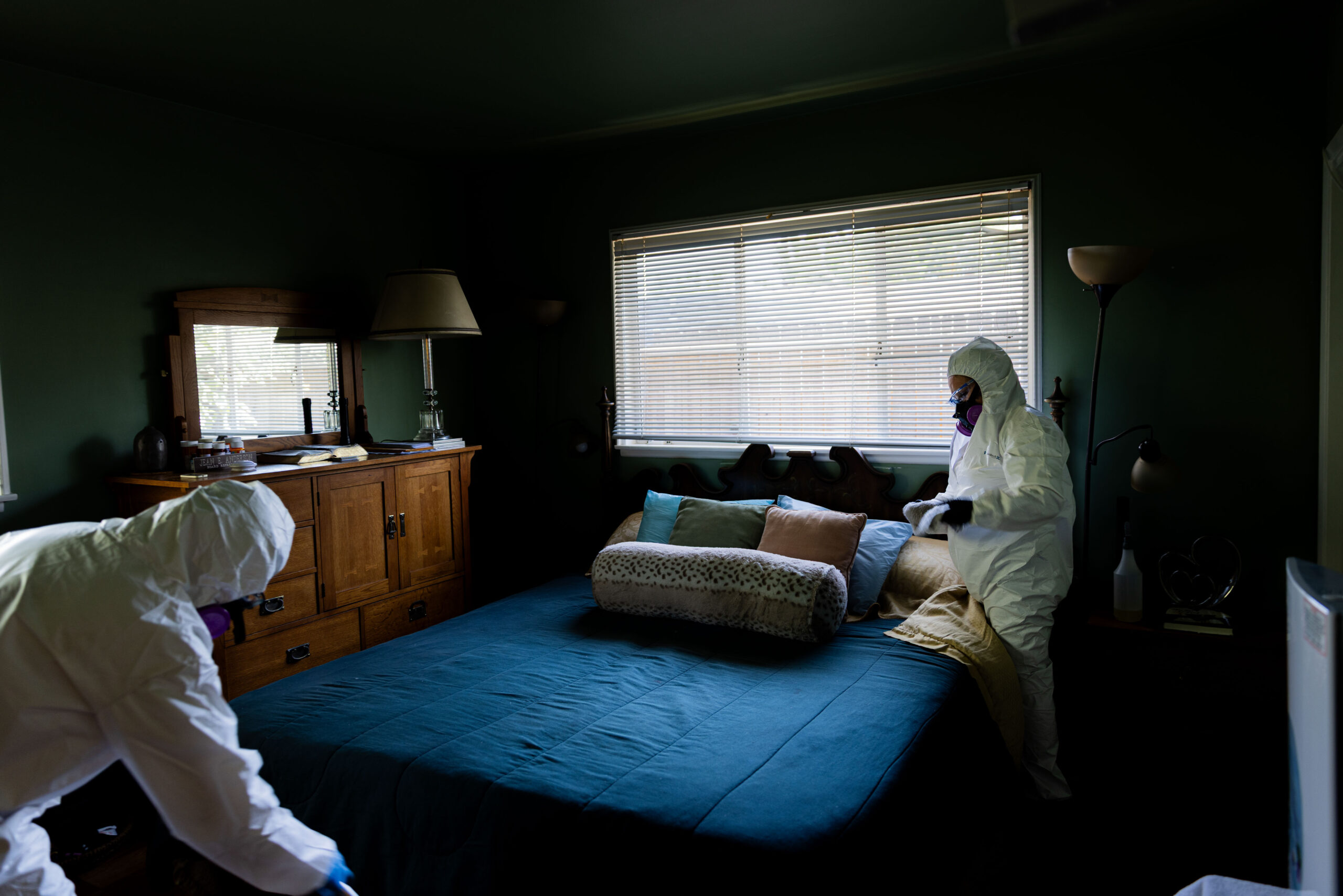
Immigrant workers from Guatemala, Honduras and Venezuela wear respirators and coveralls as they restore Los Angeles homes damaged by the devastating January 2025 wildfires. A Korean-born nurse in a surgical mask and gloves visits a patient’s home to tend to their post-surgery wounds. Sawdust flies through the air and onto José Martinez’s hands and shirt sleeves as he builds furniture, doors and kitchen cabinets at his Mexican family’s home outside of San Diego.
These are among the powerful, intimate and revealing images in an immersive photography exhibition, called “The Californians Powering America,” being presented by the Economic Hardship Reporting Project, Magnum Photos and LA County Library.
From agriculture and food service to health care and disaster response, America’s economy depends on immigrant labor. But too often, the contributions of immigrant communities remain unseen and underappreciated. At a time when immigrants are under increasing threat, this powerful collection of visual stories from photographers Matt Black, Sabiha Çimen and Yael Martinez showcases the humanity of those whose often thankless, low-wage work the nation relies on.
“The Californians Powering America” is on display at the San Fernando Library and La Cañada Flintridge Library through March 31 and is free and open to the public during library hours. Capital & Main is publishing a selection of photos from the visual stories featured in the exhibit:
South Korean Nurses in Los Angeles
In this intimate portrait of Korean nurses in Los Angeles, Sabiha Çimen documents the quiet labor in caregiving to reveal powerful stories of resilience, cultural identity and solidarity. Photographed in July 2025 alongside their patients in daily life, in home care settings and social gatherings, these portraits reflect both the physical labor and emotional investment that immigrant workers bring to Californian domestic life.
Photos by Sabiha Çimen / Magnum Photos for Economic Hardship Reporting Project.
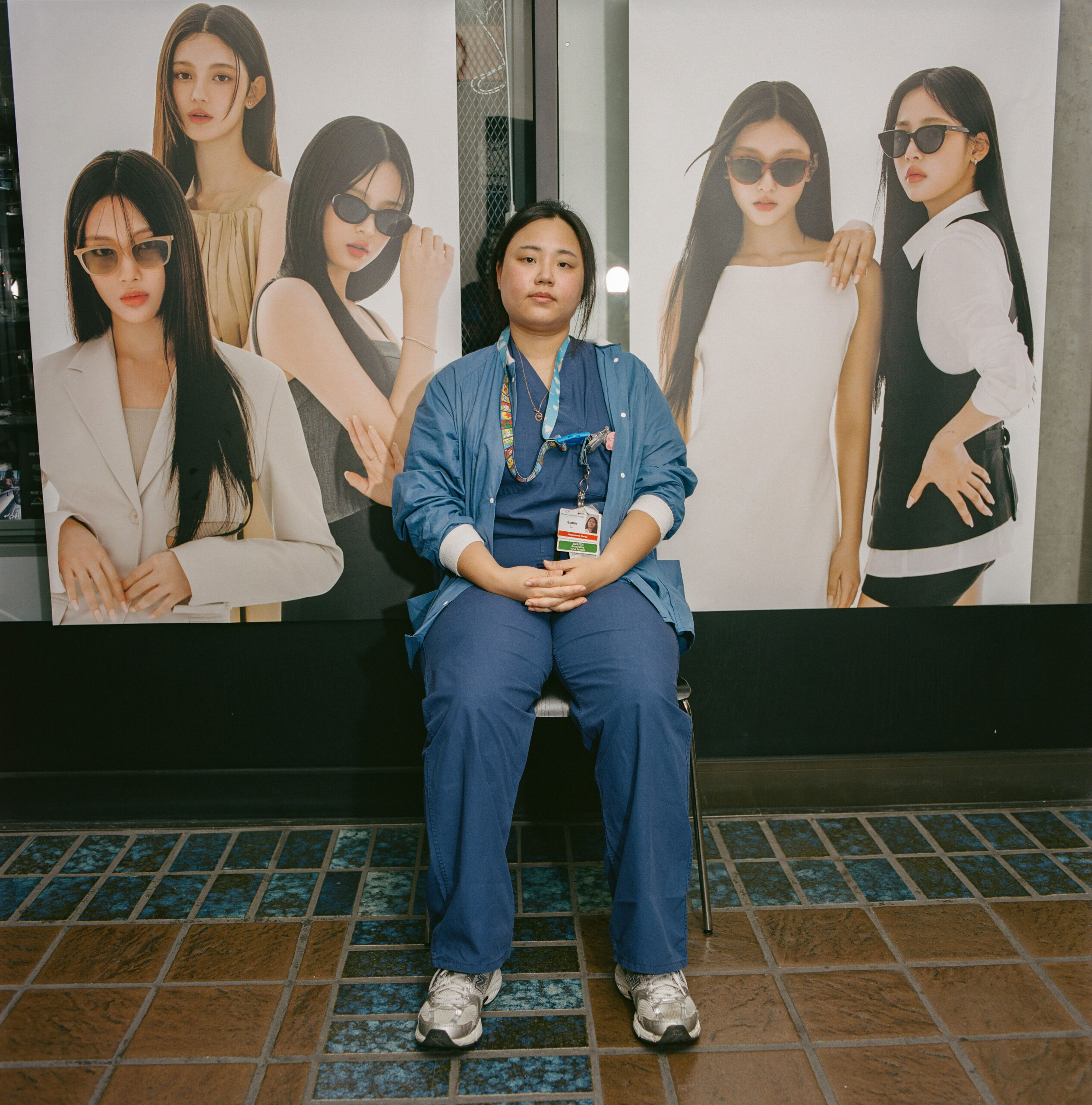
Sumin Lee, 30, a circulating nurse, came to Los Angeles in 2024 and is responsible for keeping patients free of infection after surgery.
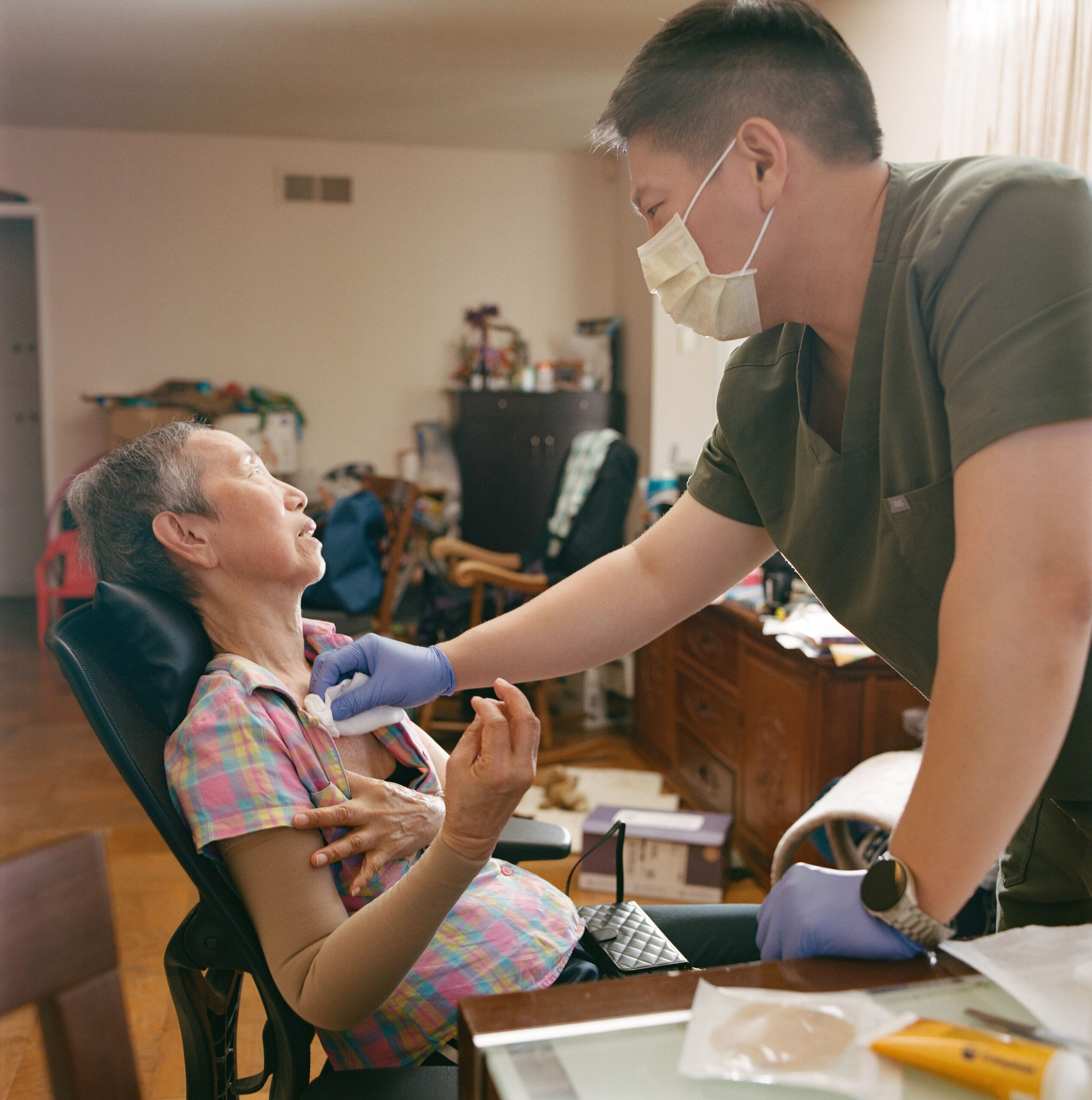
Nurse Youngsup Lim, 34, visits patients’ houses to clean their wounds after surgery.
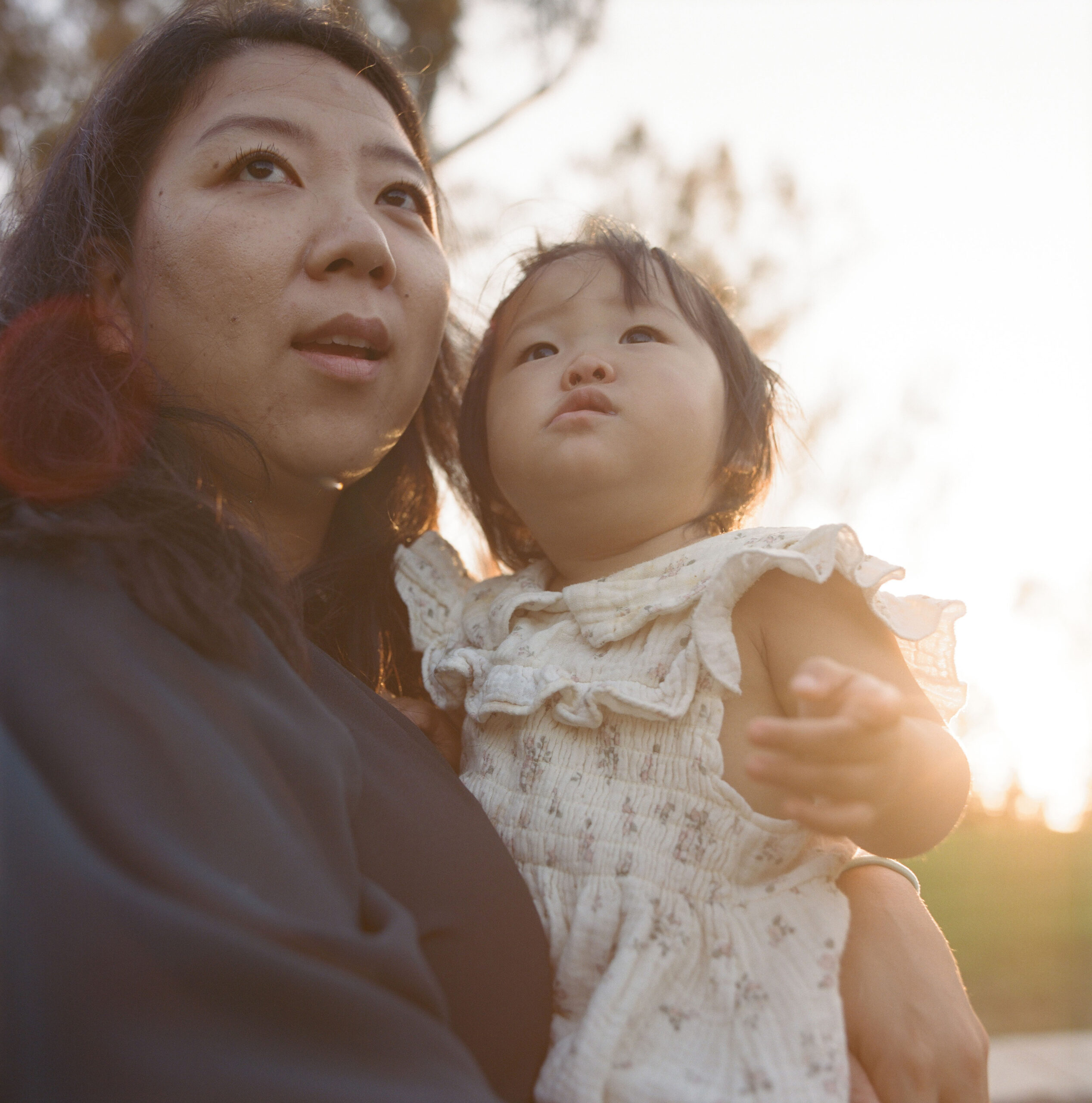
Nurse Yesol Hong, 38, with her baby. Hong moved to the U.S. when she was 16 and now has four kids. Korean nurses, she said, often do the work that other people take credit for.
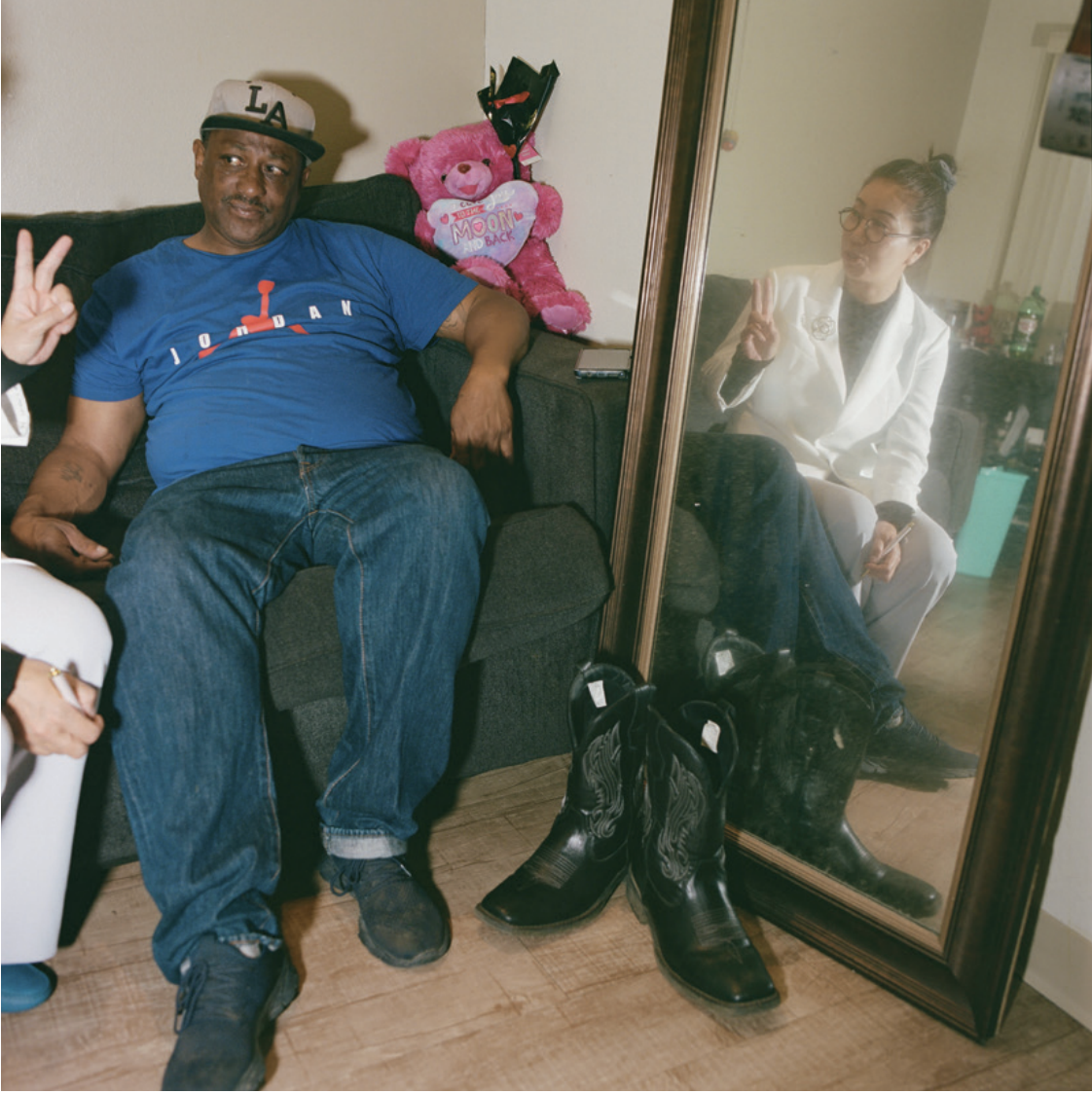
Sarah Ko, a mental health nurse practitioner, visits her patient, David, 57, at home.
Fire Recovery Efforts in Los Angeles
This story by Yael Martinez highlights the vital yet precarious role of immigrant workers in Los Angeles’ recovery from the devastating wildfires of January 2025. Martinez’s photography showcases Latin American immigrants’ vital contributions to the cleanup and rebuilding efforts as they worked to restore Californians’ burned homes in the summer following the fires. Martinez’s photography portrays the solidarity among migrant workers from different backgrounds, the looming threat of mass deportation, and what it means when those offering aid to a devastated city are themselves denied support and security.
Photos by Yael Martinez / Magnum Photos for Economic Hardship Reporting Project.
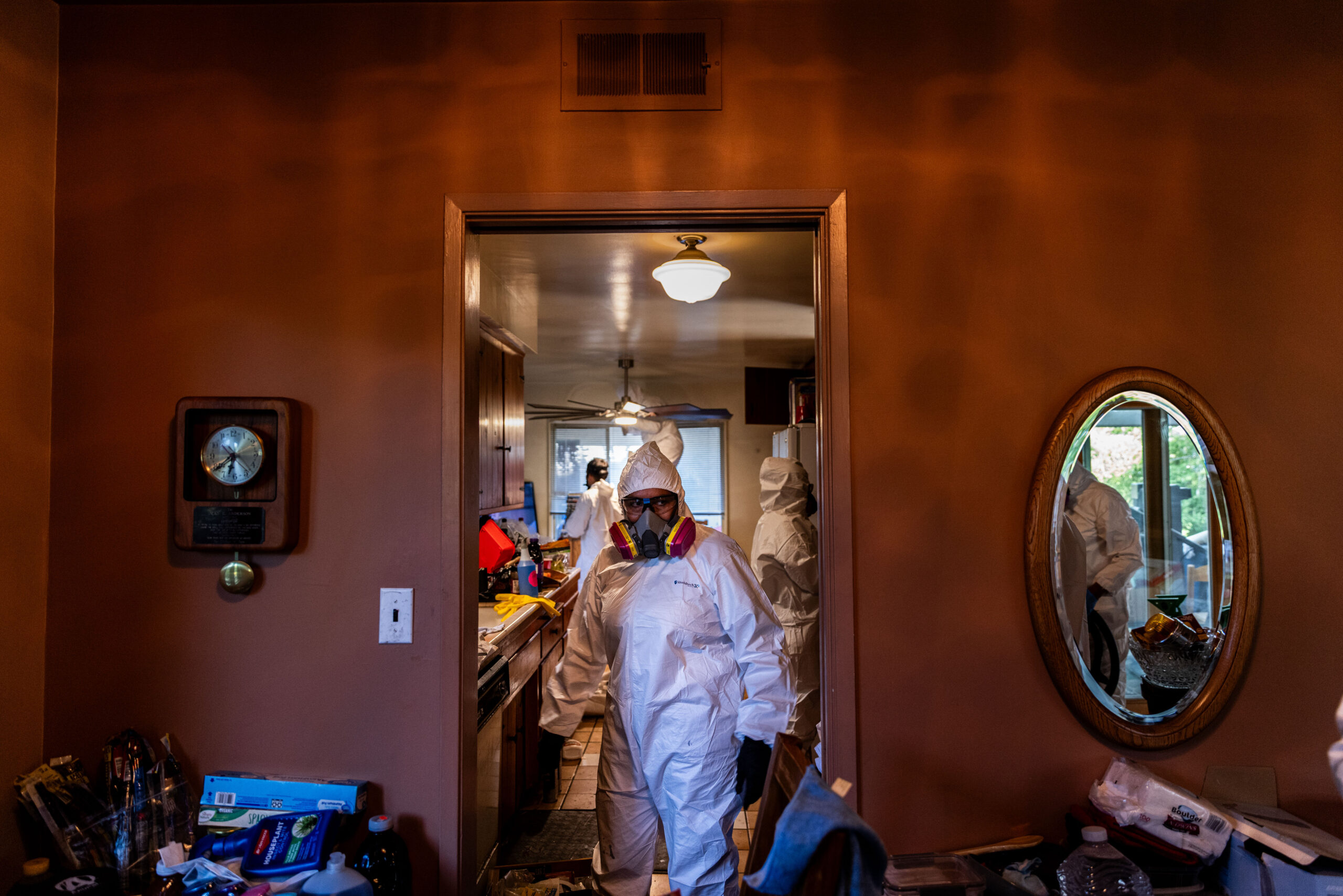
Martina, originally from Venezuela, works on the restoration of a home damaged by the wildfires in Los Angeles. She and her son also lost the apartment they were renting due to the fires, navigating their own path to recovery as she helps others rebuild.
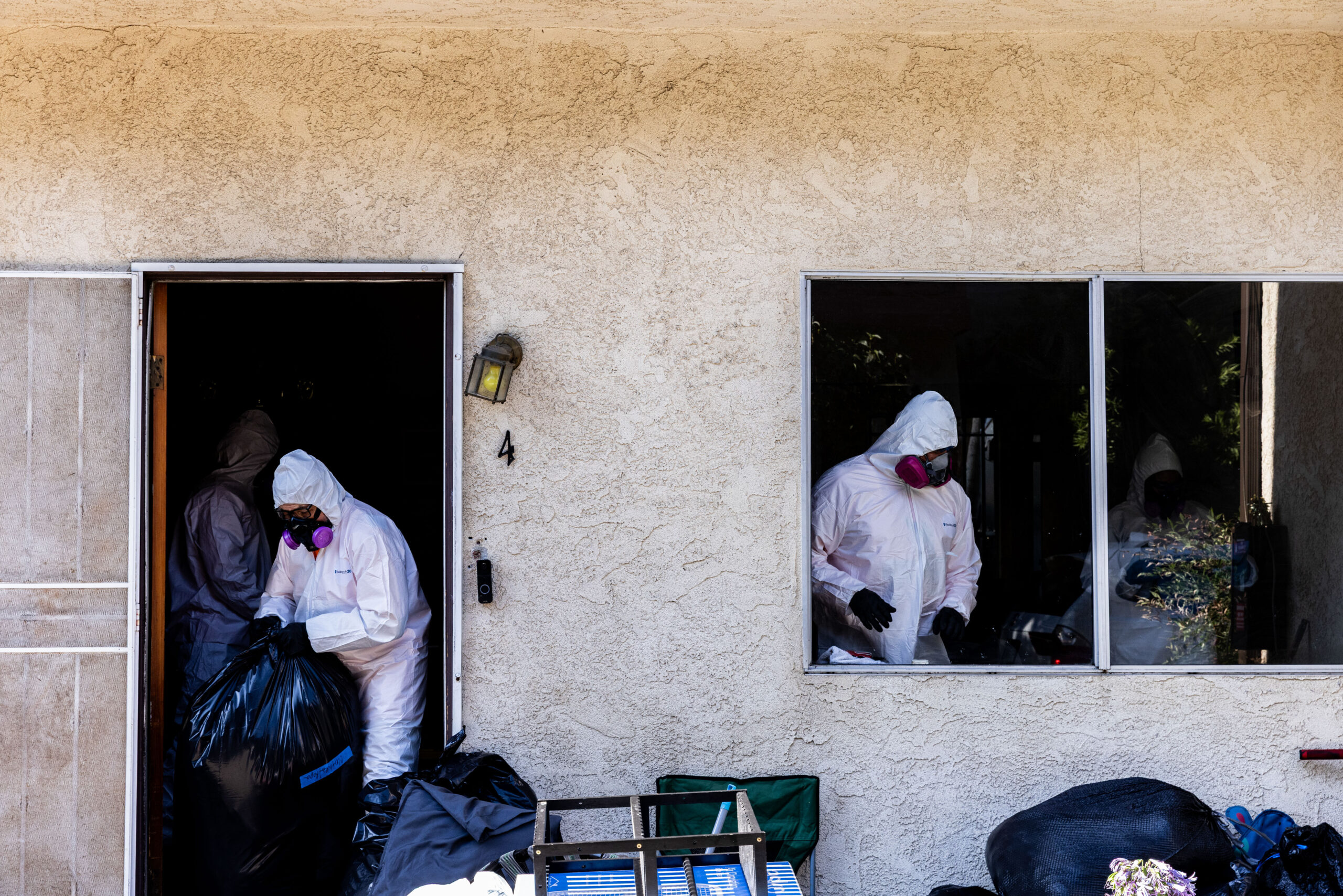
A group of Latin American migrants works to restore a home damaged by the recent wildfires in Los Angeles.
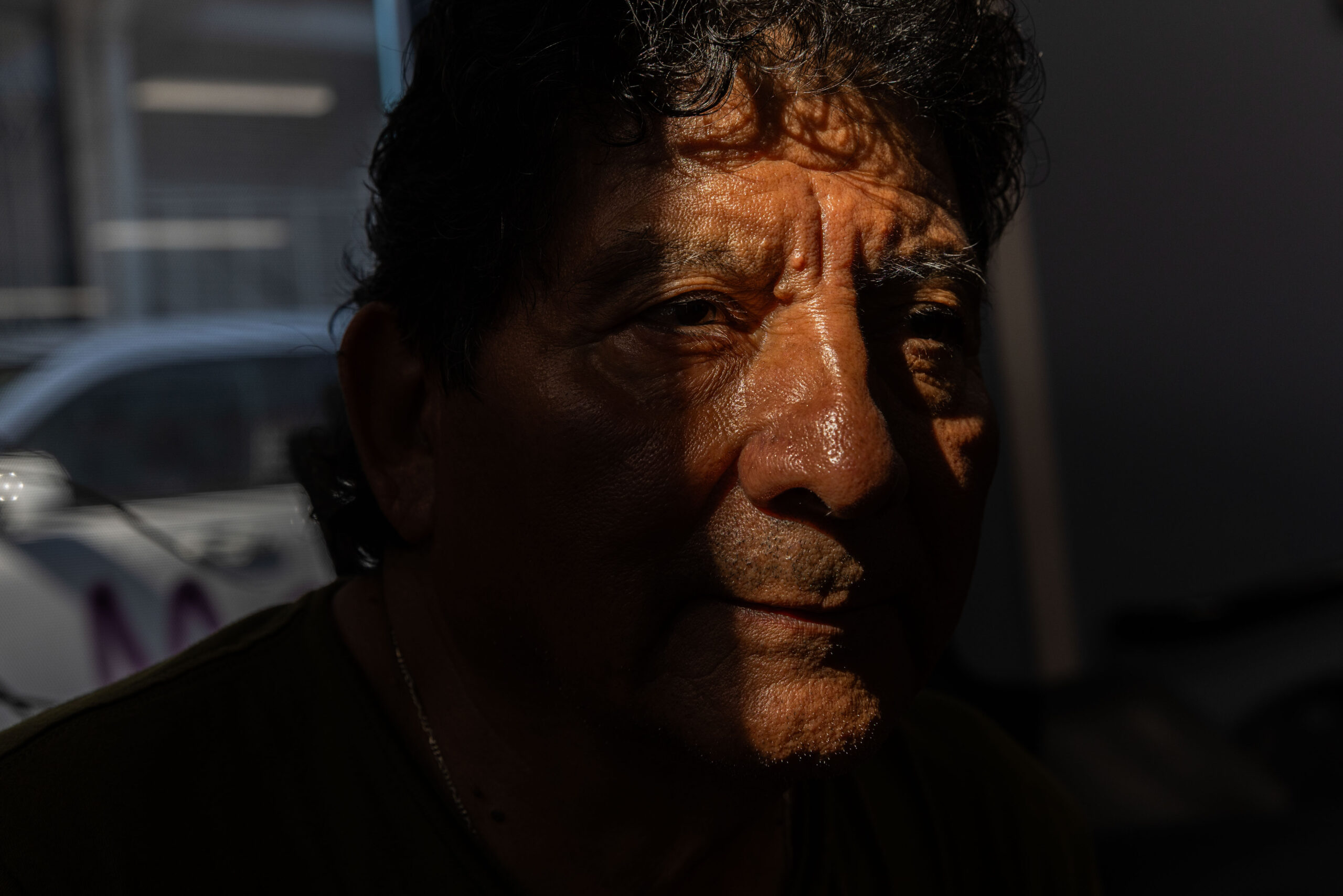
Ervin, a Guatemalan worker, has been supporting the community since the onset of the January wildfires in Los Angeles.
Muslim Immigrants in Los Angeles
From restaurateurs and shop managers to local business owners, Sabiha Çimen explores the contributions of Muslim immigrants in Los Angeles whose integration into American life has come with great sacrifice, and whose contributions have sustained so many in California and beyond. These stories offer a glimpse inside the lives and businesses of immigrants from India, Iran, Somalia, Palestine, Pakistan and Lebanon to reveal powerful stories of resilience, cultural identity and solidarity.
Photos by Sabiha Çimen / Magnum Photos for Economic Hardship Reporting Project.
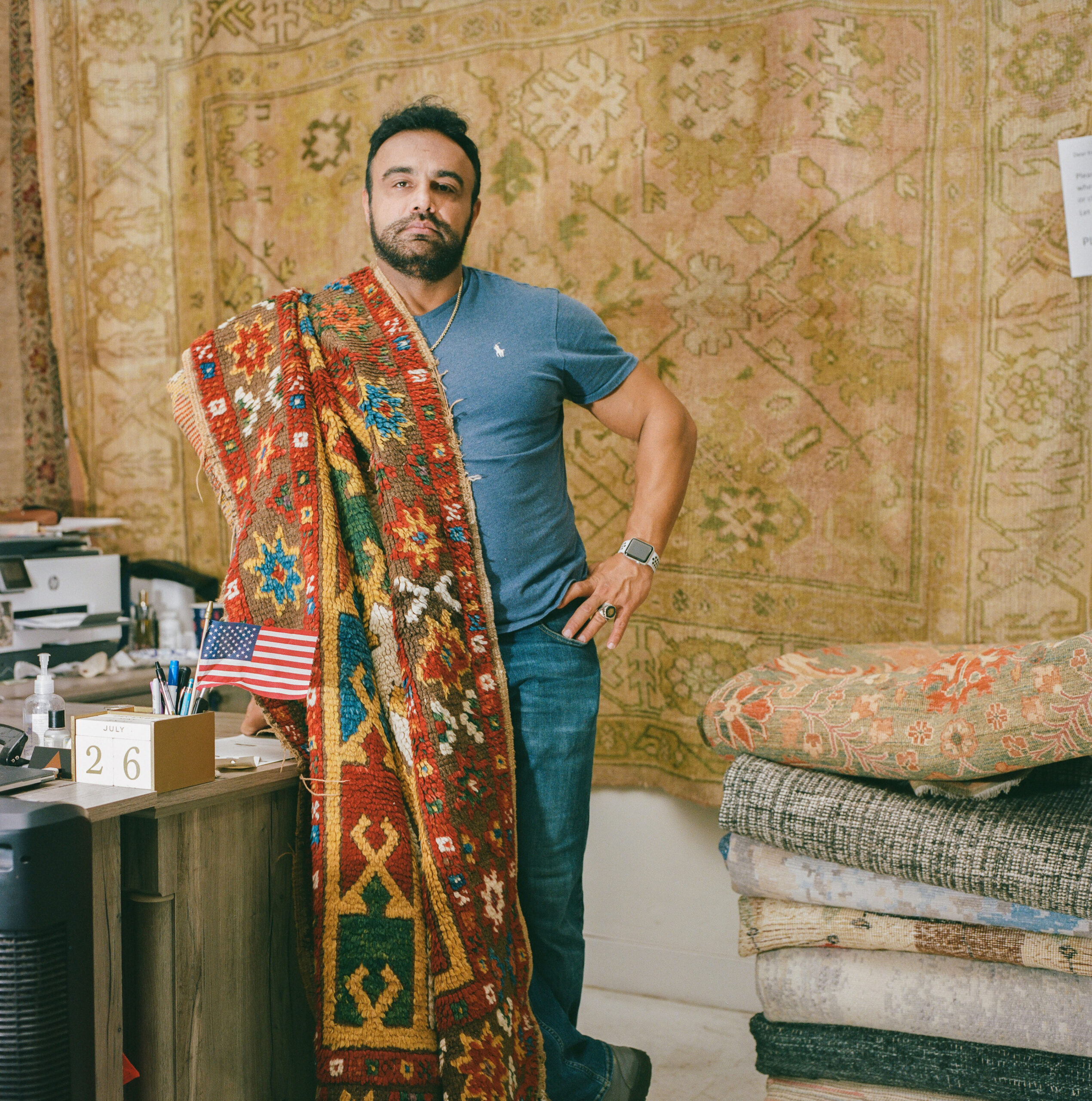
Hamed Moradi, 45, of Naz Rug store, also works as a trainer at a gym. He came from Iran looking for opportunities and now has permanent residency in the U.S. His work gives him a sense of safety and belonging, and a way to share the rich traditions and artistry of where he grew up.
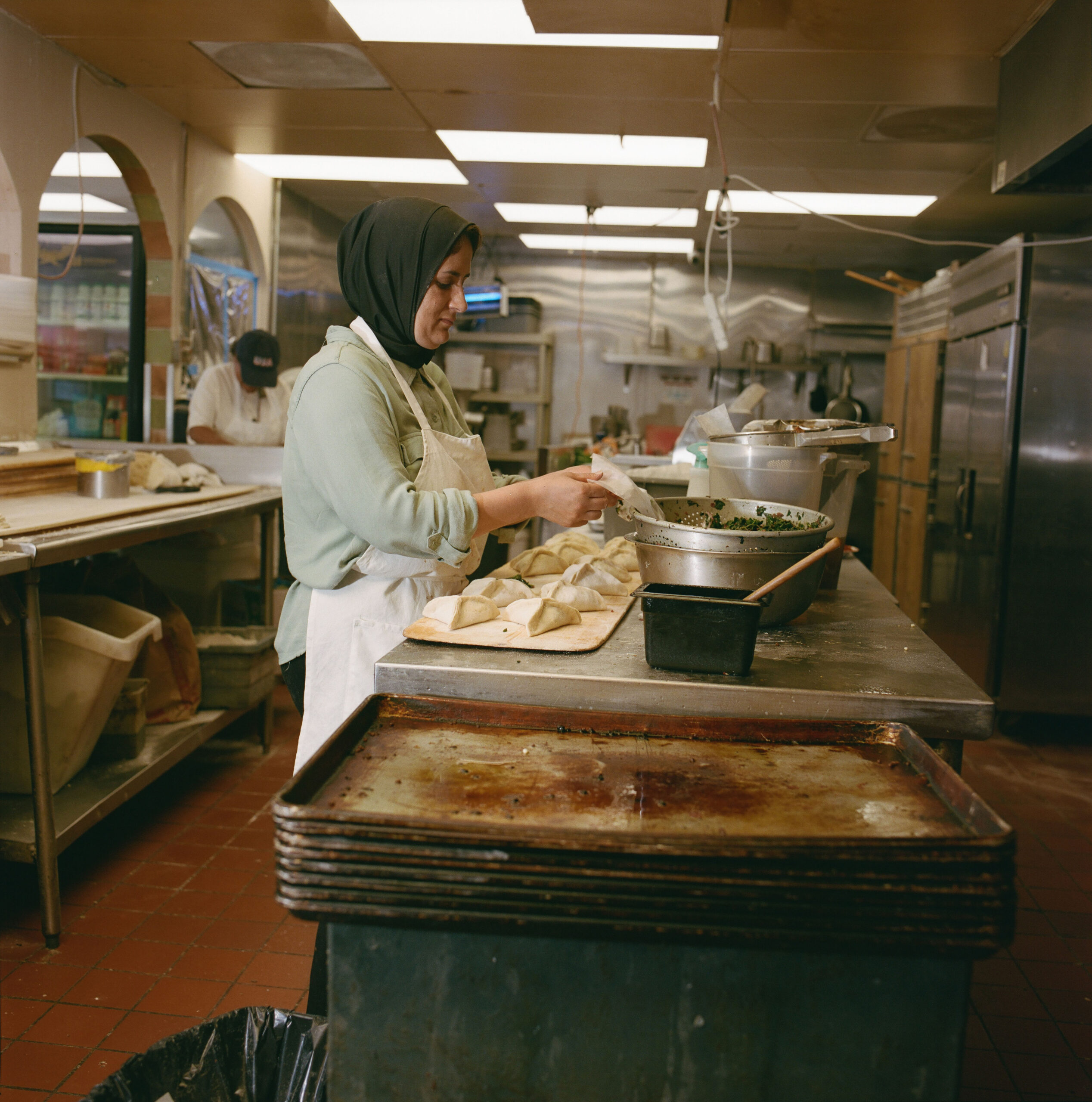
A woman works in the Lebanese restaurant Forn Al Hara in Anaheim.
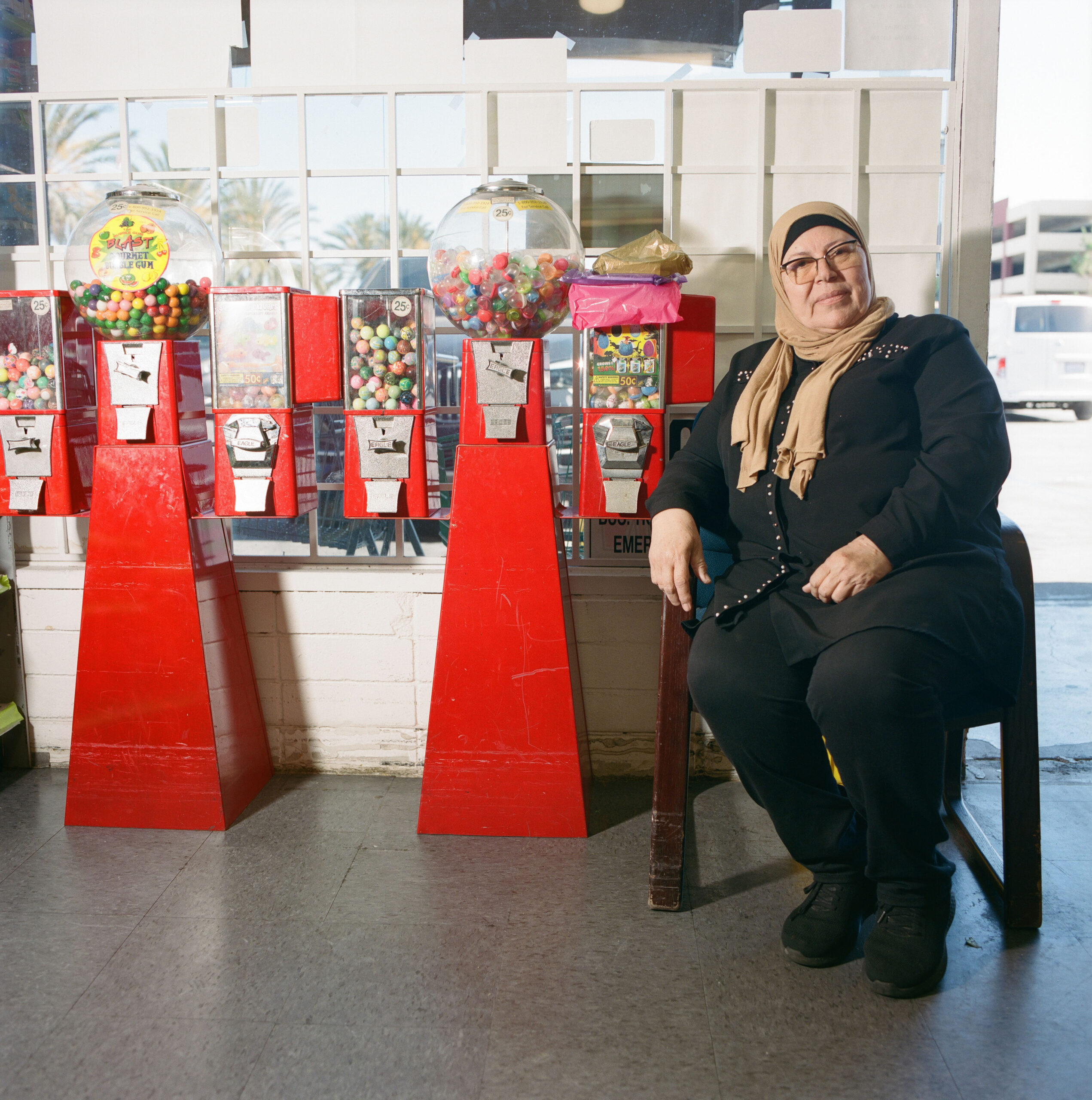
Waikato Wadassi, 67, born in Palestine and the mother of three children, has for 20 years run a grocery store business that takes part in the Women, Infants, and Children program that provides food assistance to low-income women and children under 5. She works 12 to 14 hours a day, and 90% of her customers are Spanish-speaking.
California’s Agricultural Industry
Many of California’s farm laborers are undocumented, and a nationwide immigration crackdown has sent scores of them into hiding. Matt Black’s photography features barren landscapes that were previously nurtured by immigrant farmworkers. These empty spaces illustrate the impact of the Trump administration’s immigration policies on a massive industry and a workforce under threat.
Photos by Matt Black / Magnum Photos for Economic Hardship Reporting Project.
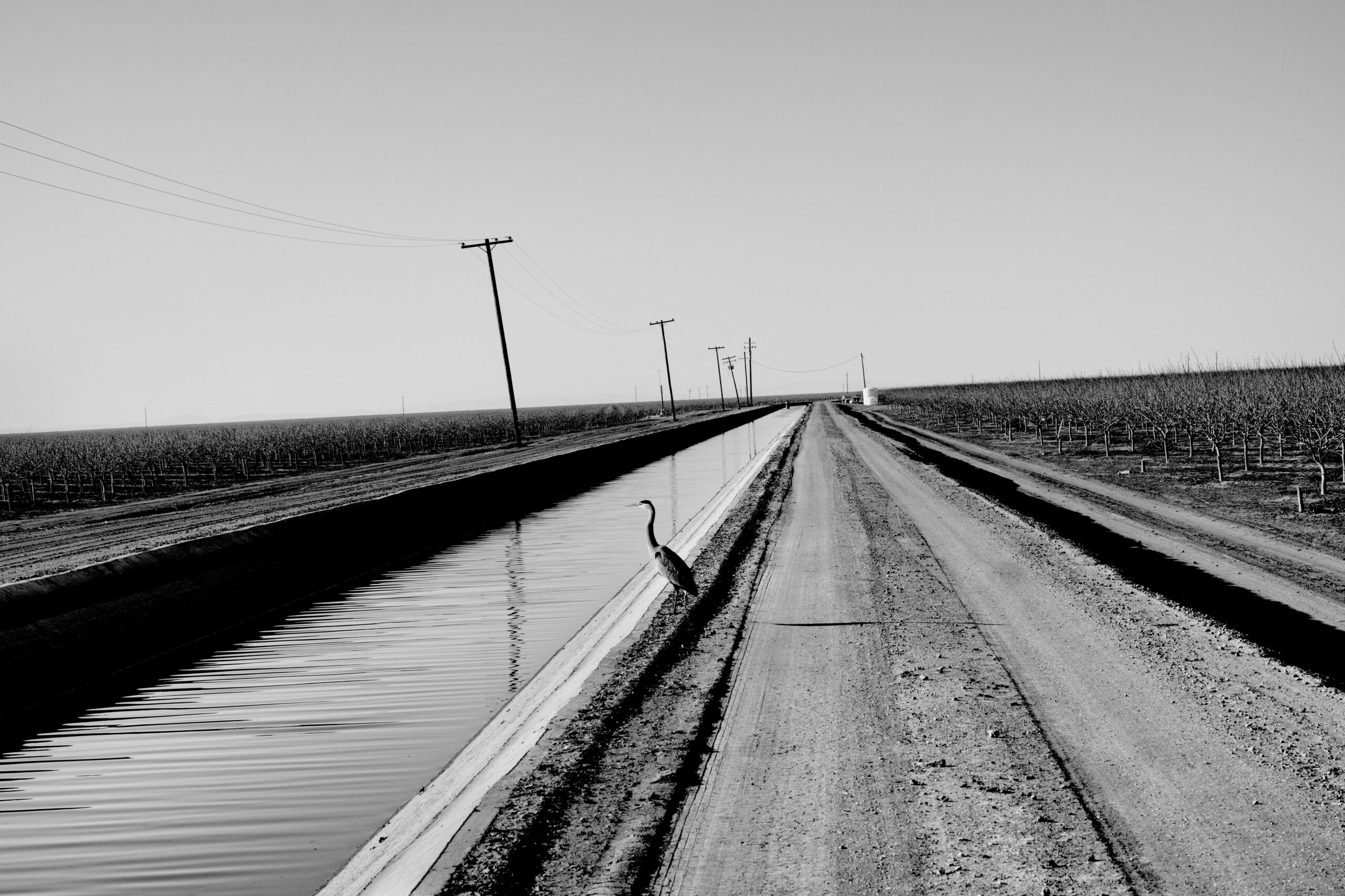
Mendota, California. Following federal immigration raids that targeted Central Valley farmworkers, many employers are concerned with having a sufficient workforce to plant and harvest crops.
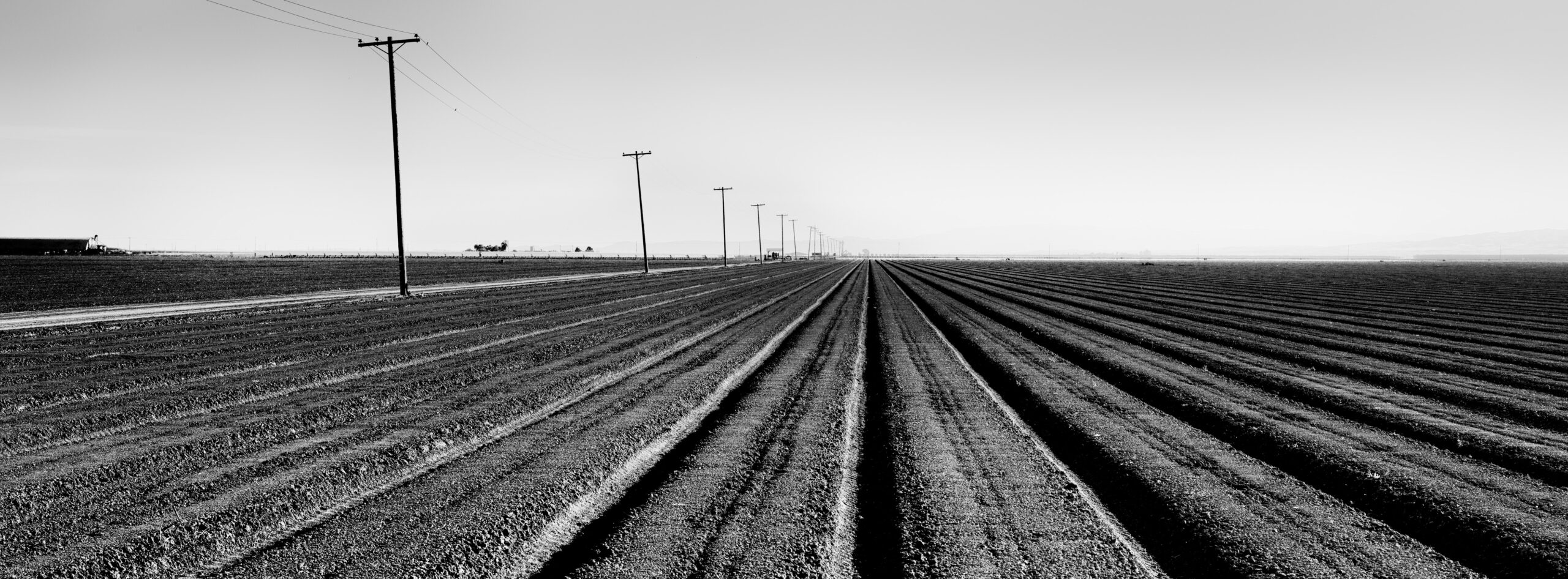
Tomato beds in Mendota. Agriculture remains one of California’s largest industries, generating more than $50 billion each year.
El Cajon: My Family’s Immigration Story
Yael Martinez first traveled from Mexico to El Cajon in San Diego County in 2007. A 21-year-old immigrant with dreams of earning enough money to buy a camera, he went to work for his uncle, José, who had more than 25 years of construction experience. In August 2025, after President Donald Trump’s second term began with a strict immigration policy, the photographer returned to visit his family who remained. He documented the stories of his Mexican migrant family, their lives and labor.
Photos by Yael Martinez / Magnum Photos for Economic Hardship Reporting Project.
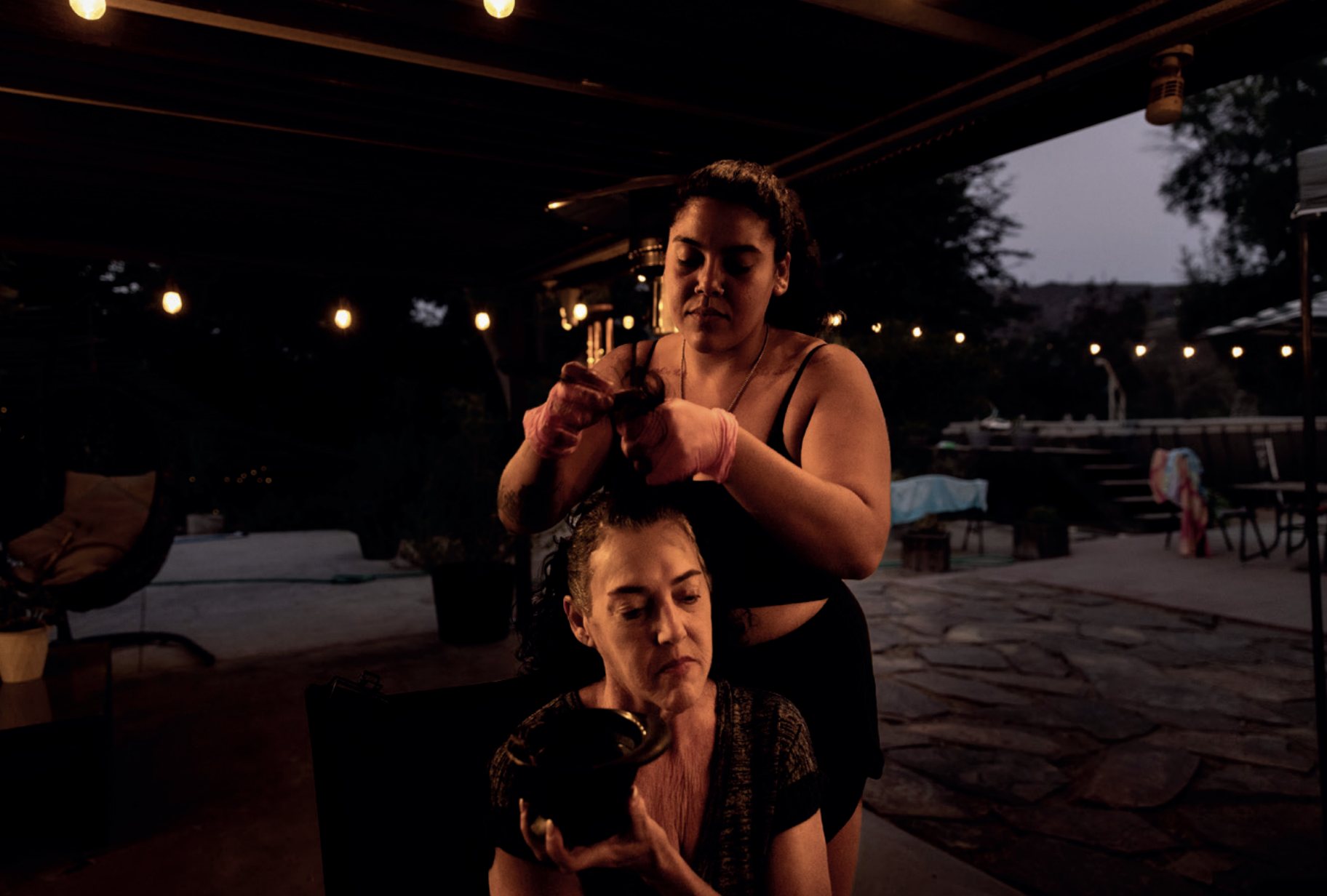
Martínez’s aunt, Mercedes, and cousin, Camila, at home in El Cajon.
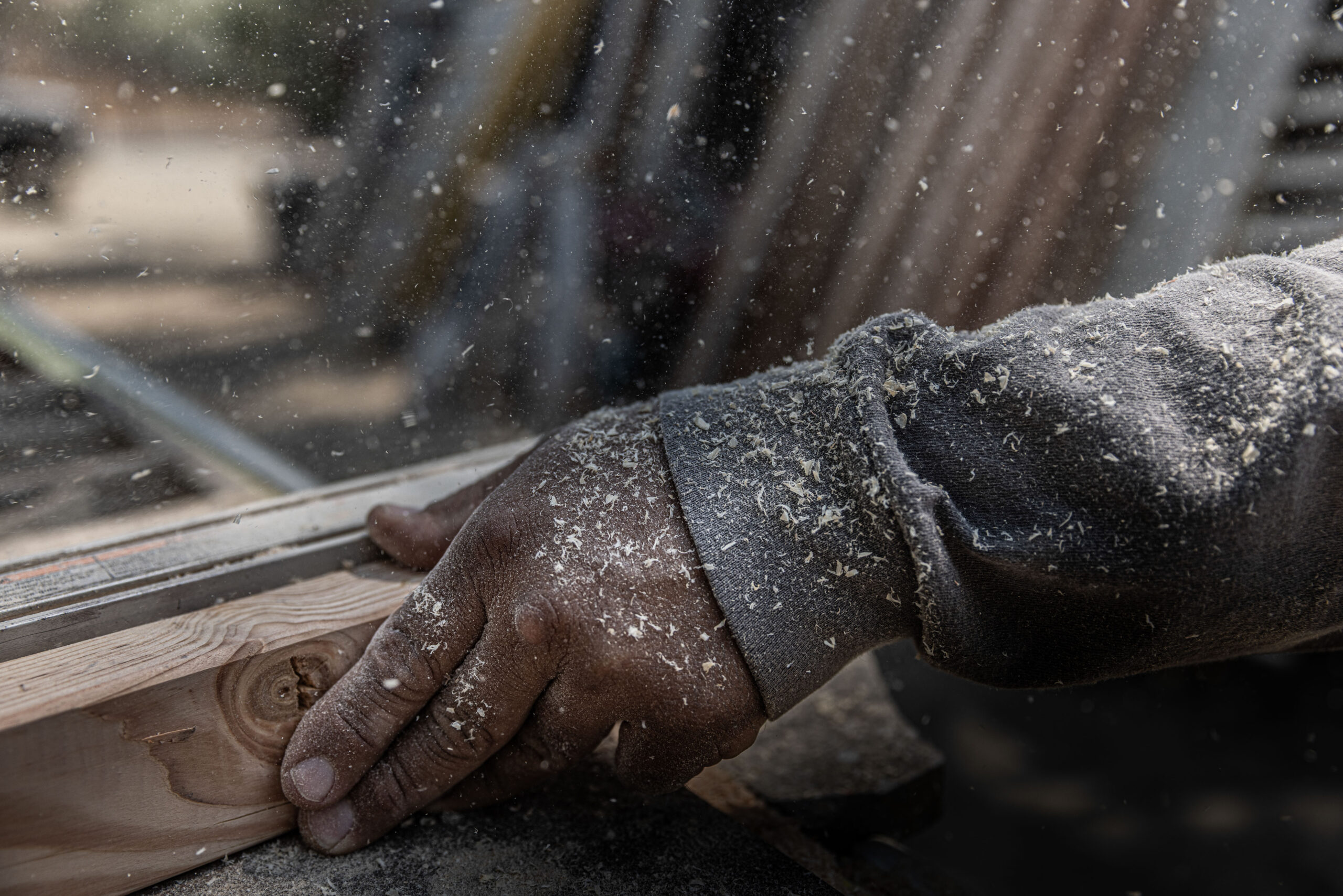
Martínez’s uncle, José Martinez, crafting furniture, doors, and kitchen cabinets at his home in El Cajon.



-
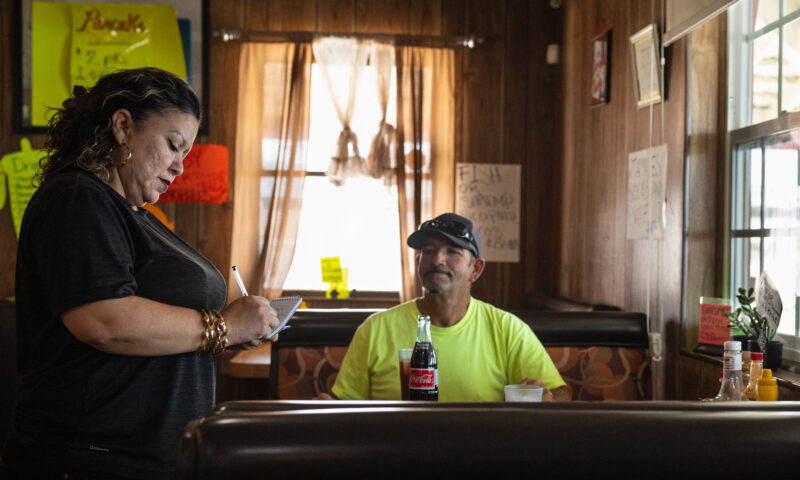
 Imperial DivideJune 3, 2026
California’s Lithium Valley Dreams Meet Reality at the Only Restaurant in Town
-

 Latest NewsJune 1, 2026
Deep Cuts to Civilian Support Staff for Families of Deployed Marines Raise Concerns
-
 Column - State of InequalityJune 4, 2026
California’s Economy Runs on Labor Trump Wants to Deport
-
 Featured VideoJune 5, 2026
At This New Mexico Park, Mountain Bikers Pedal Amid Hundreds of Oil Wells
-
 The SlickJune 10, 2026
Data Centers Are on the Ballot — This Pennsylvania Candidate Won Her Primary Keeping Them Top of Mind
-
 Latest NewsJune 9, 2026
Ousted by the Trump Administration, U.S. Immigrants Remain Locked up in African Kingdom
-
 Latest NewsJune 12, 2026
California Town Lets Private ICE Detention Centers Police Themselves
-

 Latest NewsJune 8, 2026
The Glacier May Be Gone, but the Love Isn’t