
Latest News
As the U.S. Spends Billions Fighting Iran, War-Driven Inflation Hits Working Families Hard
The rising cost of gas and higher utility rates are hurting farmers, ride-sharing workers and consumers from coast to coast.
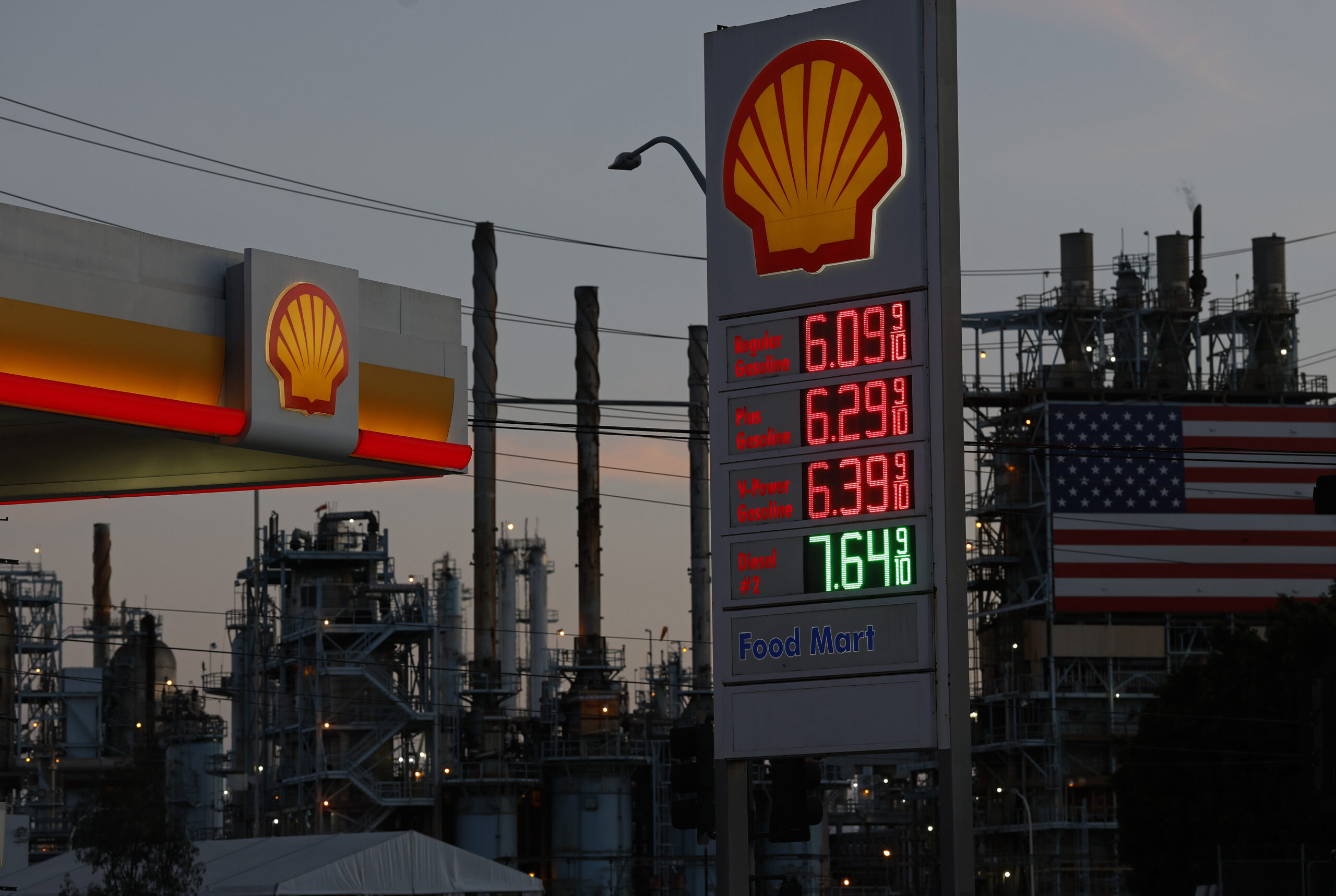

Between the rising cost of gas, higher home heating bills and a rent hike that’s forcing her to change apartments, it’s been a tough month for Liza Ramsey. The mother of three drives for Uber and Lyft in the Atlanta area and said that rising costs due to the Iran war are having a serious effect on her family.
“It’s been a very difficult time,” she told Capital & Main. With gas prices increasing by as much as $1 a gallon, she said the cost to fill up her Volvo XC90 jumped from $60 to $80, and she’s waiting around for rides more often rather than driving to look for customers at popular spots in the city “because I don’t want to burn unnecessary gas.”
Ramsey often discusses these challenges with the more than 300 members of the Southern Gig Driver Council, an alliance of ride-sharing workers in the region that is part of the Southern Workers Assembly network of unions. “Many of them are earning less money, complaining about gas prices, how it’s hurting their net profit,” she said. “They’re looking for other jobs, side gigs.”
Join our email list to get the stories that mainstream news is overlooking.
Sign up for Capital & Main’s newsletter.
On top of those pressures, Ramsey said her home heating bill increased from $300 to $500 in the last month and a half and that she’s moving because her rent jumped $200 a month.
Some inflationary effects were already being felt at the start of the year; the upcoming summer World Cup games in Atlanta have driven up rents in expectation of a crush of fans seeking housing. But Ramsey blamed the war for her current financial struggles.
“They’re out there worrying about another country,” she said. “Well, a lot of people here are suffering — and they’re cutting programs like [Supplemental Nutrition Assistance Program] benefits that help working people.”
The effects of the war — which is costing the U.S. between $500 million to more than $1 billion a day — are being felt throughout the economy, upending the lives of millions of Americans. The initial Consumer Price Index surged 3.3% in March compared to the same time last year. The highest price increases were for energy: Heating oil spiked 30.7%; gasoline jumped 21.2%, and electricity increased about 1% from February to March.
The higher fuel prices are having a huge effect on the economy, according to a new analysis from researchers at Brown University. Since the conflict began on Feb. 28, inflation has so far cost the U.S. economy roughly $27.5 billion, or about $210 per household, according to the analysis by the university’s Climate Solutions Lab.
Other experts calculated a greater effect on consumers. Roger Pielke Jr., a senior fellow at the conservative American Enterprise Institute, estimated that the war has added $410 in monthly expenses per household.
The United Nations’ Food and Agriculture Organization said that increased shipping costs because of fuel price hikes and higher fertilizer prices due to the disruption of traffic through the Strait of Hormuz have boosted food prices around the world. Globally, the price of sugar rose more than 7% since February; vegetable oil prices jumped more than 5%, and wheat prices increased 4.3%, the FAO reported.
These immediate cost increases — such as gas and jet fuel and fertilizer — have very real secondary effects, said Ryan Mulholland, a senior fellow at the Center for American Progress, a liberal think tank. Higher fuel and fertilizer prices affect farmers, he said, “and that drives up the cost of groceries because the cost of producing that food goes up.”
Around 70% of farmers surveyed by the American Farm Bureau Federation between April 3 and April 11 said that they are unable to afford all the fertilizer they need. Since the end of February, the federation estimates that nitrogen prices have increased by more than 30%.
“There has been some discussion and debate over the cost of the war to the federal government. Taxpayers pay that and that’s real money,” Pielke told NPR. “But it turns out that the costs go well beyond that and filter through the economy due to the effects of the war, most visibly on the Strait of Hormuz.”
Reached for comment, White House spokesperson Taylor Rogers emailed the following statement to Capital & Main. “The President was always clear that these were short-term, temporary disruptions that would be resolved through the unprecedented successes of Operation Epic Fury and subsequent ongoing peace talks.
“America remains on a solid economic trajectory — robust private-sector employment growth in the March jobs report shattered expectations and the March CPI inflation report showed that prices of eggs, beef, prescription drugs, dairy, and other household essentials are stable or even falling thanks to the President’s policies. President [Donald] Trump brought oil and gas prices down to multi-year lows at record speed, and as traffic in the Strait of Hormuz normalizes again, these energy prices will plummet once again.”
Even in San Antonio — known as “Military City USA,” with one of the largest populations of military members in the country — residents are outraged over “this hyperdrive to support the war, but the companies that profit from it aren’t companies that benefit our communities,” said Diana Lopez, executive director of Southwest Workers Union.
“The cost of the war is really impacting our families deeply,” Lopez said. “People are having to make these difficult choices between paying for medical care or paying for gas the next few weeks. There’s a lot of fear in our neighborhoods.” She added that many residents are also paying higher utility rates.
Low-income households spend a larger portion of their budgets on gas and food, magnifying the effects of war-driven inflation in those communities, Lopez said.
War-related inflationary effects will last beyond the conflict, Mulholland said, calling it the “Trump war tax.” “Even if the war ends, a lot of these things have a pretty long tail and a negative impact on not just the overall economy but individual family budgets for folks around the country for months to come.”
Higher energy costs have exacerbated an existing crisis. Approximately 21.5 million U.S. households — roughly 1 in 6 — were behind on their energy bills as of June 2025, according to the National Energy Assistance Directors Association.
As energy bills spiral amid the war, the president’s proposed budget for the fiscal year that begins in September would eliminate $4 billion in funding for the Low Income Home Energy Assistance Program, which provides support to approximately 6 million low-income households that rely on the program to help pay heating and cooling costs.
“Low-income families need support now more than ever,” said Mark Wolfe, executive director of the National Energy Assistance Directors Association. “I am deeply disappointed that the Administration is proposing to eliminate [Low Income Home Energy Assistance Program] funding. Families are already struggling with rising energy costs and as gasoline, food, and heating oil prices surge due to the war in Iran, this is absolutely the wrong time to cut energy assistance to some of the poorest families in the nation.”
Copyright 2026 Capital & Main



-

 Imperial DivideJune 3, 2026
California’s Lithium Valley Dreams Meet Reality at the Only Restaurant in Town
-

 Column - State of InequalityJune 4, 2026
California’s Economy Runs on Labor Trump Wants to Deport
-

 Featured VideoJune 5, 2026
At This New Mexico Park, Mountain Bikers Pedal Amid Hundreds of Oil Wells
-
 Latest NewsJune 9, 2026
Ousted by the Trump Administration, U.S. Immigrants Remain Locked up in African Kingdom
-
 The SlickJune 10, 2026
Data Centers Are on the Ballot — This Pennsylvania Candidate Won Her Primary Keeping Them Top of Mind
-

 Latest NewsJune 8, 2026
The Glacier May Be Gone, but the Love Isn’t
-

 Latest NewsJune 12, 2026
California Town Lets Private ICE Detention Centers Police Themselves
-

 Column - State of InequalityJune 11, 2026
County Tax Measures Show Limits of Local Responses to Medicaid Cuts