Latest News
Editor’s Picks: Capital & Main’s Standout Stories of 2025
A selection of some of our most memorable, revealing and impactful journalism of the year.

There was no shortage of urgent issues for Capital & Main’s journalists to dig into this year, from the Trump administration’s radical reshaping of government, the climate crisis and historic wildfires, sweeping immigration raids and an array of threats to workers, public health, democracy and civil rights. Here is a look back at some of the standout stories, investigations, columns and projects we published in 2025.
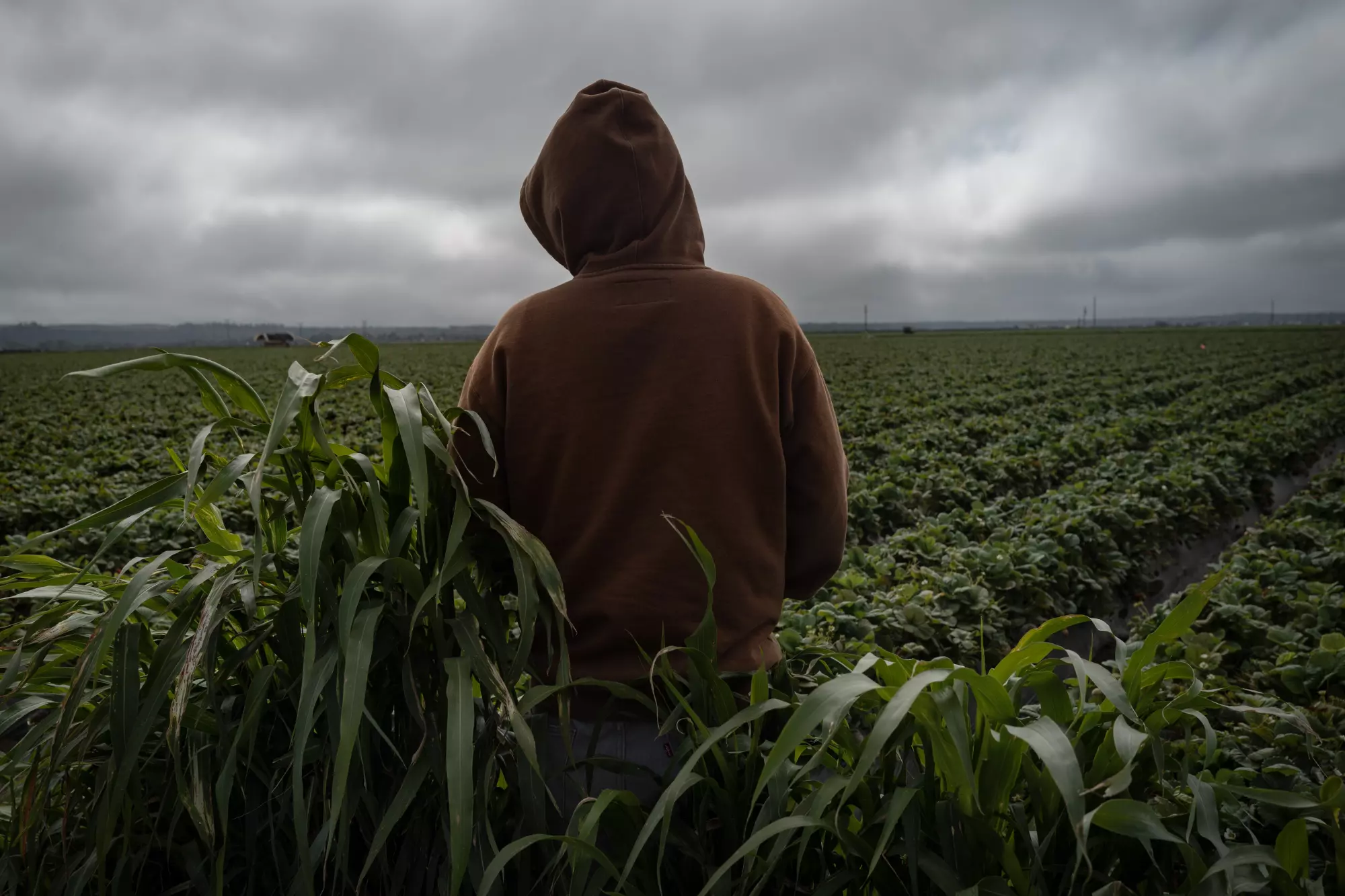
Photo: Barbara Davidson.
California’s Failure to Protect Child Farmworkers
A two-part investigation by Robert J. Lopez showed California is failing to protect underage farmworkers who labor in harsh conditions to provide Americans with fresh fruit and vegetables while being exposed to toxic pesticides and dangerous heat. This project featured unforgettable photos by Barbara Davidson.

Photo: Barbara Davidson.
How L.A. Landlords Exclude Section 8 Tenants, Despite Anti-Discrimination Laws
In this multipart investigation of some of the biggest landlords in Los Angeles, Robin Urevich revealed apparent widespread violations of fair-housing laws that are supposed to prevent discrimination against low-income tenants who rely on rental assistance.

Photo: Jeremy Lindenfeld.
Trans Student Athlete AB Hernandez Finds Supporters – and Hecklers – In a Town That Elected Trump
Cerise Castle’s powerful reporting on the campaign to ban transgender student athletes dug deep into the experiences of Jurupa Valley High School’s AB Hernandez, her family, community and the harassment she faced from adult hecklers and even President Trump.
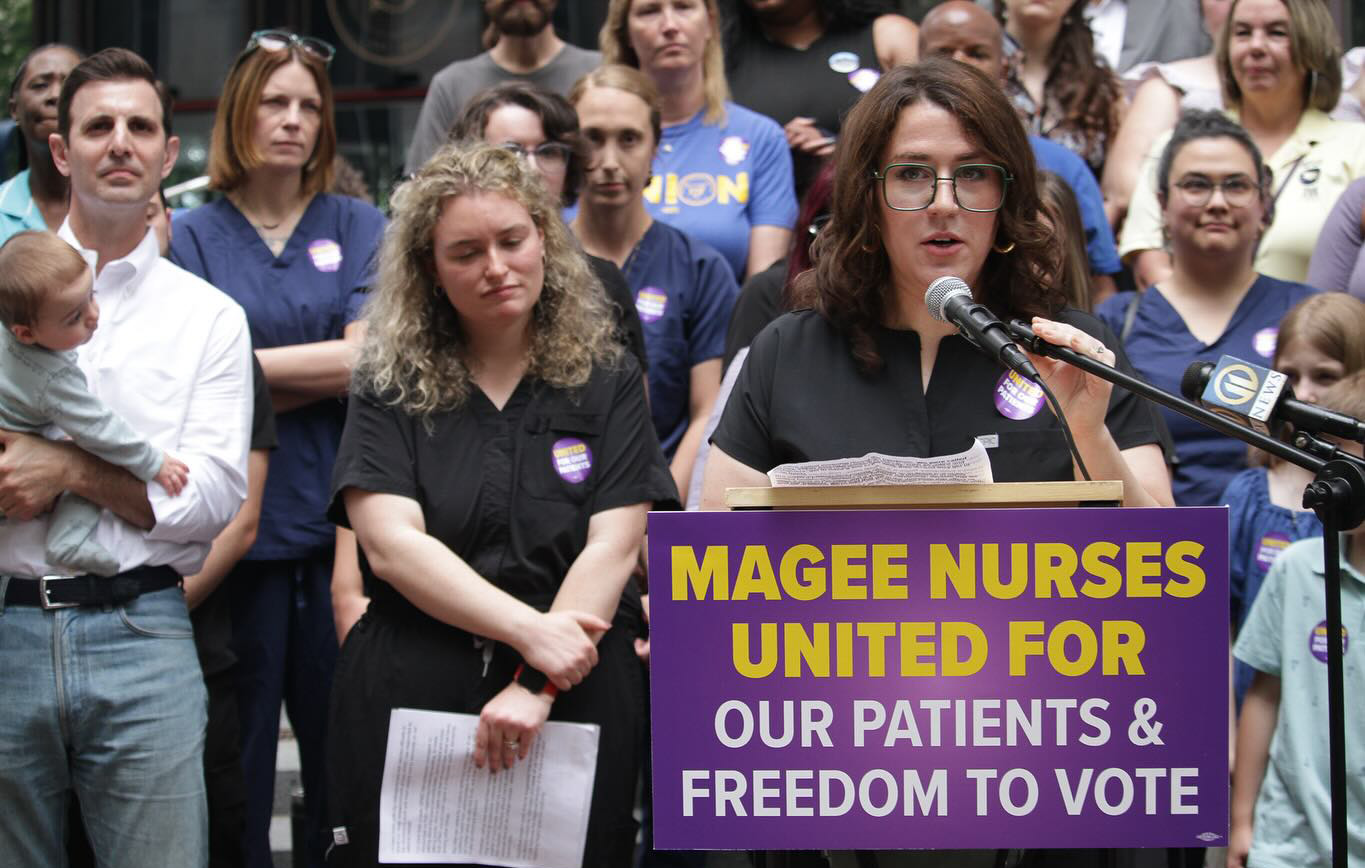
Photo courtesy SEIU Healthcare Pennsylvania.
Nurses Move to Join Union, Despite Trump’s Delays at Labor Board
Kalena Thomhave reported on Pennsylvania nurses’ efforts to get a union election despite a National Labor Relations Board that’s been stalled by Trump. Her coverage was among more than 20 stories we published this year as part of Striking Back, our national reporting initiative exploring some of the most innovative, high-stakes worker organizing campaigns in the country.
Photos: Jerry Redfern.
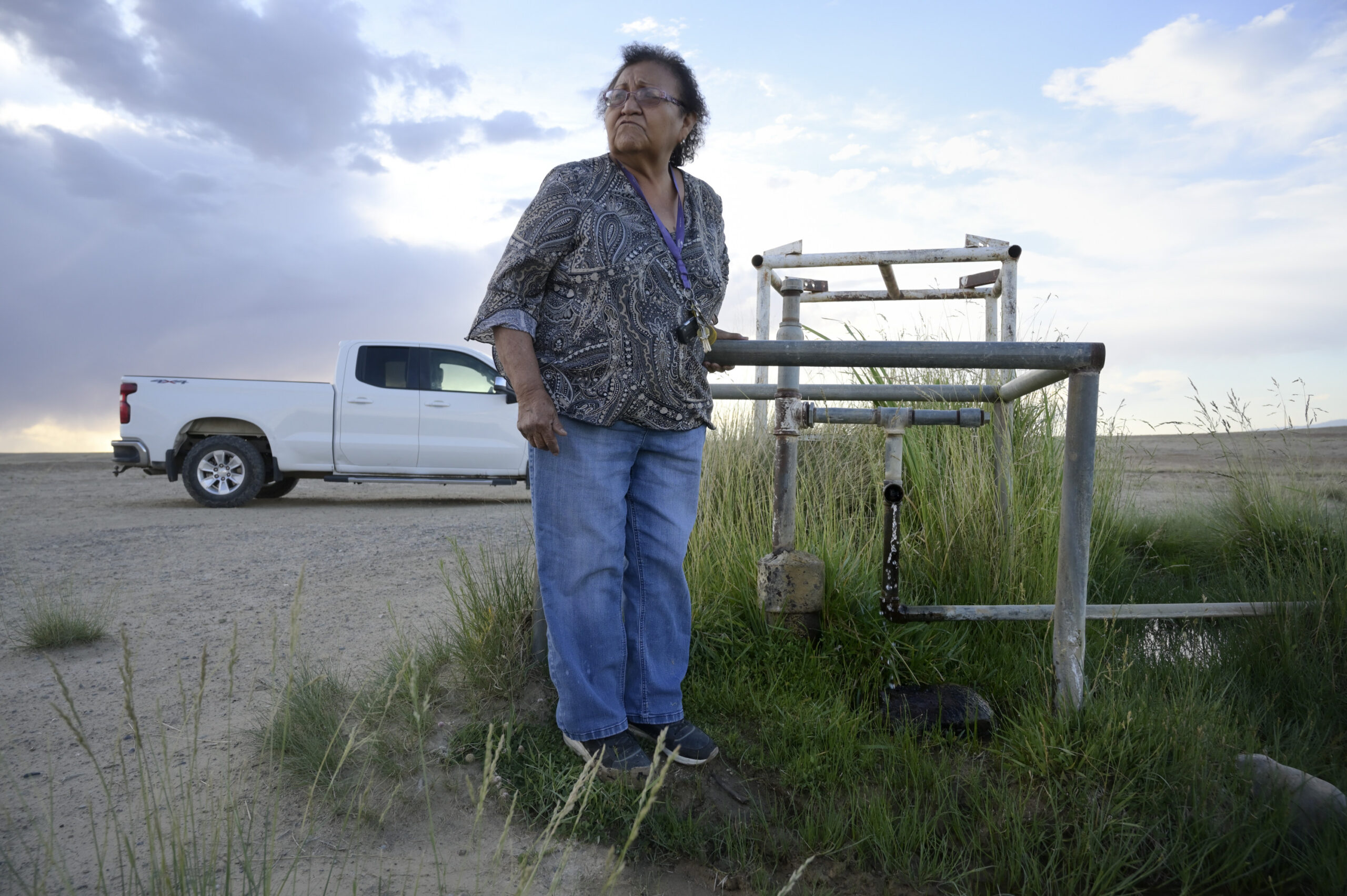
Federal Officials’ Inaction in Cleaning Up Water Contamination on the Navajo Nation
Jerry Redfern reported on dozens of old oil wells on the Navajo Nation that continue to spew contaminated water years after U.S. Environmental Protection Agency tests found levels of benzene and other contaminants that violated federal health standards.
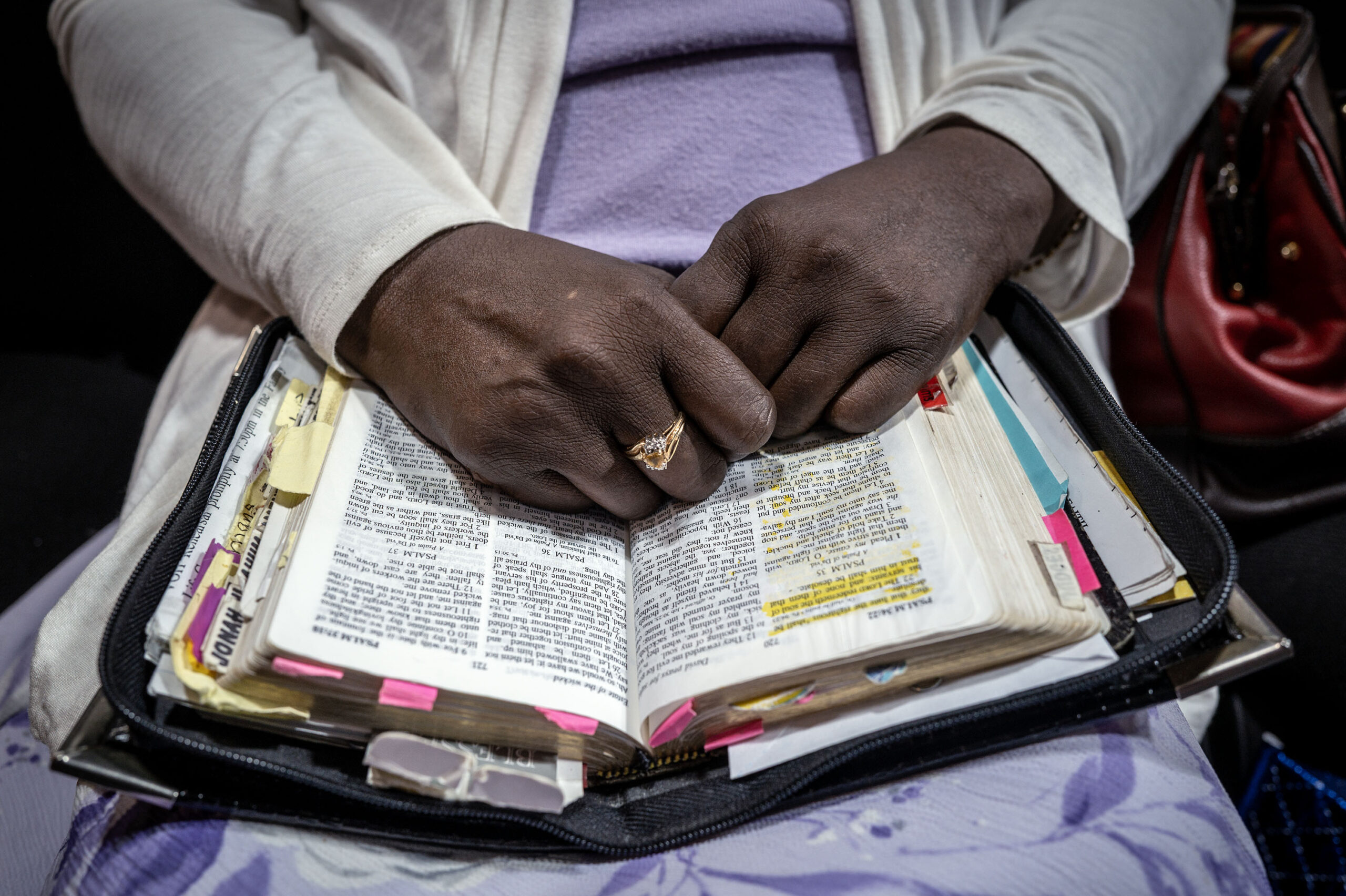
Photo: Barbara Davidson.
The Road to Rebuilding a Congregation in Fire-Ravaged Altadena
Jessica Goodheart told the story of husband-and-wife Pastors LaKeith and Jerice Kenebrew, and how their efforts to rebuild their ministry after the devastating Eaton fire reveal the fragile future of a historically Black Southern California community.
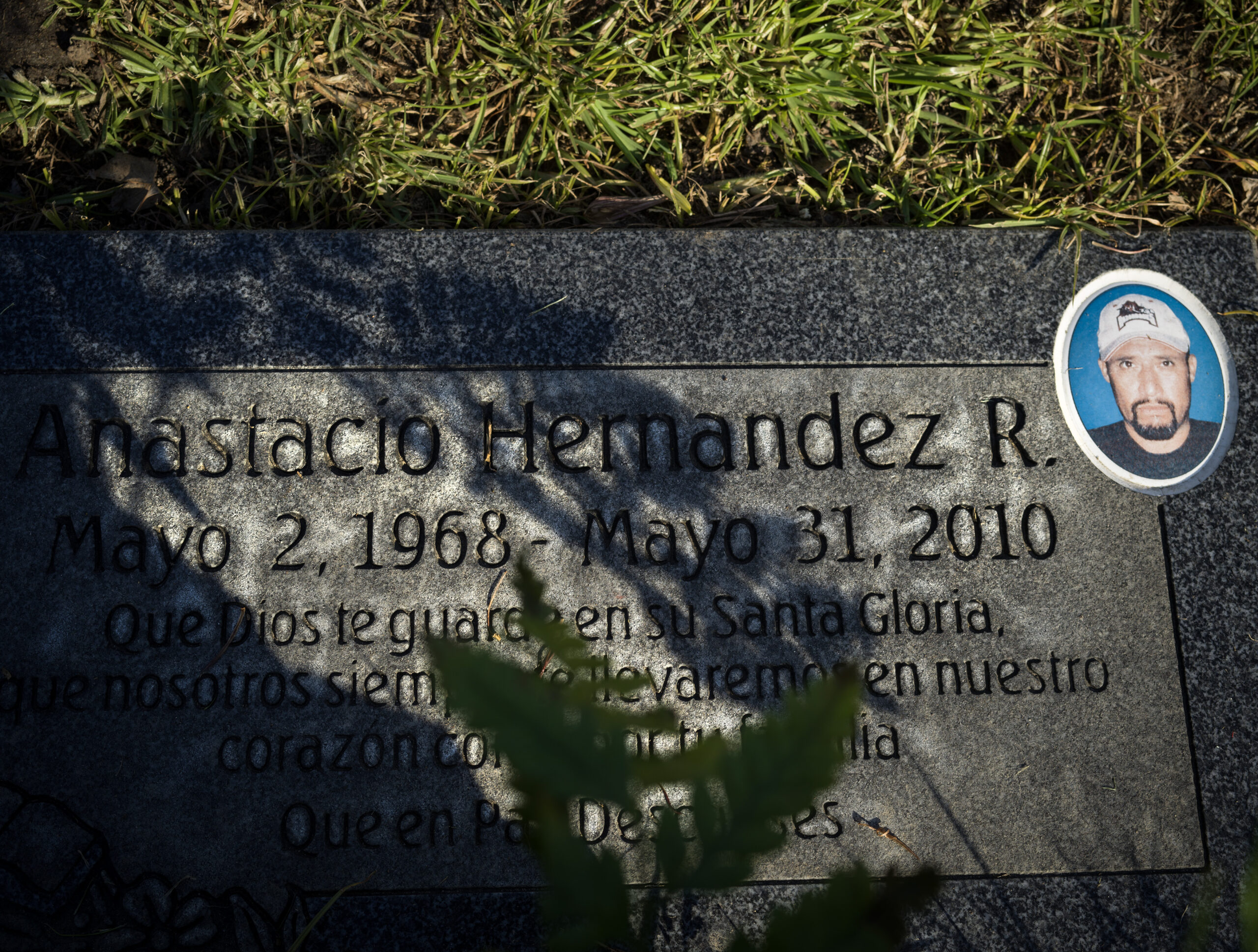
Photo: Barbara Davidson.
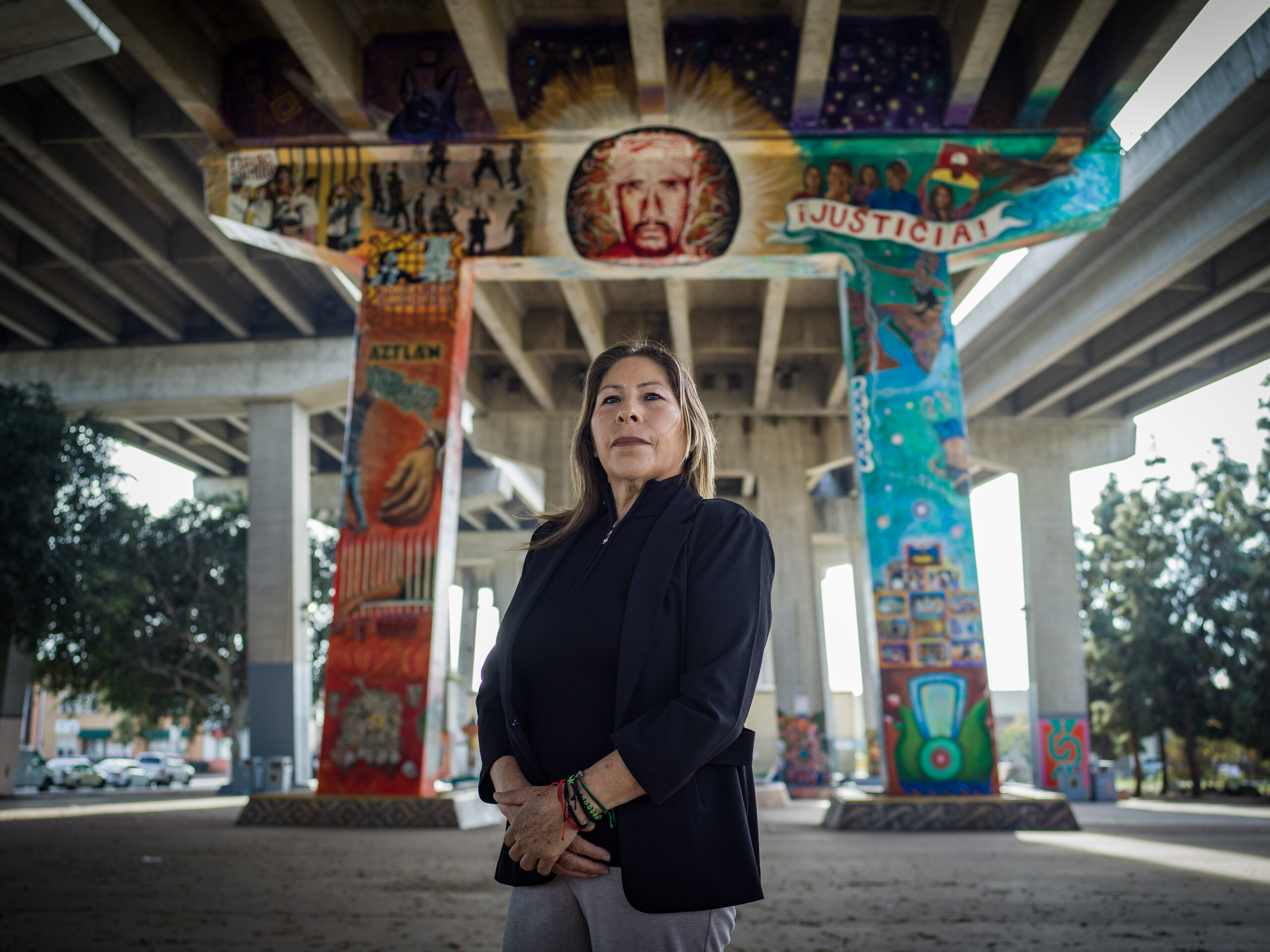
A Search for Justice in an Immigrant’s Killing Leads to Condemnation of U.S. Border Officials
Kate Morrissey reported on the search for justice in the killing of Anastasio Hernández Rojas, including the ruling in a landmark case by an international human rights commission that found U.S. border officials were responsible for his death and torture.

Photo: Audrey Carleton.
The Little Town That Stood Up to Big Oil
Audrey Carleton chronicled how the small Pennsylvania town of Cecil pushed the fracking industry away from their homes and schools, even as similar statewide efforts have failed.

Illustration: Tevy Khou.
A Bump In the Road to Racial Justice
Erin Aubry Kaplan tackled the barriers to racial justice and the Black experience in her column The Arc, including a deeply personal piece on what Trump’s firings of highly qualified Black officials means to her, and what the president’s scorched-earth anti-DEI campaign says about our country.
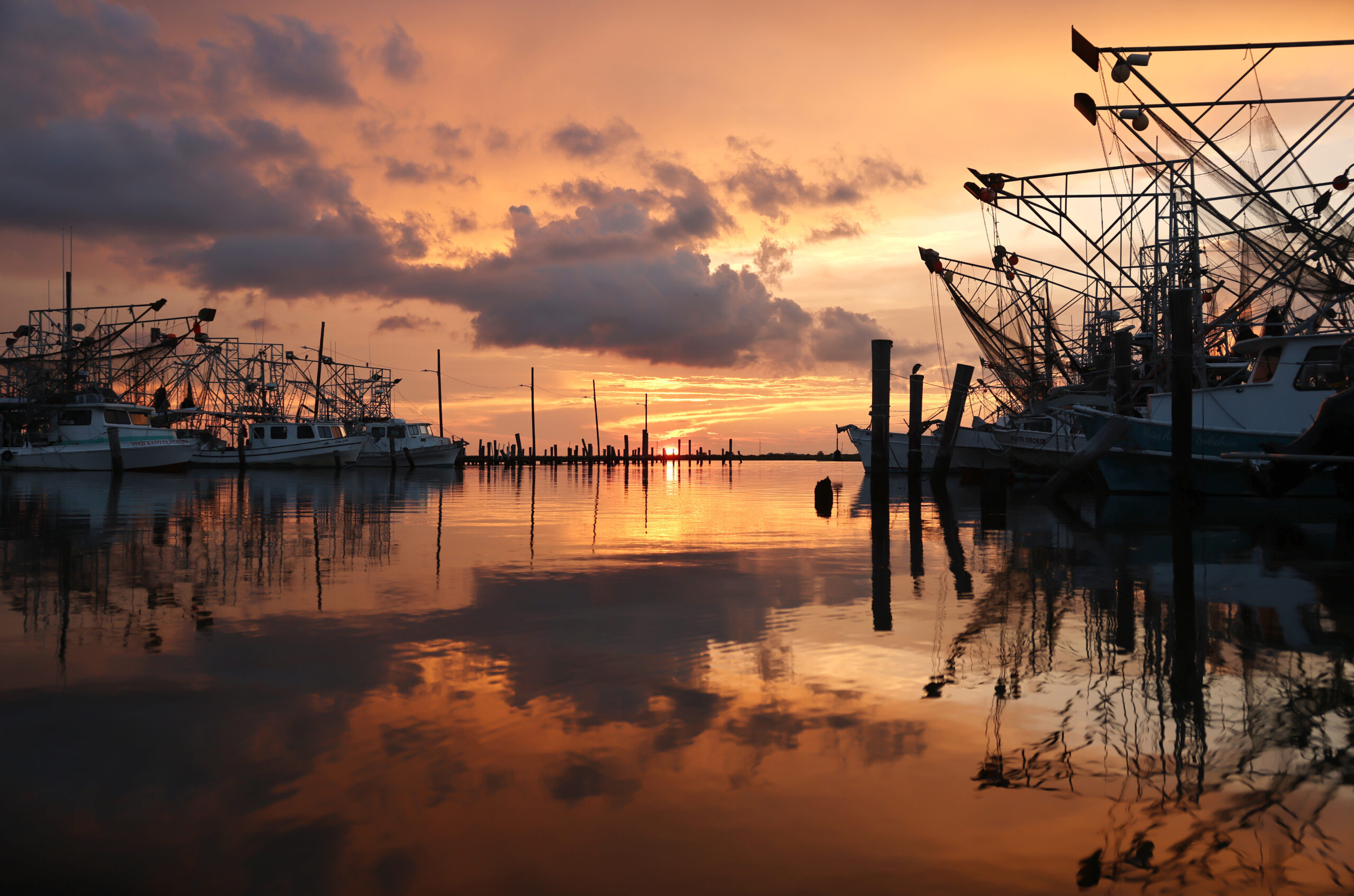
Photo: Mario Tama/Getty Images.
On Louisiana’s Gulf Coast, Residents Fume as Insurers Hike Rates and Invest in Fossil Fuel Projects
Marcus Baram reported on the perfect storm of climate change, expanding oil and gas production, and costly homeowners insurance that is devastating residents of coastal Louisiana and other states. The coverage is part of our ongoing series Dirty Money, which examines the growing intersection between big insurance companies, fossil fuels, climate change and the housing crisis.
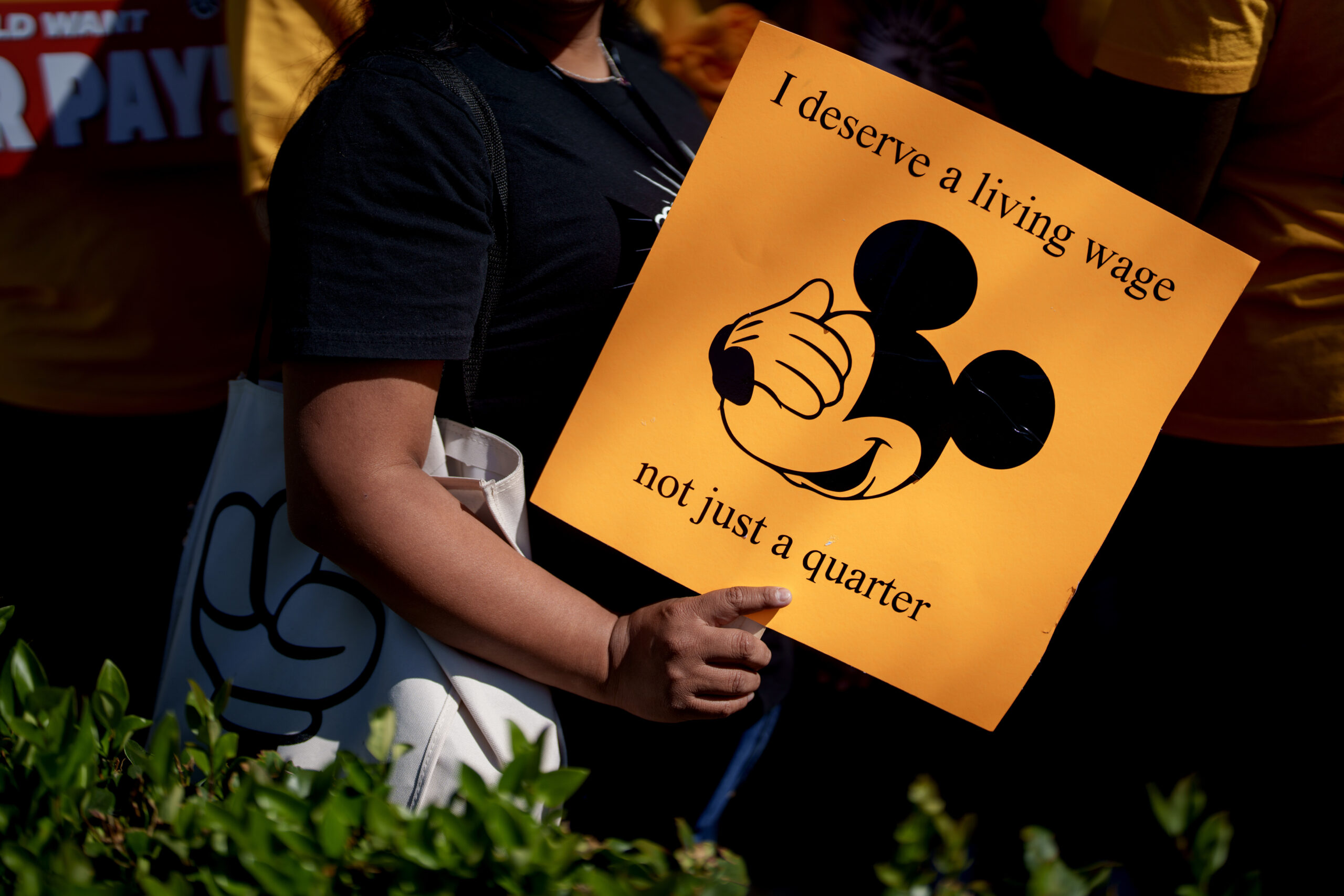
Photo: Eric Thayer/Bloomberg via Getty Images.
Disney’s Massive Payout in a Union-Led Push for a Living Wage
Mark Kreidler wrote about the significance of a $233 million settlement between the Walt Disney Co. and more than 50,000 Disneyland workers who for years were paid less than they should have been. It was one of dozens of timely and thought-provoking columns Kreidler penned this year in our weekly State of Inequality series.
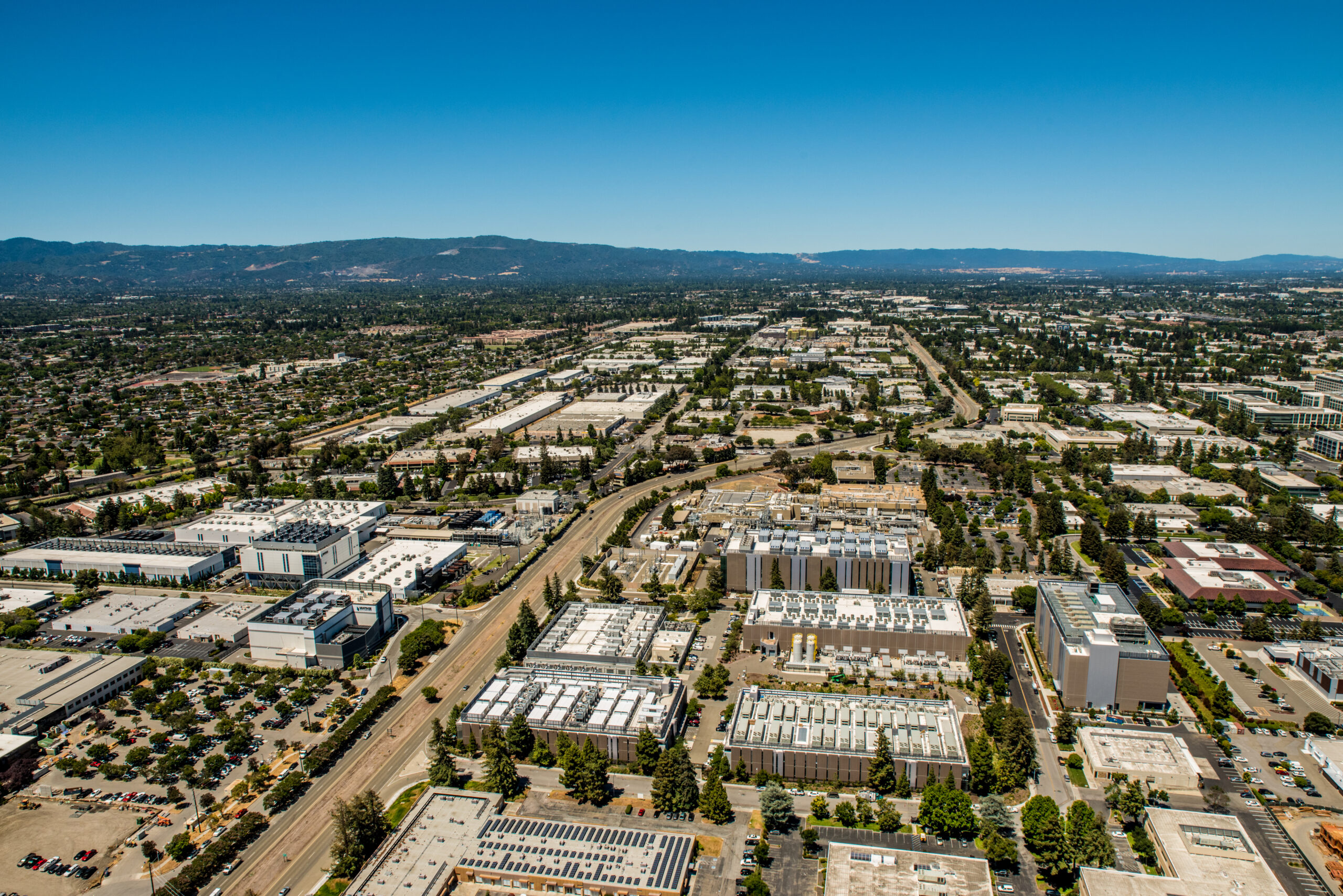
Photo: Steve Proehl/Getty Images.
AI, Data Centers and Dirty Energy
Aaron Cantú covered growing concerns about data centers increasing fossil fuel emissions in California, including the use of a shortcut in the state’s power plant regulations to construct facilities that will use enormous amounts of energy with limited public input.
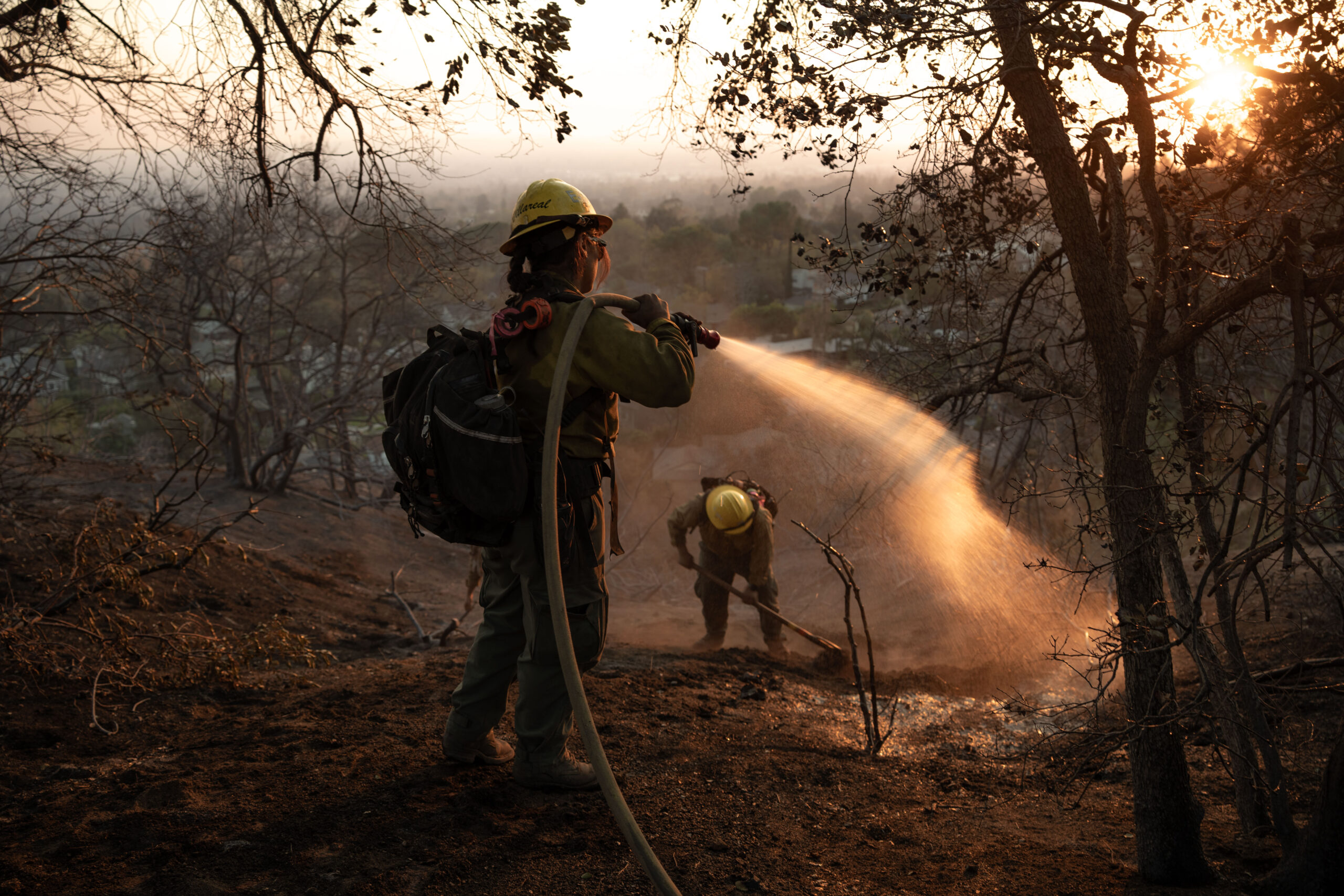
Photo: Jeremy Lindenfeld.
Morale Craters as Federal Cuts Stretch Firefighters’ Responsibilities
Jeremy Lindenfeld reported on cratering morale among firefighters in the U.S. Forest Service as mass layoffs and deferred resignations have forced them to take on new responsibilities like mowing lawns and cleaning toilets instead of focusing on fire suppression. His coverage was part of a five-part series that examined how President Trump’s policies, from immigration raids to trade wars, are straining workers and the economy.
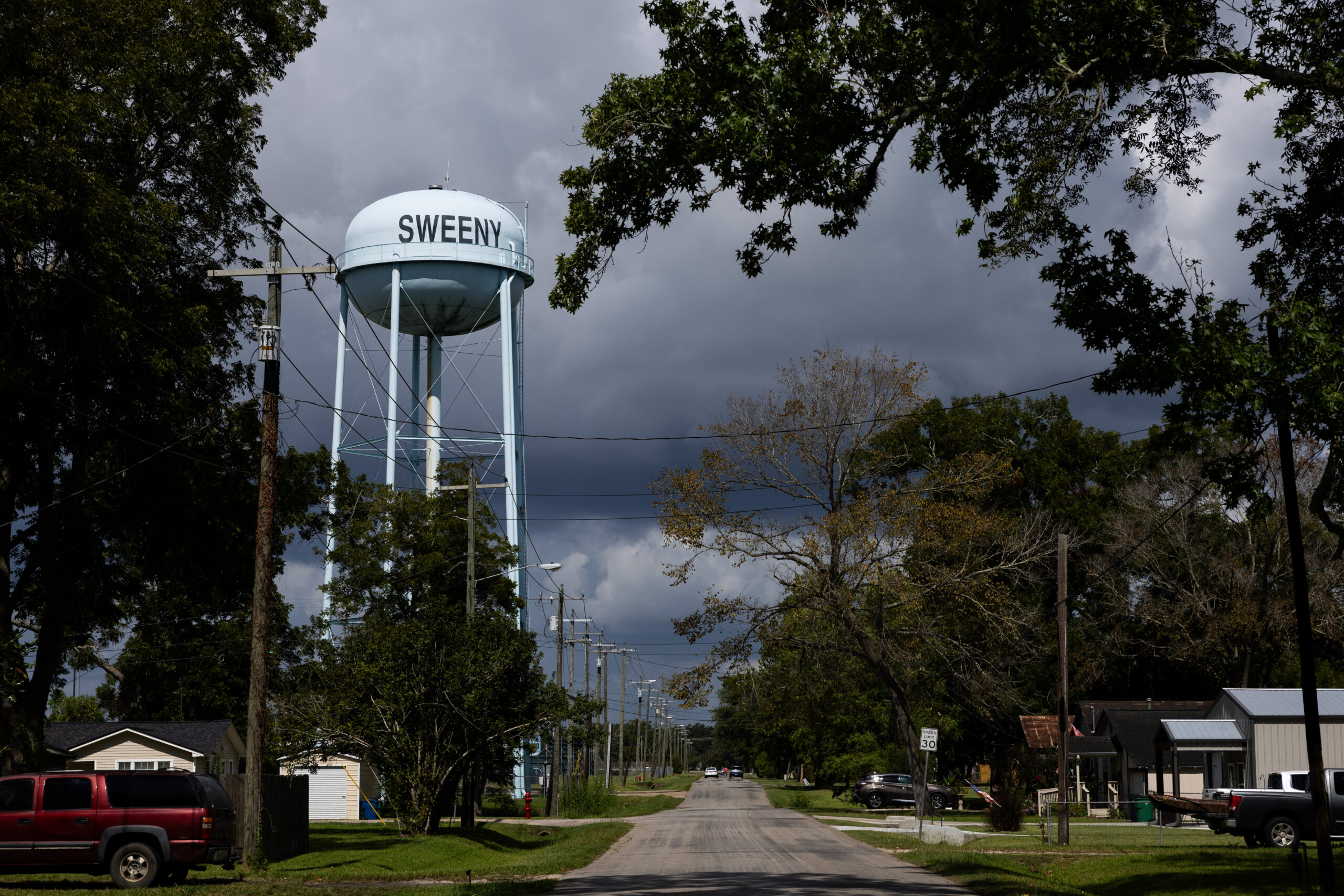
Photo: Antranik Tavitian.
It’s Brown and It Burns. In This Small Texas Town, Clean Water Is Elusive.
Elena Bruess investigated the barriers to clean water in Sweeny, Texas, where brown, and sometimes foul-smelling, drinking water flows from the taps. Her reporting found that many other communities plagued by climate-driven weather extremes like Sweeny aren’t getting the funding they need to improve their water quality.
Copyright 2025 Capital & Main



-
 Featured VideoJune 5, 2026
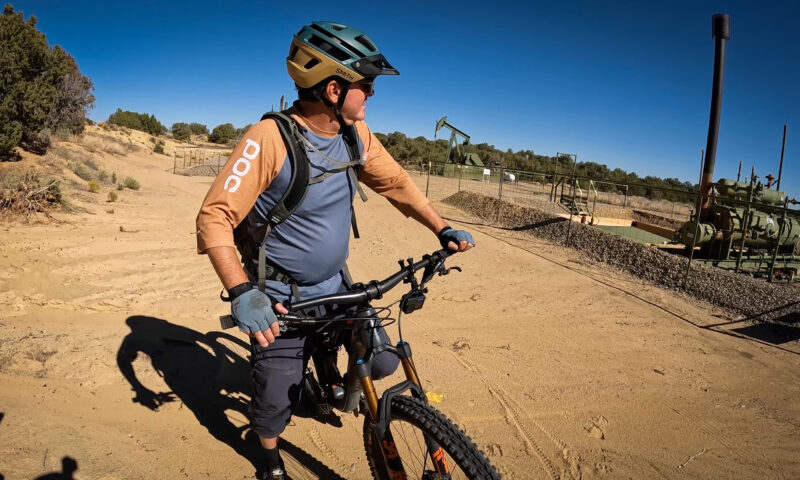
At This New Mexico Park, Mountain Bikers Pedal Amid Hundreds of Oil Wells
-
 Latest NewsJune 9, 2026
Ousted by the Trump Administration, U.S. Immigrants Remain Locked up in African Kingdom
-
 The SlickJune 10, 2026
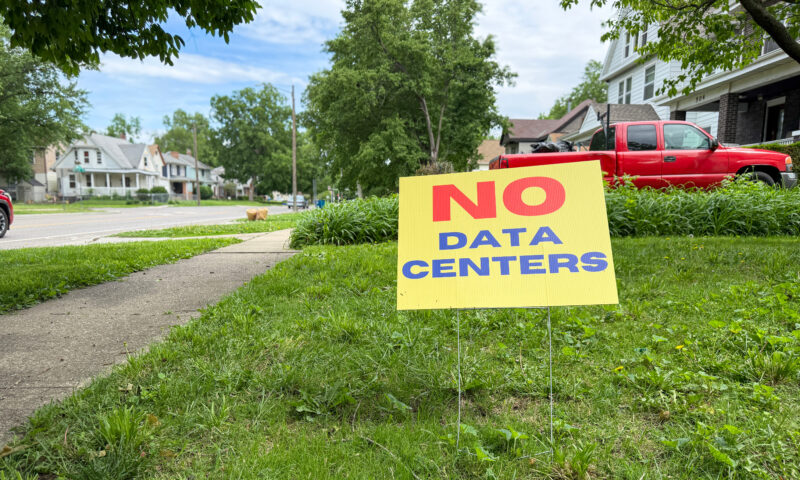
Data Centers Are on the Ballot — This Pennsylvania Candidate Won Her Primary Keeping Them Top of Mind
-
 Latest NewsJune 12, 2026
California Town Lets Private ICE Detention Centers Police Themselves
-
 Latest NewsJune 8, 2026
The Glacier May Be Gone, but the Love Isn’t
-
 Column - State of InequalityJune 11, 2026
County Tax Measures Show Limits of Local Responses to Medicaid Cuts
-
 The SlickJune 16, 2026
Why Coal Will Lead to More Deaths in Colorado
-
 Latest NewsJune 17, 2026
California Rideshare Drivers Move Toward Unionizing, Following Massachusetts