Environment
Billboards Coming to National Parks?
The Grand Canyon, brought to you by Budweiser. Verizon signs throughout Yellowstone. The thought of advertising in our national parks is nauseating. But it could happen.

The Grand Canyon, brought to you by Budweiser. Verizon signs throughout Yellowstone. The thought of advertising in our national parks is nauseating. But it could happen.
Earlier this month, the National Park Service released a proposed plan to begin aggressively seeking private sponsorship for park projects to make up for dwindling public funding. Park leaders would be encouraged to spend official time soliciting donations from individuals and corporations. Anything from sponsoring a bench to designing, building and even operating a park building would be allowed.
The plan stirs up a fundamental debate about our public goods—what they are, who owns them, and how they should be managed.
On one side, private interests are vying to influence and control America’s untapped public space and resources. Like Coca Cola, which in 2011 tried to halt a planned ban on the sale of plastic water bottles in Grand Canyon National Park. The company owns Dasani, the most popular U.S. brand of bottled water, and considered the ban a hit to its bottom line. The National Park Service’s new proposed plan would allow even more private influence on policies and decisions to protect our public resources.
On the other side, communities across the country are standing up to corporations that want to control and profit off of the things we own in common. Just two weeks ago, after an eight-year fight, a coalition of advocates in Oregon blocked the multinational corporation Nestlé from bottling water from the Columbia River Gorge. The coalition’s unprecedented county ballot measure that bans all commercial water bottling passed by 69 percent and paves the way for other communities looking to protect public resources.
Our public parks and resources allow everyone—from working families to the wealthiest—to enjoy and experience nature and live healthy lives. Things we hold in common—parks, public buildings, public resources—are a big part of what makes a society. They need protection and more public investment, not private influence.

-
 Column - State of InequalityMay 21, 2026
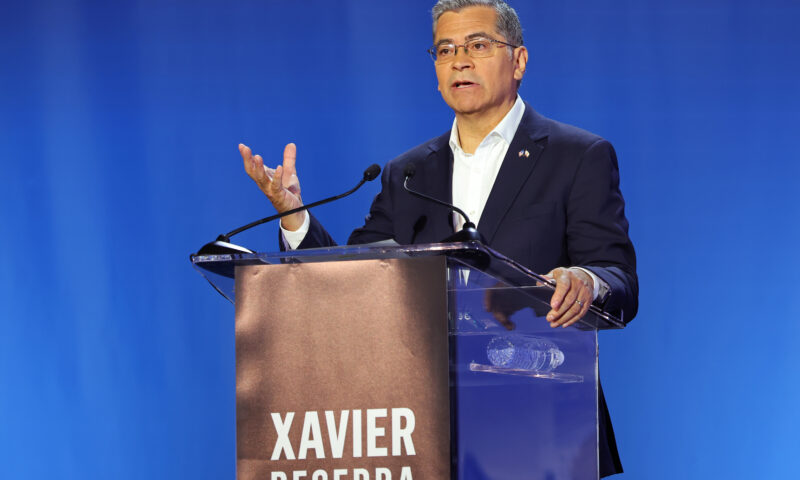
In California Governor’s Race, Xavier Becerra Walks Away From Single-Payer
-
 Latest NewsMay 22, 2026
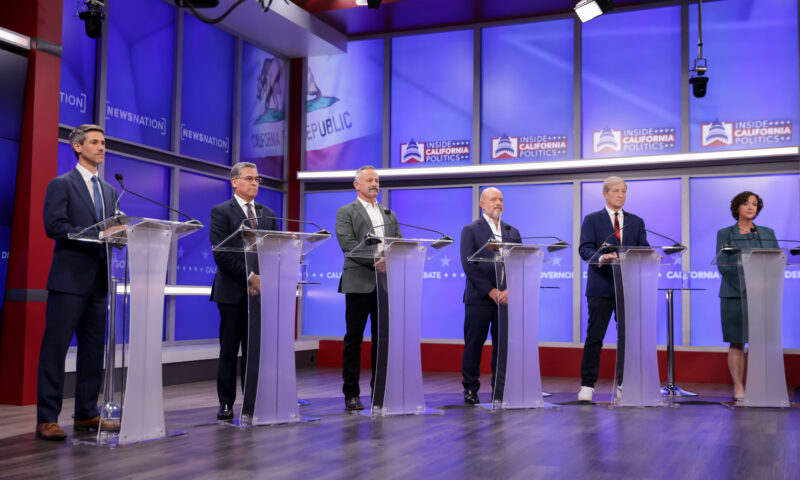
Where California’s Gubernatorial Candidates Stand on Climate and Taking Big Oil Money
-
 The SlickMay 20, 2026
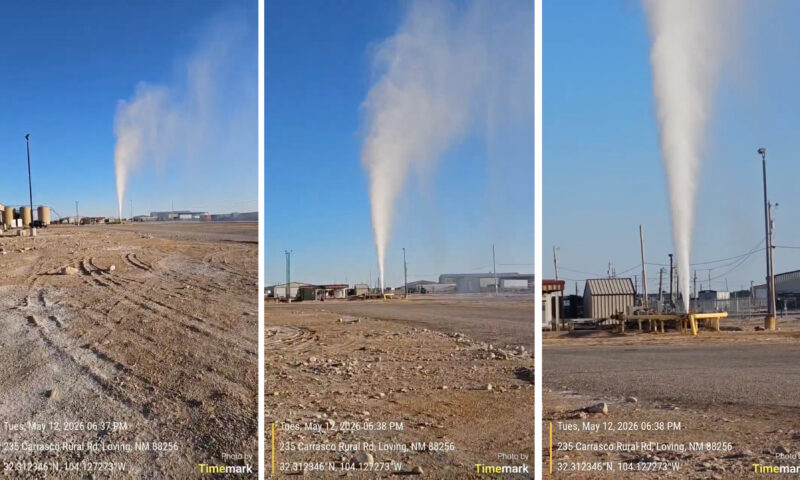
70-Foot Wastewater Geyser Reflects New Mexico’s Latest Oilfield Challenge
-
 The SlickMay 29, 2026
Feds to Open Tens of Thousands of Acres of Colorado Wilderness to Oil Drilling
-
 Latest NewsMay 18, 2026
Budget Cuts Threaten Program That Doubles Food Dollars for Californians in Need
-
 Deadly Dust: The Silicosis EpidemicMay 27, 2026
California Moves to Ban Quartz Countertop Fabrication to Combat Silicosis Epidemic
-
 Latest NewsMay 26, 2026
Conditions at California ICE Detention Centers Are Getting Worse, Inspections Find
-
 Imperial DivideJune 3, 2026
California’s Lithium Valley Dreams Meet Reality at the Only Restaurant in Town