Latest News
Where California’s Gubernatorial Candidates Stand on Climate and Taking Big Oil Money
While frontrunners Steyer and Becerra slug it out, they’re clashing over their commitment to clean energy.


The number of liberal Democrats across the country who consider global warming an important issue has dropped in the most recent election cycles, from 82% in 2020 to 65% in 2025, according to polling by Yale University and George Mason University. But not in California, where a 2025 survey by the Public Policy Institute of California found that eight in 10 adults consider climate change to be a very serious (46%) or somewhat serious (34%) threat to the state’s future economy and quality of life. The issue has become one of the dominant topics in the fiercely contested gubernatorial primary, with Democratic candidates touting their commitment to clean energy and condemning each other for ties to the fossil fuel industry.
So far, the Democratic frontrunners — billionaire Tom Steyer and former state Attorney General Xavier Becerra — have vigorously clashed, largely over their commitment to clean energy and their ties to the fossil fuel industry. Steyer is trying to make Becerra’s oil money a defining issue, while Becerra is betting that his overall record holds up to scrutiny.
Here’s a summary of where the candidates stand on climate, and what we know about their oil and gas ties:
DEMOCRATS
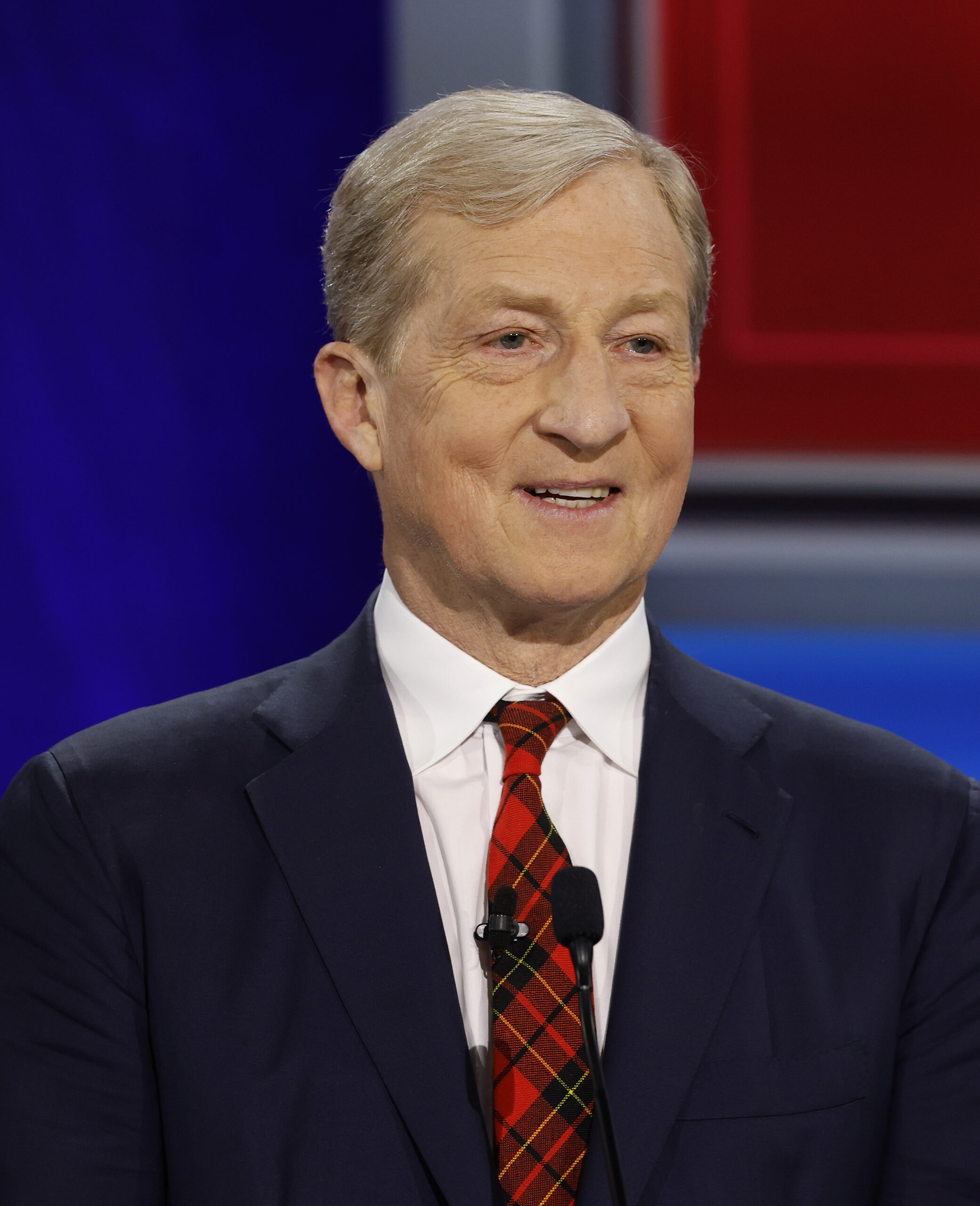
Tom Steyer. Photo: Justin Sullivan/Getty Images.
Tom Steyer
On climate, Steyer is probably the most aggressive candidate in the field. Environmental groups like EnviroVoters consider him one of the best candidates on climate, citing his decades-long dedication, his co-chairing of then- President Joe Biden’s Climate Engagement Advisory Council, and his defense against oil and tobacco companies on environmental policy. His platform includes fast-tracking clean energy and challenging the monopoly status of investor-owned utilities, such as PG&E and Southern California Edison.
Steyer has also been the most aggressive candidate on fossil fuel accountability. He has emphasized he would take steps to hold the oil industry accountable for climate impacts, saying he would have polluters pay “100%” of any environmental damage. On electric vehicles, he argued that “the job of the governor” is to bring EV prices down by making affordable electric cars available, predicting that “by 2035, there’ll be $15,000 EVs available. Mark my words.”
On fossil fuel ties, his record is complicated. Steyer made his fortune at a hedge fund that invested in industries including fossil fuels and private prisons — though he subsequently sold off those holdings and founded a firm focused on environmental technology. He has signed the No Fossil Fuel Money Pledge and has publicly called on Becerra to return a campaign contribution from Chevron, positioning himself as the clean-money candidate in the race.
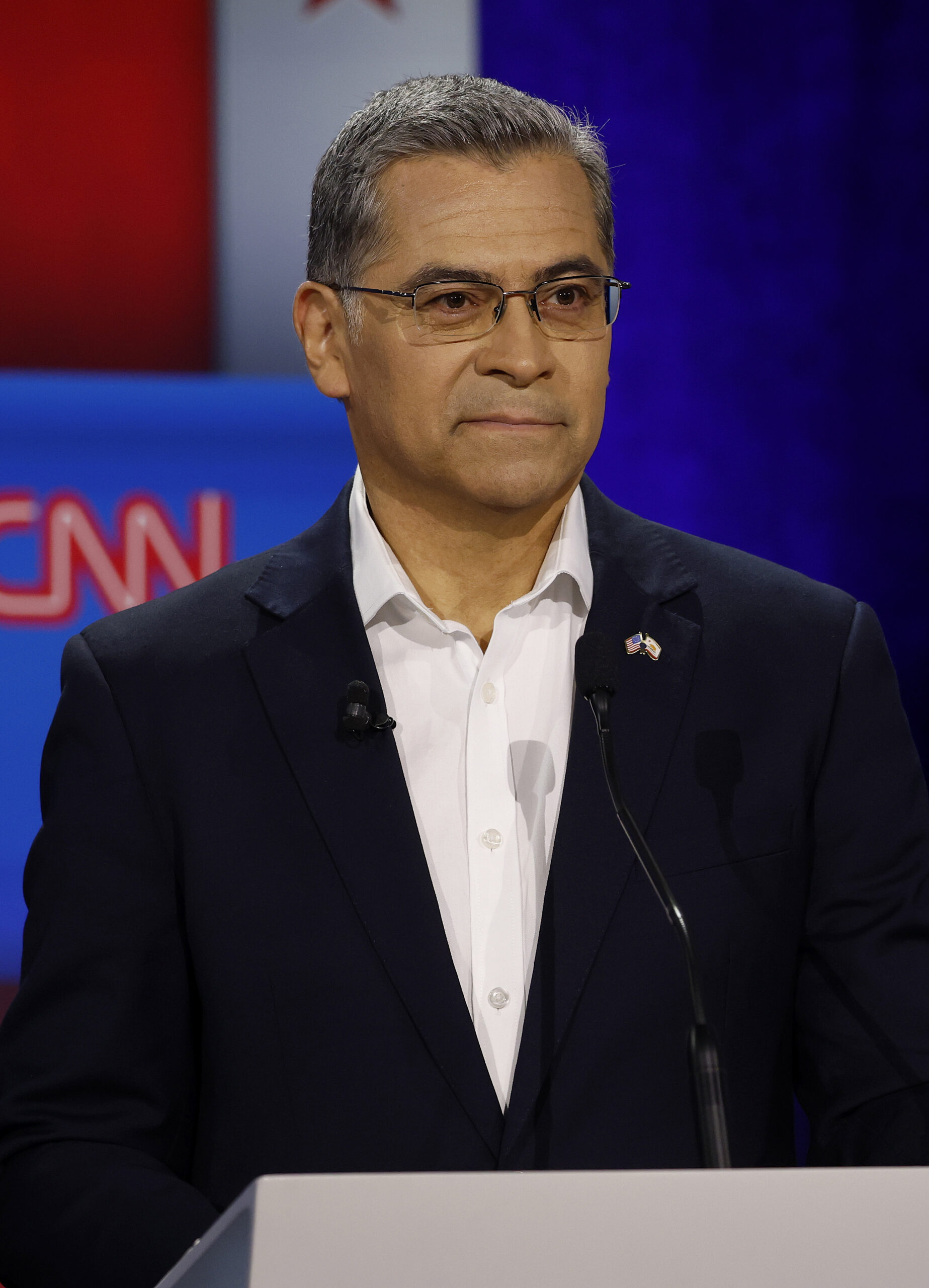
Xavier Becerra. Photo: Justin Sullivan/Getty Images.
Xavier Becerra
On climate, Becerra presents a more mixed picture. A CalMatters voter guide notes he’s open to revising the state’s climate goals to keep fuel affordable for middle-class Californians and wants to declare a state of emergency to freeze utility and insurance rates — a more moderate posture than Steyer or candidate Katie Porter, a former member of Congress.
Becerra has framed climate through the lens of federal funding battles. He said, “The biggest challenge we have here is Donald Trump,” arguing that California pays more in taxes than any other state but isn’t getting its fair share back, and vowing to “fight like the dickens” to change that.
On fossil fuel ties, the scrutiny is real. Becerra accepted a $39,200 donation from Chevron for his gubernatorial campaign, which has become a flashpoint in the race. The San Francisco Chronicle‘s campaign finance tracker lists Chevron among his top donors, and the Los Angeles Times reported he had previously accepted the legal maximum from Chevron and Phillips 66 during his 2018 attorney general campaign as well. Climate Hawks Vote’s political director called Chevron’s maxed-out contribution to Becerra disqualifying, saying he’s “a non-starter among climate folks.”
Becerra’s camp has pushed back, pointing to his record of suing polluters as the state’s top prosecutor — but Steyer counters that as attorney general, Becerra failed to prosecute oil companies for polluting California’s air and water, even after accepting their contributions.
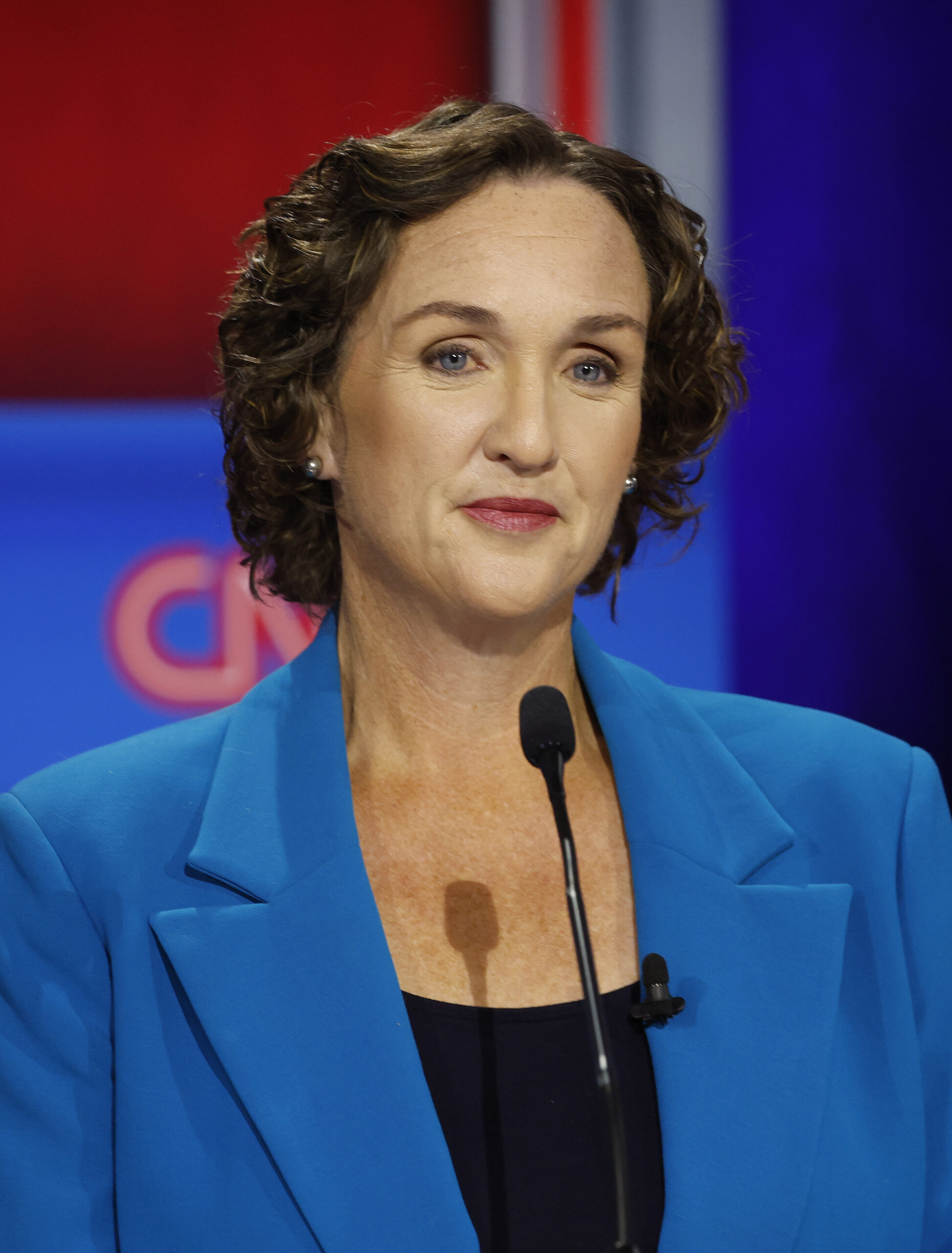
Katie Porter. Photo: Justin Sullivan/Getty Images.
Katie Porter
EnviroVoters and environmental groups rank Porter alongside Steyer as the best candidates on climate, citing her aggressive clean energy stance, corporate accountability record and rejection of oil and corporate polluter money.
Porter held oil companies accountable for spills and gas price gouging as chair of the House Natural Resources Subcommittee on Oversight, and earned a 94% score from the League of Conservation Voters during her years in Congress. She has signed the No Fossil Fuel Money Pledge. At a recent debate, Porter expressed a more nuanced stance, saying she supports keeping oil refineries open while the state works toward greater electrification — a pragmatic position that distinguishes her somewhat from Steyer with his harder line.
Porter has framed environmental justice as both a policy and political independence issue, arguing that enforcement starts with refusing fossil-fuel industry influence and advancing federal legislation to strengthen protections across communities.
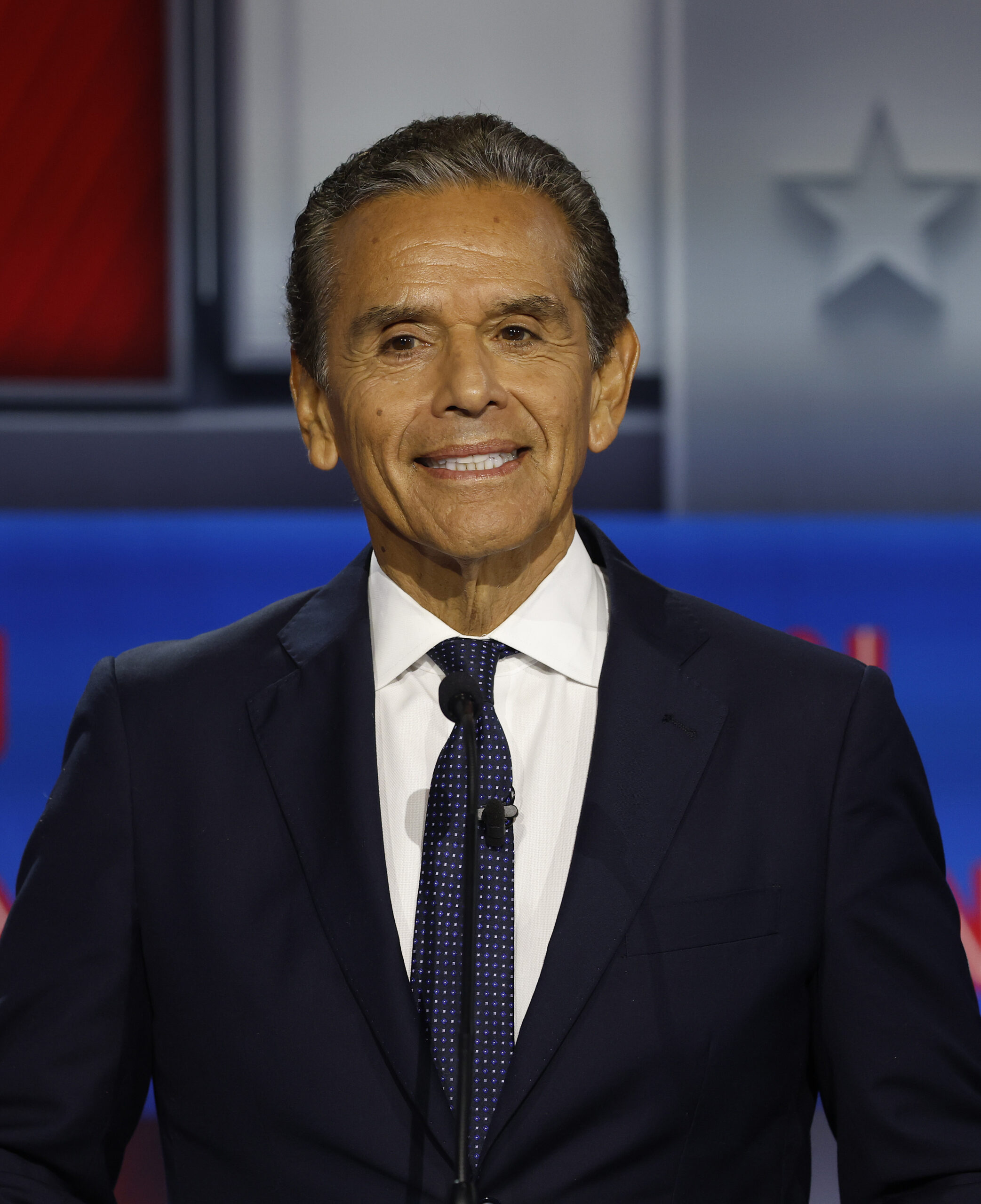
Antonio Villaraigosa. Photo: Justin Sullivan/Getty Images.
Antonio Villaraigosa
The former Los Angeles mayor is the most complicated Democrat on climate. Despite claiming environmental credentials, Villaraigosa has pivoted toward defending the oil industry, calling for an “all-of-the-above” energy approach. CalMatters’ voter guide notes that he includes oil and gas as necessary “transition” fuels and is calling for a moratorium on a variety of state greenhouse-gas reduction rules he calls “failed policies,” including carbon emissions limits at refineries and low-carbon fuel standards.
Villaraigosa has argued that neither climate deniers nor advocates of going purely renewable had a workable policy. At the CBS California Governor’s Debate on May 14, he said “Folks, anybody that thinks that the climate deniers have a policy that works — or the ones that believe we’re just going to go all renewables — that’s not gonna work. We need an all-of-the-above energy policy.” He also pointed to EV charging infrastructure, noting California has built 167,000 stations (there are actually over 200,000) but will need 2 million more within a decade.
On the money side, he has received campaign donations from Chevron, Marathon, California Resources Corporation (the state’s largest oil and gas producer) and executives of two Kern County drilling companies. Climate Hawks Vote’s political director says that’s more than $100,000 in donations that violate the fossil fuel pledge Villaraigosa signed during his 2018 gubernatorial run — which he says he has not re-signed for this campaign.
In stating his opposition to policies that could lead to refinery closures, Villaraigosa told the Los Angeles Times in 2025: “I’m not fighting for refineries. I’m fighting for the people who pay for gas in this state.” He has also argued, “We’re putting this notion of just renewables on the backs of working people. We have the highest gas prices in the United States of America. We have the second-highest utility costs.”
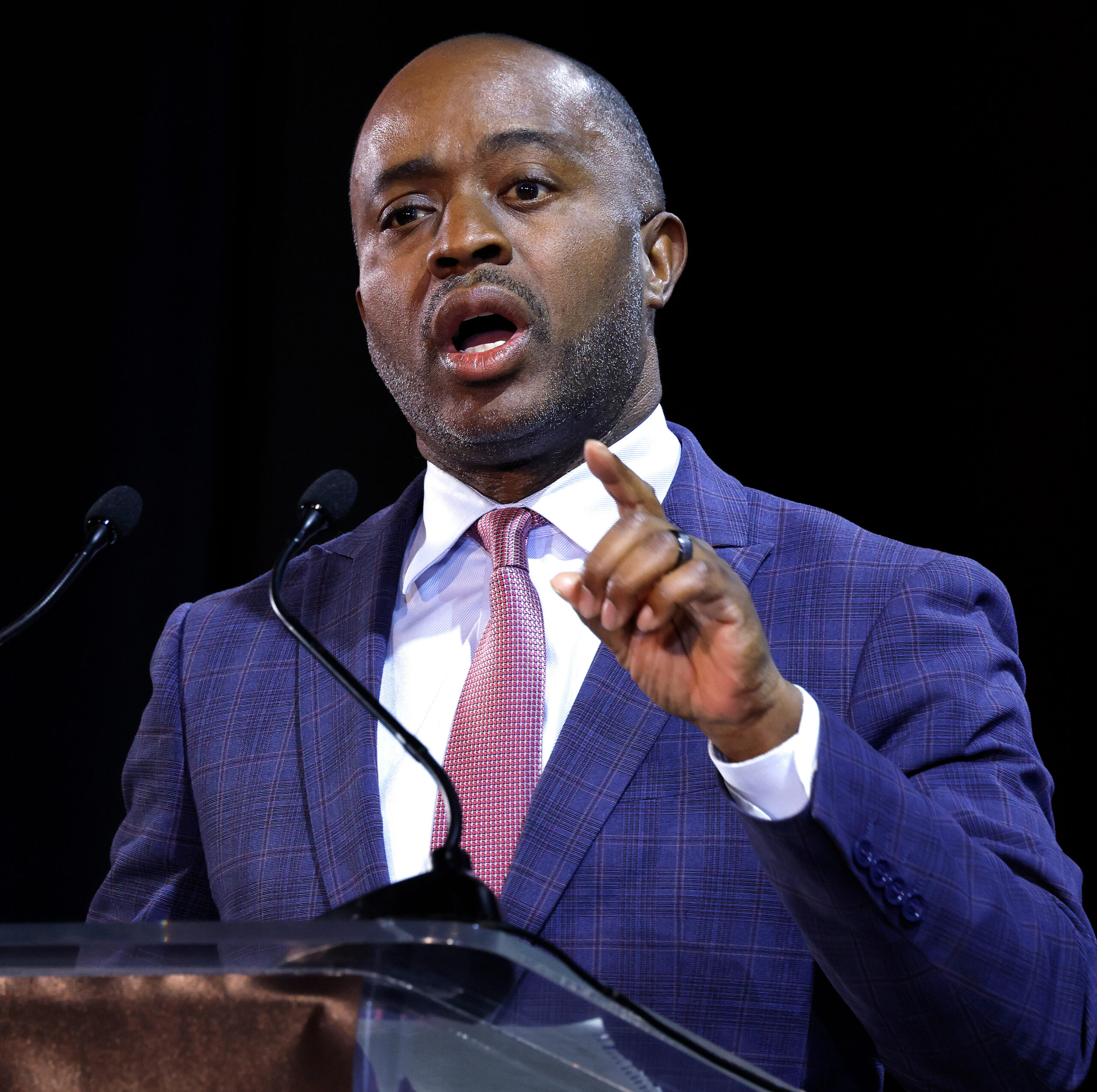
Tony Thurmond. Photo: Mario Tama/Getty Images.
Tony Thurmond
Current State Superintendent of Public Instruction Thurmond has signed the fossil fuel pledge and wants to retain refineries while investing in cleaner technology, arguing that the state needs to “find ways to balance climate change” with investments like carbon capture. He’s also one of the candidates who supports suspending the gas tax for near-term relief.
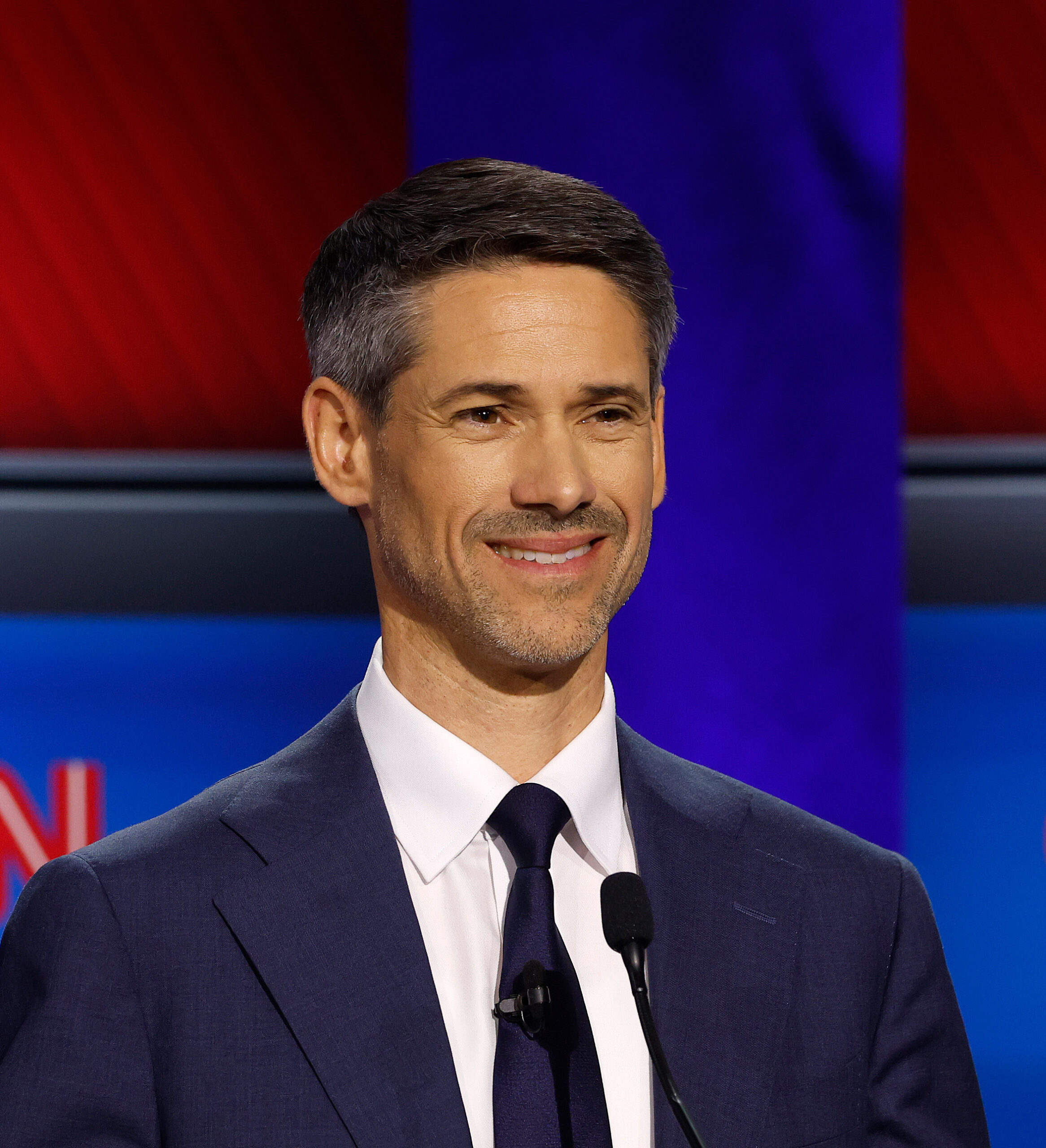
Matt Mahan. Photo: Justin Sullivan/Getty Images.
Matt Mahan
The San Jose mayor is a moderate. He supports temporarily suspending the gas tax and said he wouldn’t rule out curbing some of the state’s refinery regulations.
He has not signed the fossil fuel pledge, though his industry donation trail appears less extensive than Becerra’s or Villaraigosa’s.
REPUBLICANS
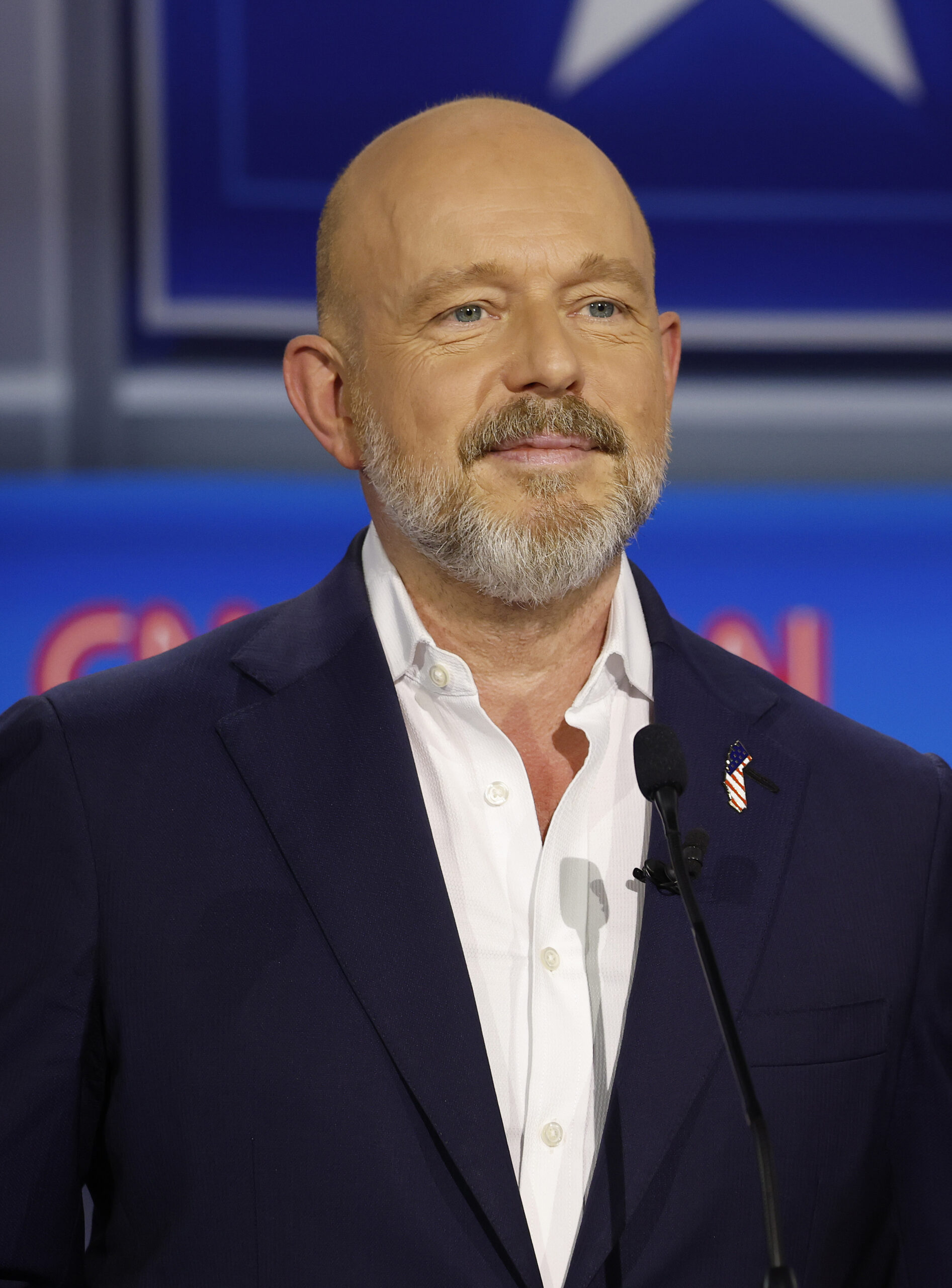
Steve Hilton. Photo: Justin Sullivan/Getty Images.
Steve Hilton
Hilton, who has been endorsed by President Donald Trump, blames California’s high gas prices squarely on the state’s climate agenda — specifically the gas tax, cap-and-trade and the low carbon fuel standard — and has promised to lower gas to $3 a gallon by suspending environmental regulations. On industry money, he’s made no secret of where he stands: When asked about campaign contributions from the oil and gas industry, Hilton said, “Oh, as much as possible. I mean, I support that industry wholeheartedly.”
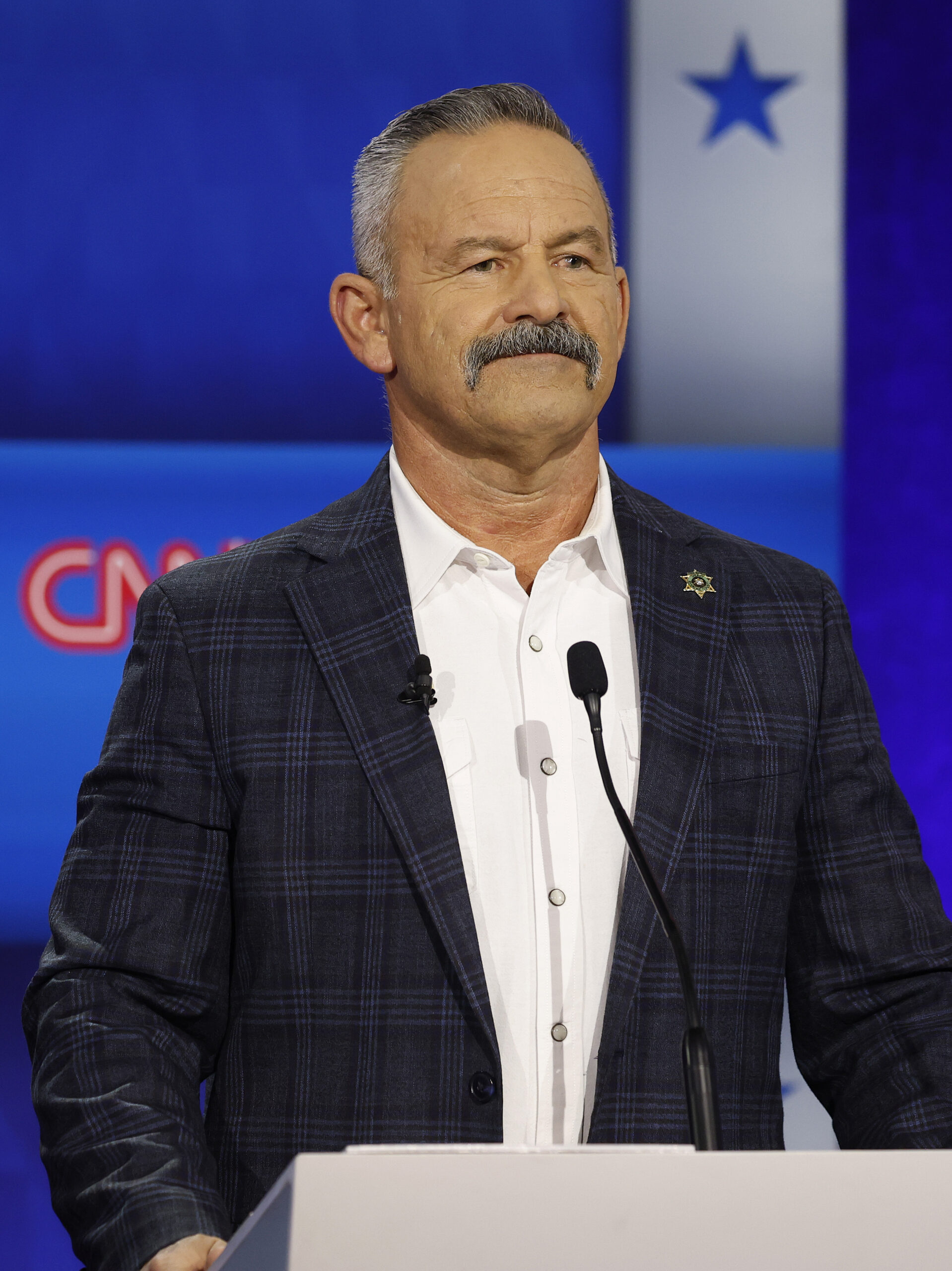
Chad Bianco. Photo: Justin Sullivan/Getty Images.
Chad Bianco
The sheriff of Riverside County, Bianco promises to make California “oil independent,” cut taxes and regulations broadly and expand oil drilling to help offset revenue lost from eliminating the income tax. Like Hilton, his campaign has said it welcomes industry donations. He’s also pushing to suspend numerous state environmental regulations.
The broad picture: The field breaks pretty cleanly between Steyer and Porter (aggressive on climate, no industry money) on one end; Hilton and Bianco (full-throated industry support, rollback of climate rules) on the other; and Becerra, Villaraigosa, Thurmond and Mahan occupying various points in between — all with varying amounts of fossil fuel money donated and a shared affordability argument for moderating climate policy.
Copyright 2026 Capital & Main



-
 Imperial DivideJune 3, 2026
California’s Lithium Valley Dreams Meet Reality at the Only Restaurant in Town
-

 Column - State of InequalityJune 4, 2026
California’s Economy Runs on Labor Trump Wants to Deport
-
 Featured VideoJune 5, 2026
At This New Mexico Park, Mountain Bikers Pedal Amid Hundreds of Oil Wells
-

 The SlickJune 10, 2026
Data Centers Are on the Ballot — This Pennsylvania Candidate Won Her Primary Keeping Them Top of Mind
-

 Latest NewsJune 9, 2026
Ousted by the Trump Administration, U.S. Immigrants Remain Locked up in African Kingdom
-

 Latest NewsJune 8, 2026
The Glacier May Be Gone, but the Love Isn’t
-
 Latest NewsJune 12, 2026
California Town Lets Private ICE Detention Centers Police Themselves
-
 Column - State of InequalityJune 11, 2026
County Tax Measures Show Limits of Local Responses to Medicaid Cuts