
Culture & Media
Film Review: “Pride”

By now British films that combine gritty economic issues with musical set pieces have become their own genre. These movies, often based on historical fact, typically involve the seemingly crazy schemes of a plucky band of commoners to save a dying industry or rescue a besieged group of workers. Pride is the most recent descendent of Brassed Off, The Full Monty, Kinky Boots and Made in Dagenham. It’s the story of the fateful 1984-85 coal miners’ strike, during which Prime Minister Margaret Thatcher managed to cripple the National Union of Mineworkers.
Stephen Beresford’s screenplay follows the efforts of Mark Ashton (Ben Schnetzer), a young gay militant, to rally his LGBT comrades to collect funds for the increasingly harried miners. He finds only a few adherents, but this energized band, which includes a closeted young student named Joe (George MacKay), a sarcastic lesbian, Steph (Faye Marsay) and a flamboyant actor played by Dominic West, eventually raise more money for the strikers than any other private group in Britain. Getting the macho miners to accept the contributions, however, is another challenge. The group sets off in a minibus for a mining village in South Wales and the reception they get in the local union hall is about as icy as the one the American travelers received in the rural pub in An American Werewolf in London.
Moment by grudging moment, however, the homophobic miners – egged on by their far more tolerant women folk – come to accept the gay Londoners and return their selfless generosity in a remarkable act of solidarity. Although it runs a little too long, there’s much to admire in this film, directed by Matthew Warchus. After all, Warchus is able to keep us on the edge of our seats even though we know the outcome of the strike and are quite familiar with the feel-good tropes of Pride’s genre. Warchus doesn’t shy away from documenting the revolution-within-the-revolution issues of sexism inside both the labor and gay liberation movements, as well as the indifference of many gays to the strikers.
The acting is superb and Pride benefits from two epically low-key performances — Paddy Considine as the Welsh miner who acts as “the gays”’s liaison to the strikers, and Bill Nighy as a phlegmatic retired collier. Schnetzer’s achingly committed Mark and MacKay’s vulnerable Joe add electricity on the other end of the emotional spectrum. Like other films about miners, such as Salt of the Earth and Harlan County, USA, Pride explores the difficulty of human solidarity and shows how it is all the more remarkable for its occasional triumphs. In the Los Angeles area, Pride is running at Laemmle’s Playhouse 7 in Pasadena through October 16th.



-
 Column - State of InequalityMay 21, 2026
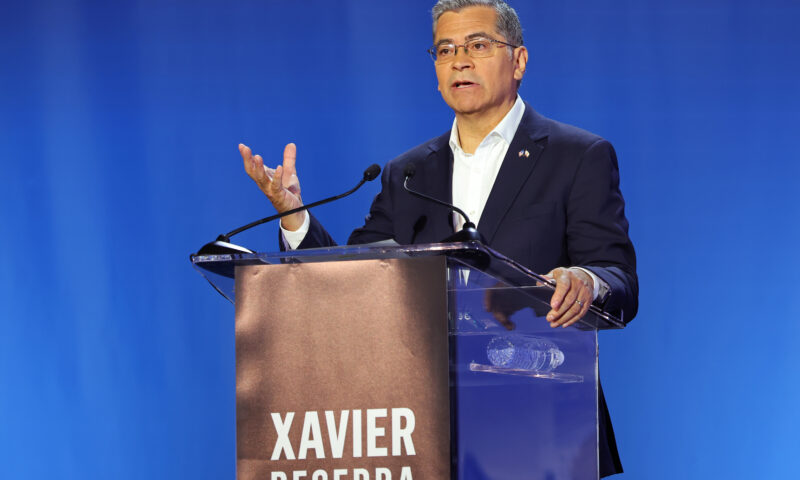
In California Governor’s Race, Xavier Becerra Walks Away From Single-Payer
-

 Latest NewsMay 22, 2026
Where California’s Gubernatorial Candidates Stand on Climate and Taking Big Oil Money
-
 The SlickMay 20, 2026
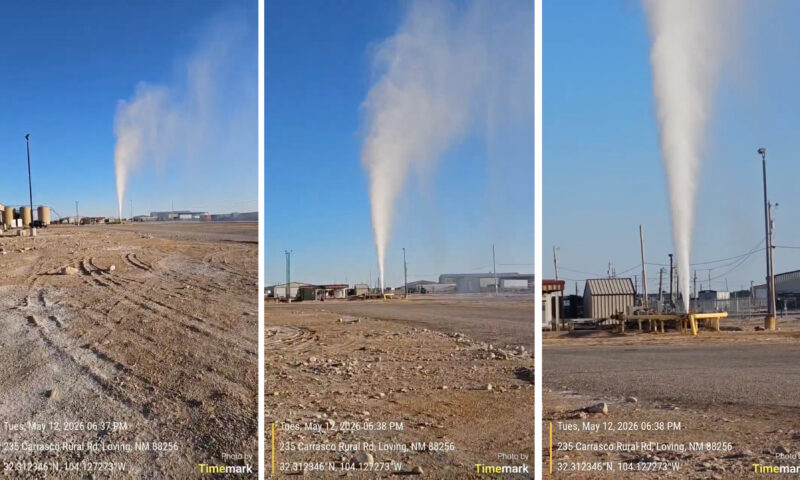
70-Foot Wastewater Geyser Reflects New Mexico’s Latest Oilfield Challenge
-
 The SlickMay 29, 2026
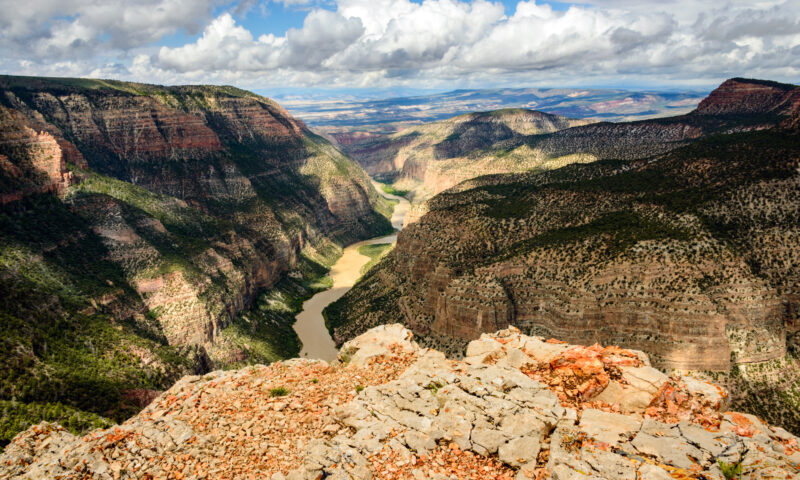
Feds to Open Tens of Thousands of Acres of Colorado Wilderness to Oil Drilling
-
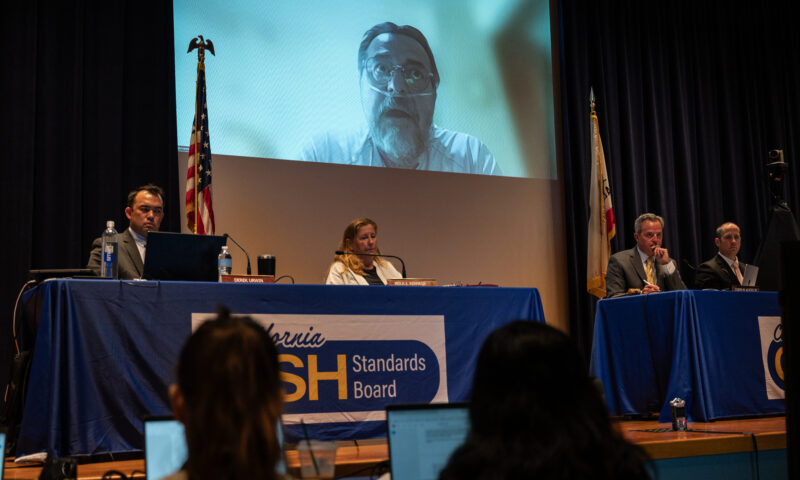
 Deadly Dust: The Silicosis EpidemicMay 27, 2026
California Moves to Ban Quartz Countertop Fabrication to Combat Silicosis Epidemic
-
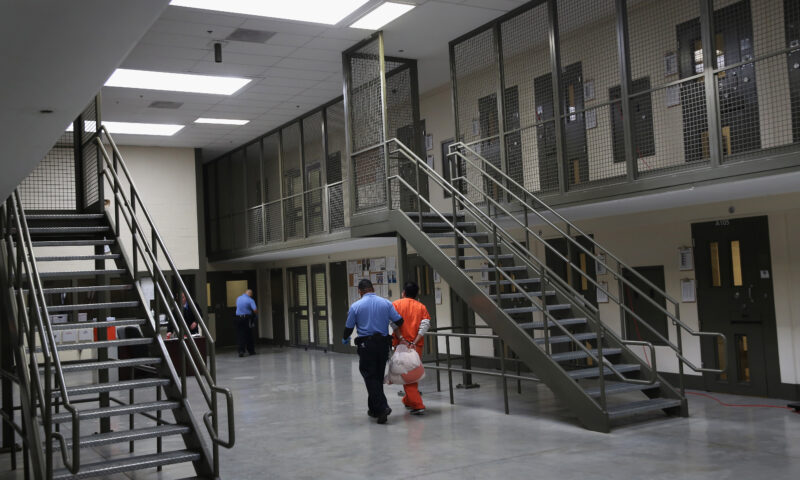
 Latest NewsMay 26, 2026
Conditions at California ICE Detention Centers Are Getting Worse, Inspections Find
-
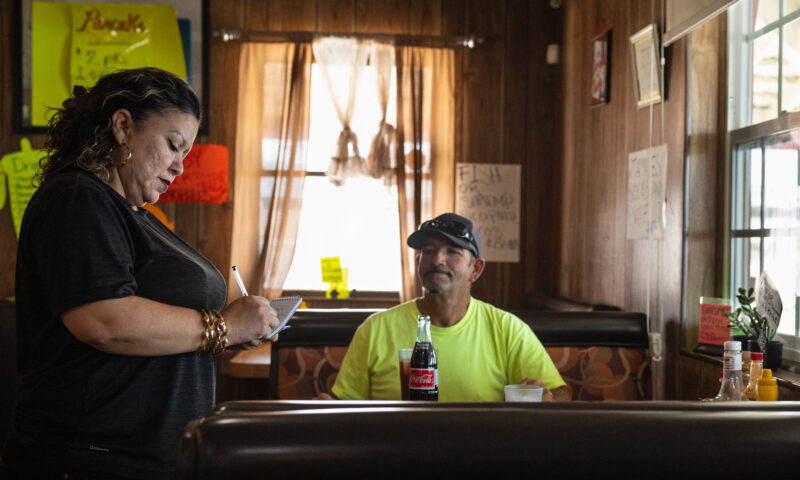
 Imperial DivideJune 3, 2026
California’s Lithium Valley Dreams Meet Reality at the Only Restaurant in Town
-

 Column - State of InequalityMay 28, 2026
Top Democratic Candidates Agree on Housing Urgency, Not the Fix