
Labor & Economy
Wall Street Investors Intensify Affordable Housing Crisis
Co-published by Splinter
Research shows that corporate landlords are contributing to a rise in housing prices.


The housing affordability crisis has happened in tandem with Wall Street’s home buying spree.
Co-published by Splinter
Wall Street firms drove up housing and rent prices while depressing homeownership rates after the financial crisis, according to a new study of economic data.
The analysis from researchers at the Philadelphia Federal Reserve found that after the collapse of the housing market a decade ago, institutional investors such as Blackstone, Cerberus Capital and Golden Tree seized on the opportunity to buy up homes and convert them into rental units.
In all, the researchers found that institutional investors’ purchases of residential properties represented nine percent of the overall housing price increases since the crisis — and 28 percent of the decline in homeownership rates.
“Institutional investors have helped local house price recovery but depressed local homeownership rates,” the study concluded. Such “buying and selling in the single-family housing market affected the local rental market, raising rental price growth rates.”
In mid-2018, housing prices hit their least affordable rates in a decade, according to data compiled by ATTOM Data Solutions. Meanwhile, between 2001 and 2015, America saw a 19 percent increase in the number of households that spend more than 30 percent of their income on housing, according to data from the Pew Charitable Trusts.
The housing affordability crisis has happened in tandem with Wall Street’s buying spree. Federal Reserve researchers noted that “the institutional investor-purchased share of single-family homes has been mostly flat during the early 2000s but picked up significantly since the mortgage crisis broke out in 2007.”
Corporate investors own roughly 200,000 single-family homes, according to industry data. In the last year, major Wall Street firms have continued buying up single-family homes, adding to the financial sector’s growing real estate empire.
At the same time, many of those same investment firms pumped big money into the campaign to defeat a California ballot measure that would have allowed local communities to enact rent control laws. In some cases, the resources backing the campaign came from investment firms managing public pension money.
The Fed study did offer one silver lining: It found that institutional investors’ presence in the housing market did contribute to declining unemployment rates, particularly in construction.
Copyright Capital & Main



-
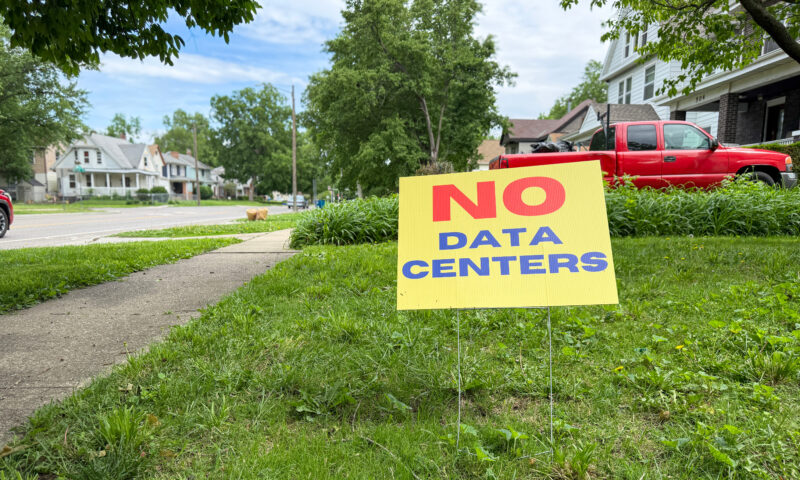
 The SlickJune 10, 2026
Data Centers Are on the Ballot — This Pennsylvania Candidate Won Her Primary Keeping Them Top of Mind
-

 Latest NewsJune 9, 2026
Ousted by the Trump Administration, U.S. Immigrants Remain Locked up in African Kingdom
-

 Latest NewsJune 8, 2026
The Glacier May Be Gone, but the Love Isn’t
-

 Latest NewsJune 12, 2026
California Town Lets Private ICE Detention Centers Police Themselves
-

 Column - State of InequalityJune 11, 2026
County Tax Measures Show Limits of Local Responses to Medicaid Cuts
-

 The SlickJune 16, 2026
Why Coal Will Lead to More Deaths in Colorado
-

 Latest NewsJune 17, 2026
California Rideshare Drivers Move Toward Unionizing, Following Massachusetts
-

 Latest NewsJune 19, 2026
Sheriff’s, Probation Litigation Cost L.A. County Taxpayers $1 Billion, Study Finds