Labor & Economy
Robert Reich on Trump’s ‘Dangerous Tax Bill’
“All of this rhetoric about a middle-class tax cut,” Robert Reich tells Capital & Main, “is just an absurd lie when you look at the numbers.”

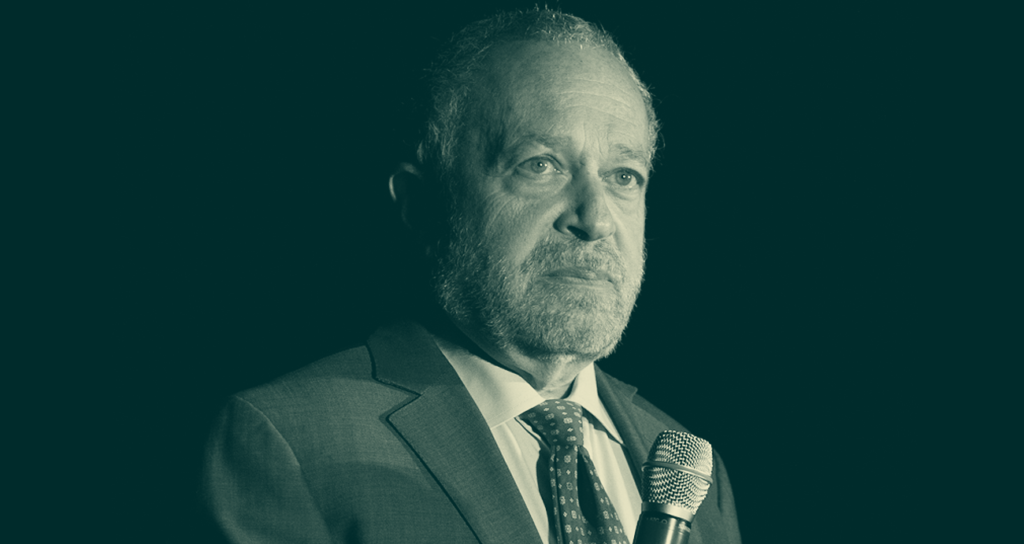
In little more than six months the Republican-proposed tax bill has grown from a one-page White House press release promising financial relief for middle-class Americans to a colossal amoeba containing everything from massive corporate tax cuts to the repeal of Obamacare. Capital & Main’s Jessica Goodheart recently spoke to economist Robert Reich for part of an upcoming series on corporate responsibility. During Goodheart’s interview, Reich spoke about the current tax proposal that many experts see as a dire threat to the very households its sponsors are pledging to protect. Reich’s comments are excerpted below.
Jessica Goodheart: Do you think that reform-minded CEOs are taking any risks?
Robert Reich: If CEOs were really courageous . . . they would be speaking out right now against the shortsighted and dangerous tax bill that is coming through Congress, even though their own corporations might benefit. Over the long term, everyone will lose.
Some have suggested that the anti-free trade, nationalist movement that Donald Trump represents at home might place pressure on corporate leaders to address the widening wealth and income gap. Do you see that as a possibility?
Reich: Some leading corporations could decide to support specific public policies and reduce inequality, such as higher minimum wages, a bigger earned income tax credit, maybe even a universal basic income. They’re not going to do it individually, as companies, but they might come together and act politically, and lend their political clout to this kind of legislation.
What do you think the prospects for that are right now?
Reich: It’s hard to say. The Republican Party is split between its corporate and Wall Street wing, and its Steve Bannon/nationalist/Trump wing. For the time being, those two wings have come together around getting tax cuts for the corporate, Wall Street wing. What will the Bannon/nationalist/Trump wing want in return? Will they be satisfied with Trump’s tweets and nationalist tantrums? I don’t know.
What role are corporations playing in tax reform efforts, both visible and not visible, to the public?
Reich: Well, most of it’s invisible. Right now, there are lobbyists swarming over Capitol Hill, trying to get the largest tax breaks they possibly can for their companies and industries. You have large business groups like the Chamber of Commerce, Business Roundtable and others who are trying to keep the direction of the bill going in very large tax breaks for corporations, overall.
What the public sees and hears is just the talking points that Republican leaders have put out there in order to mollify the public, and to disguise what’s really going on. All of this rhetoric about a middle-class tax cut is just an absurd lie when you look at the numbers. I mean, the longer this goes on, the more likely it is that most Americans will discover the truth — which is why the Republican leadership wants to move quickly, and get this done before Christmas.
On Monday, Trump tweeted a request that the repeal of the Obamacare health insurance mandate be included in the tax reform proposal. How would that impact Americans, and how do you think it affects the prospect of the bill’s passage?
Reich: The removal of the health mandate would cause four million Americans to lose coverage in the first year, 13 million by 2027, according to the nonpartisan Congressional Budget Office. I don’t see how Senators Susan Collins, Lisa Murkowski and John McCain — who voted against repeal of the Affordable Care Act — could possibly vote for the tax bill with this poison pill inside it.
Yesterday, Trump economic adviser Gary Cohn received a tepid response after asking CEOs at a Wall Street Journal conference whether the tax reform bill would cause them to spend more on growth. Does that surprise you?
Reich: It doesn’t surprise me, because American corporations are flush with cash. If they wanted to invest more in growth, they could have done so already. They’re using their profits to buy back their shares of stock, and pad executive pay. That’s what they’ll do with even more profits that come their way because of the tax cut.
Copyright Capital & Main


-
 Latest NewsApril 28, 2026
A May Day Push to ‘Shut It Down’ Takes Shape Across the Country
-

 Latest NewsApril 24, 2026
A Grieving Afghan Man Says He Tried to Get Medical Care for His Brother Who Died in ICE Custody
-

 The SlickApril 29, 2026
With Promises of Money, Controversial Gas Pipeline on Navajo Nation Passes First Hurdle
-
 Deadly Dust: The Silicosis EpidemicMay 6, 2026
California Could Be the First State to Ban Quartz Countertops
-
 Latest NewsApril 27, 2026
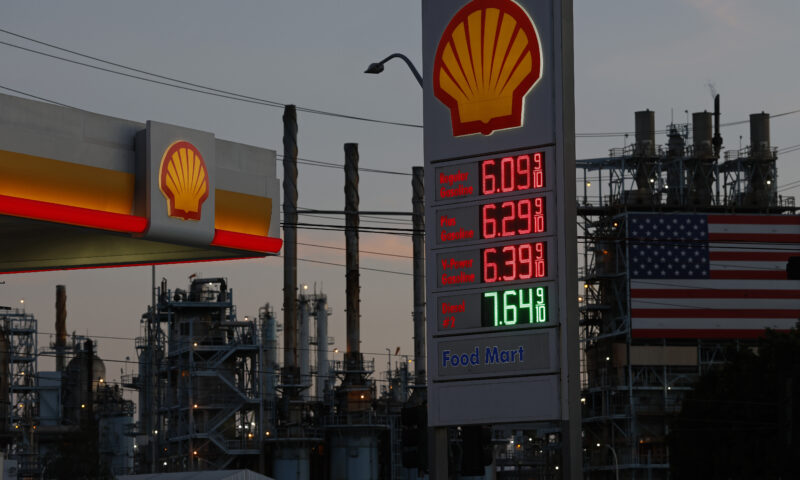
As the U.S. Spends Billions Fighting Iran, War-Driven Inflation Hits Working Families Hard
-

 Latest NewsMay 1, 2026
In One of L.A.’s Food Deserts, ‘Hands That Harmed Are Now Hands That Heal’
-

 Column - State of InequalityApril 30, 2026
Don’t Call It Upward Mobility If People Still Can’t Afford to Live
-
 Column - State of InequalityMay 21, 2026
In California Governor’s Race, Xavier Becerra Walks Away From Single-Payer