Labor & Economy
Criminal Justice: The High Price of Breathing While Poor

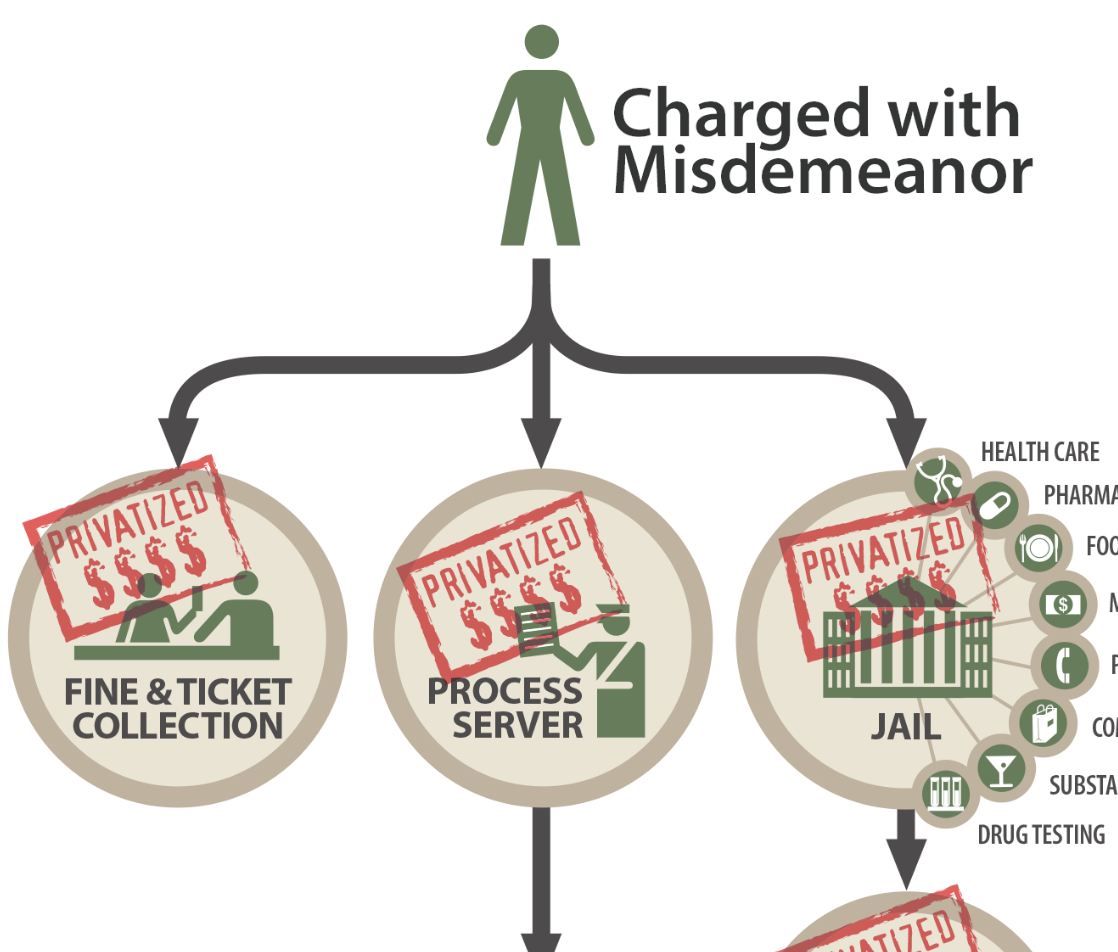
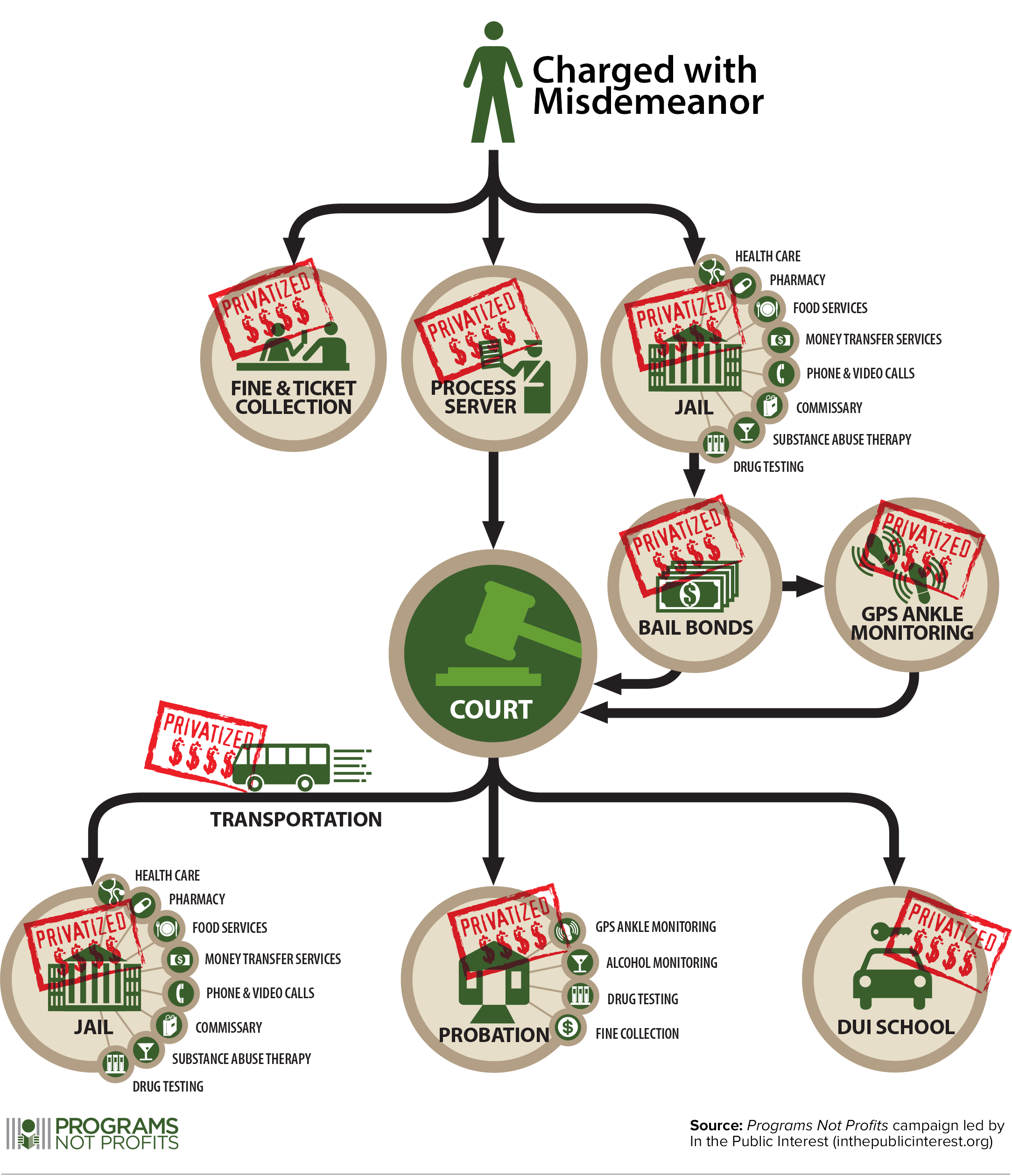
Last Monday the U.S. Department of Justice announced a powerful new effort to stop local practices that unfairly target poor people by trapping them in “cycles of poverty that can be nearly impossible to escape.” Courts across the country are requiring people arrested with minor misdemeanor charges—like driving with a suspended license—to pay fines before getting their day in court. If they can’t afford the fine, they are forced to wait behind bars until they can.
In a statement and letter, the DOJ shed light on what the agency calls a “bureaucratic cover charge for the right to seek justice,” but also on another alarming practice: the use of for-profit companies to collect fines and manage probation.
On top of fines collected on behalf of courts, many private probation companies charge their own fees for things like drug testing and supervision. If people can’t pay these fees—which can be as high as the fines themselves—they can be sent back to jail.
According to the DOJ, these companies have a “direct pecuniary interest in the management or outcome of a case.” And this interest is real. In October of last year, a private probation company left the state of Alabama after a nonprofit legal organization, Equal Justice Under Law, filed lawsuits accusing it of using the threat of jail to collect high fees.
As we revealed earlier this year, probation is just one of the many areas of our criminal justice system where private companies profit. Companies perform familiar functions like prison operation and immigrant detention, and even GPS ankle monitoring and residential reentry.
In all of these areas, including probation, these companies profit more when more people are in the system.
The DOJ’s effort is a significant step in righting our criminal justice system, which too often relies on policing and incarceration to “heal” wounds inflicted by much deeper causes. It also highlights the role of the private corrections industry in making that system anything but just.


-
 Latest NewsApril 28, 2026
A May Day Push to ‘Shut It Down’ Takes Shape Across the Country
-

 Latest NewsApril 24, 2026
A Grieving Afghan Man Says He Tried to Get Medical Care for His Brother Who Died in ICE Custody
-
 The SlickApril 29, 2026
With Promises of Money, Controversial Gas Pipeline on Navajo Nation Passes First Hurdle
-
 Deadly Dust: The Silicosis EpidemicMay 6, 2026
California Could Be the First State to Ban Quartz Countertops
-

 Latest NewsApril 27, 2026
As the U.S. Spends Billions Fighting Iran, War-Driven Inflation Hits Working Families Hard
-

 Latest NewsMay 1, 2026
In One of L.A.’s Food Deserts, ‘Hands That Harmed Are Now Hands That Heal’
-

 Column - State of InequalityMay 21, 2026
In California Governor’s Race, Xavier Becerra Walks Away From Single-Payer
-
 Column - State of InequalityApril 30, 2026
Don’t Call It Upward Mobility If People Still Can’t Afford to Live