Labor & Economy
Why I Support the Social Workers Strike

The Los Angeles County Department of Children and Family Services (DCFS) strike has been on my mind. Prior to leaving this April after nearly 12 years of service, I thought I would retire from DCFS. Even though I am no longer employed by DCFS and no longer in Los Angeles, I still feel connected to the social workers that do this work.

The strike started on December 5 when contract negotiations stalled. An unresolved issue is that of the Children’s Social Worker caseload for children and families who have abuse or neglect issues. High caseloads have been a long-standing issue even before this round of negotiations. One child is counted as one case. A child’s case goes through several service phases – from investigation to adjudication to offering services to maintain a child safely at home, or to reunify a the child with his parents once a family interfaces with DCFS. I was a Supervising Children’s Social Worker for the later phase, called Continuing Services.
What makes me hopeful about this strike is seeing and hearing about social workers becoming vocal and active about their concerns for children and families. Excessive caseloads (up to 50 in some DCFS offices), lack of foster placements and onerous paperwork prevent social workers from doing their job. As SEIU Local 721 members, social workers voted to strike after exhausting other avenues. SEIU Local 721 also is suing DCFS for Unfair Labor Practices, including alleged bargaining in bad faith and retaliation against workers.
 During my time at DCFS, social workers and supervisors would work 5 to 20 hours in excess of their weekly schedule without compensation. They did this out of dedication and fear of what would happen if the work was not done. In our line of work, leaving a job incomplete means a very real chance that a child is injured or killed. For social workers with unmanageable case loads, such a nightmare could be just around the corner.
If a child is injured or killed, your career can be put on the line too. The matter is investigated by the DCFS Internal Affairs section and sent to the performance management section for discipline. All the while, you may be placed on “desk duty” in the office, which is akin to affixing the Scarlett letter on you. There was always the looming fear of being named in a Los Angeles Times article as well. With constant stress and overwhelming work loads, social workers were becoming physically and emotionally ill at alarming rates when I left service.
Administrators would critique workers with comments like, “They have time management problems” or “Maybe they are not cut out for this work.” Social workers are blamed for a system that is not fair to families or to the workers themselves.
The child or family that is involved with child protective services may be one that you know. Children are not being safely supervised at the current caseload and families cannot adequately receive services to help them. We all say how much we care about children and families, but the striking social workers are proving it with their feet.

All photos from SEIU Local 721


-

 Column - State of InequalityJune 4, 2026
California’s Economy Runs on Labor Trump Wants to Deport
-
 Featured VideoJune 5, 2026
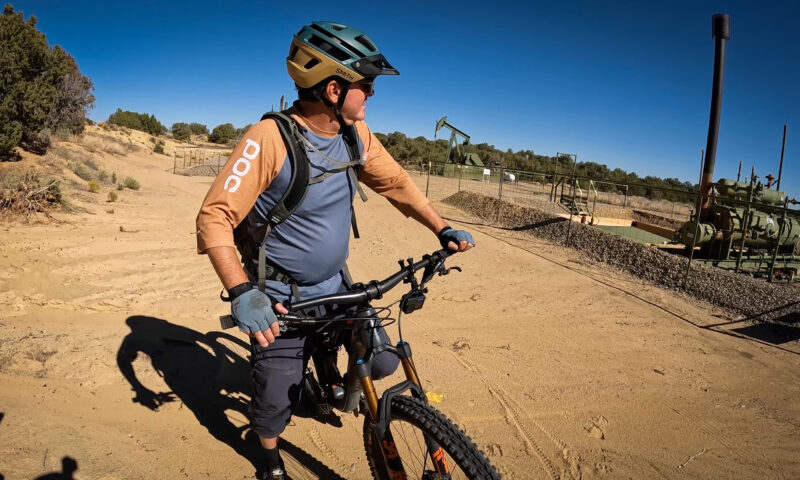
At This New Mexico Park, Mountain Bikers Pedal Amid Hundreds of Oil Wells
-
 Latest NewsJune 9, 2026
Ousted by the Trump Administration, U.S. Immigrants Remain Locked up in African Kingdom
-
 The SlickJune 10, 2026
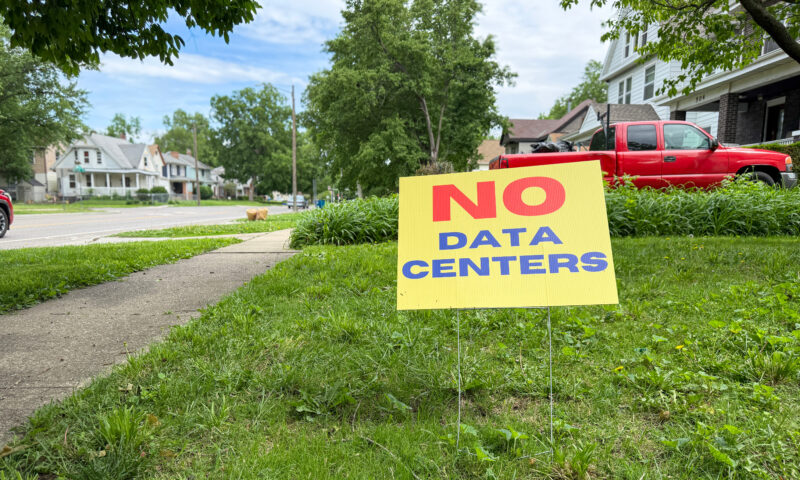
Data Centers Are on the Ballot — This Pennsylvania Candidate Won Her Primary Keeping Them Top of Mind
-
 Latest NewsJune 12, 2026
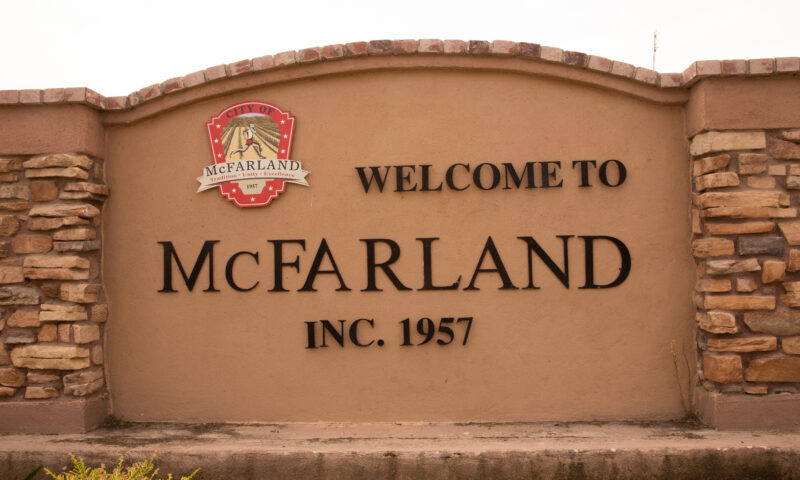
California Town Lets Private ICE Detention Centers Police Themselves
-

 Latest NewsJune 8, 2026
The Glacier May Be Gone, but the Love Isn’t
-
 Column - State of InequalityJune 11, 2026
County Tax Measures Show Limits of Local Responses to Medicaid Cuts
-
 The SlickJune 16, 2026
Why Coal Will Lead to More Deaths in Colorado