
Labor & Economy
What’s Next After $15?
At a time when the income chasm between California’s wealthiest and poorest residents continues to be one of the widest in the nation, 2016 might become a watershed year in California’s ongoing struggle to achieve income equity for the state’s nearly 4.8 million low-wage households.

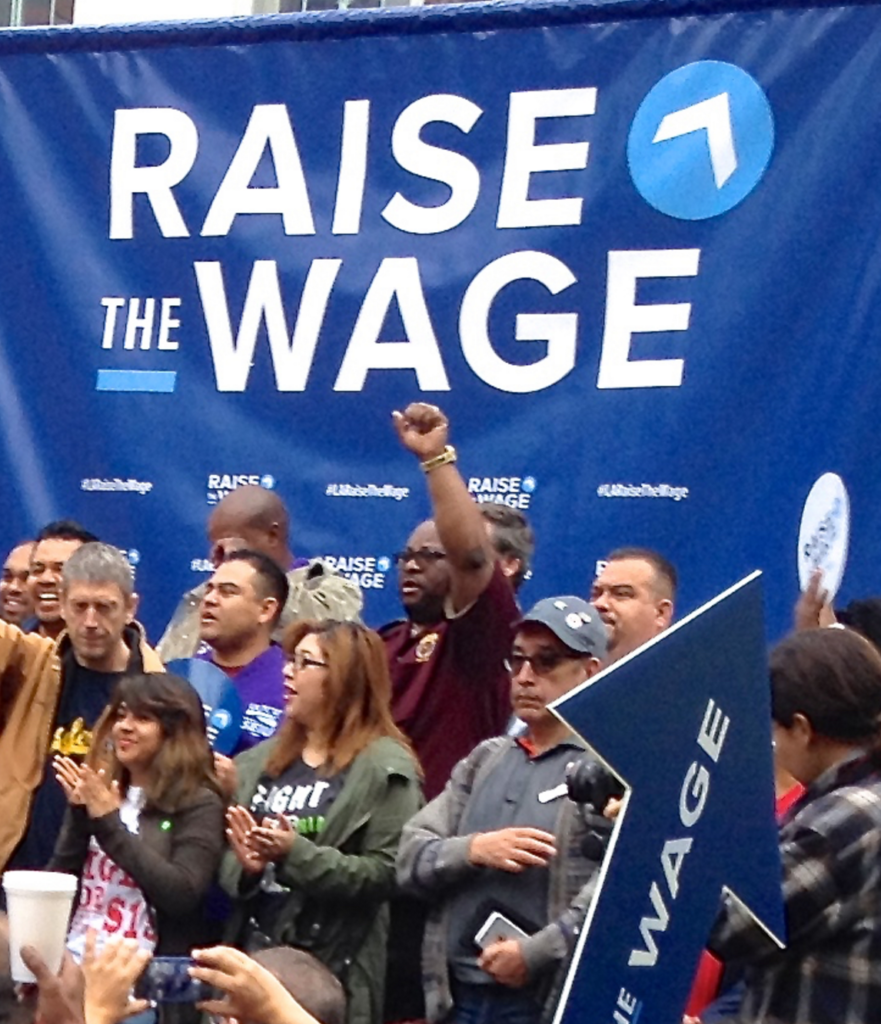
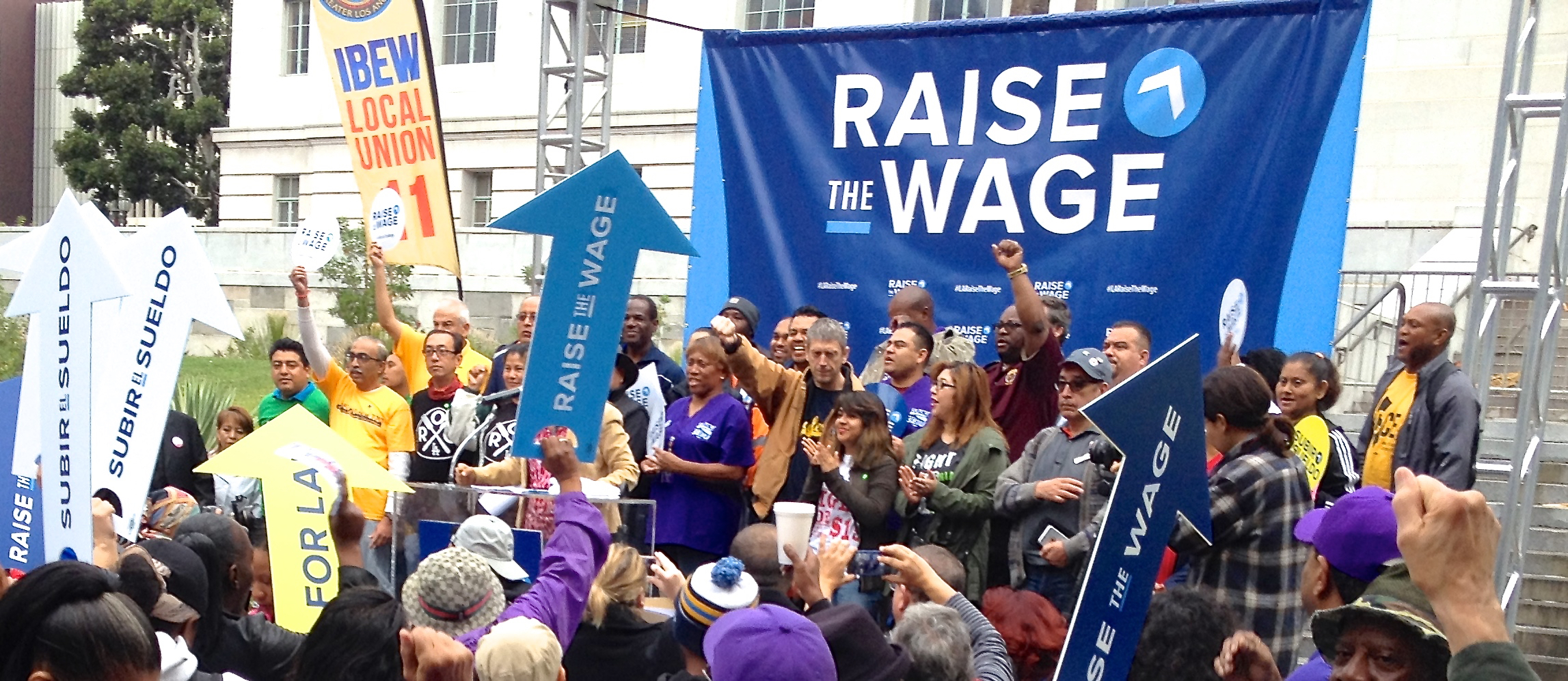
At a time when the income chasm between California’s wealthiest and poorest residents continues to be one of the widest in the nation, 2016 might become a watershed year in California’s ongoing struggle to achieve income equity for the state’s nearly 4.8 million low-wage households.
In April, Governor Jerry Brown signed into law both its landmark $15 statewide hourly minimum wage as well as a significant raise in the percentage of salary that employers must provide to low-wage employees in paid time off to care for a new child or ailing family member.
Those measures come on the heels of local living wage ordinances and informational outreach, along with recent state wage-theft regulations aimed at ensuring that employees get all of what is owed them. Most notably, Senate Bill 588, which took effect in January, strengthens the ability of workers to recover stolen wages from deadbeat employers.
How effective such measures will be — along with what actions are still required — will be discussion topics at Tuesday’s What’s Next After $15? forum hosted by the ACLU of Southern California’s Pasadena chapter. The event is free and open to the public.
Moderated by Michelle White, the chair of ACLU-SoCal Pasadena/Foothills’ Economic Justice Committee, the evening’s panelists represent a cross-section of alt-labor, antipoverty advocacy and local government:
- Pablo Alvarado, director of the National Day Laborer Organizing Network, has been instrumental in overturning ordinances that prohibit day laborers from soliciting work in public places, and for forming alliances between nonunion immigrant worker groups, immigrant and union federations.
- Henry Gascon, manager of Program and Policy Development of United Ways of California, is a co-author of “Struggling to Get By: The Real Cost Measure in California 2015,” the groundbreaking study that introduced a new poverty measure that conveys the real-world cost of meeting basic needs in California’s communities.
- Steve Mermell, Pasadena’s Interim City Manager, who will oversee that city’s new minimum wage ordinance, which took effect this month, along with its accompanying enforcement mechanism and outreach program to reach low-wage workers.
Co-sponsored by the ACLU of Southern California, LA Progressive and the League of Women Voters.
When: Tuesday, July 12, 6:30 p.m.
Where: Neighborhood Unitarian Universalist Church, 301 N. Orange Grove Blvd., Pasadena.
Free reservations can be reserved online. Info: (626) 427.7950 or chap-pasadena@aclusocal.org.



-

 Column - State of InequalityMay 21, 2026
In California Governor’s Race, Xavier Becerra Walks Away From Single-Payer
-

 Latest NewsMay 22, 2026
Where California’s Gubernatorial Candidates Stand on Climate and Taking Big Oil Money
-

 The SlickMay 20, 2026
70-Foot Wastewater Geyser Reflects New Mexico’s Latest Oilfield Challenge
-

 The SlickMay 29, 2026
Feds to Open Tens of Thousands of Acres of Colorado Wilderness to Oil Drilling
-
 Deadly Dust: The Silicosis EpidemicMay 27, 2026
California Moves to Ban Quartz Countertop Fabrication to Combat Silicosis Epidemic
-
 Latest NewsMay 26, 2026
Conditions at California ICE Detention Centers Are Getting Worse, Inspections Find
-
 Imperial DivideJune 3, 2026
California’s Lithium Valley Dreams Meet Reality at the Only Restaurant in Town
-

 Column - State of InequalityMay 28, 2026
Top Democratic Candidates Agree on Housing Urgency, Not the Fix