Environment
Solar Decision Will Burn Low-Income Californians

Reversing climate change and addressing income inequality are the twin challenges of our time. Solving them both means a safer, more stable future for generations to come.
If we don’t stop and reverse climate change, our environment and our economy could collapse. If we don’t address the growing gap between rich and poor, our political structures and our economy will continue to fray, robbing us of both the funds and the political will to address climate change.
These challenges are irreversibly linked — and we can’t solve one without solving them both.
That’s why progressives, labor leaders and everyone who cares about addressing these twin threats should oppose the California Public Utilities Commission’s recently proposed decision to require poor utility customers to subsidize richer customers and the new Wall Street-funded quasi-utilities serving these wealthy customers.
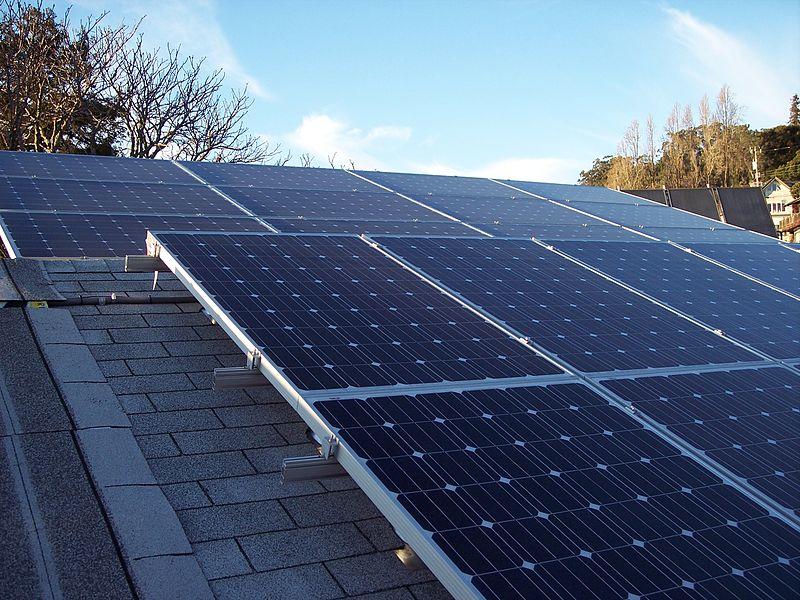
The CPUC’s decision is on a technical issue called Net Energy Metering: the system that provides subsidies for the installation of residential solar systems by forcing utilities to buy surplus energy generated on rooftops at an artificially high price. For a long time it made sense to provide these very generous subsidies — we all benefit from a robust solar industry. Some of us closest to the economics of solar thought it made more sense to subsidize larger solar installations, which are up to three times more cost-effective than residential solar systems. But broad adoption of solar and renewable power is a goal we must all support.
But what is happening now is that Wall Street has figured out how to game the system. And what usually happens when Wall Street financiers and speculators get involved is happening now in solar — the rich are being subsidized by the poor.
Net Energy Metering allows wealthier solar customers to sell the power they produce back to power providers at retail rates. Solar customers might think they are “off the grid,” but their lights still go on at night or when the sun isn’t shining because they are using the electric grid as a giant free battery.
But they don’t pay for it, others do. And “others” are renters and homeowners without the funds to install solar.
Solar customers are by every measure wealthier and whiter than traditional power customers. That’s because it’s expensive to install rooftop solar (between $12,000 and $40,000, even with the generous tax credits), and because you generally have to own your home in order to install the panels. What’s more, the panels are typically leased to the homeowner by a company like SolarCity. Those companies then bundle the leases and sell them to investors (sound familiar?), and it is not the customer but the investors who receive both the tax credit and the benefit of the Net Energy Metering subsidy associated with the panel.
Traditional power customers also include CARE customers — low-income families who earn less than 200 percent of the poverty level — who are particularly impacted by this decision. There are nearly 1.5 million CARE families across California, taking home an average of $40,180 a year — and they receive a 30-35 percent discount on their electric and natural gas bills. By comparison, there are only 200,000 solar customers, and they earn more than double that amount — about $92,210 each year.
The CPUC’s proposed ruling would force CARE customers to pick up the tab for the high cost of Net Metering, eating into the discount those families need. That would very plainly divert money intended for low-income customers to Wall Street and wealthier Californians. That’s not right, and the proposed decision has been roundly criticized by ratepayer advocates and others across the state.
California is moving towards a green energy future, and that’s a positive thing. But we need to be cognizant of how we get there. Forcing low-income people to subsidize Wall Street will only exacerbate the growing income inequality that is gnawing at our communities.
We need to fight climate change. We need to fight income inequality. We don’t need a subsidy for the wealthiest and Wall Street that makes income inequality in our state worse.
(Tom Dalzell is the business manager and financial secretary of International Brotherhood of Electrical Workers Local 1245. This piece was crossposted at Huffington Post.)



-

 Imperial DivideJune 3, 2026
California’s Lithium Valley Dreams Meet Reality at the Only Restaurant in Town
-

 Column - State of InequalityJune 4, 2026
California’s Economy Runs on Labor Trump Wants to Deport
-

 Featured VideoJune 5, 2026
At This New Mexico Park, Mountain Bikers Pedal Amid Hundreds of Oil Wells
-
 The SlickJune 10, 2026
Data Centers Are on the Ballot — This Pennsylvania Candidate Won Her Primary Keeping Them Top of Mind
-

 Latest NewsJune 9, 2026
Ousted by the Trump Administration, U.S. Immigrants Remain Locked up in African Kingdom
-

 Latest NewsJune 8, 2026
The Glacier May Be Gone, but the Love Isn’t
-
 Latest NewsJune 12, 2026
California Town Lets Private ICE Detention Centers Police Themselves
-
 Column - State of InequalityJune 11, 2026
County Tax Measures Show Limits of Local Responses to Medicaid Cuts