Politics & Government
Questions Surround Private Prisons After AZ Riot

By now, you have probably heard about the riot at the for-profit Kingman Prison in Arizona. Days of unrest at the prison, run by the privately-held Management Training Corporation, left 15 wounded and forced nearly 1,000 incarcerated people to be transferred to other facilities. The same facility also suffered from a major riot in 2010. Similarly, people detained at an MTC-run camp in Texas names Willacy rioted earlier this year, forcing that facility to close completely.
The Kingman riots are focusing renewed attention on the Arizona legislature’s long, cozy relationship with the private prison industry. The repeated failings of for-profit prison operators have led Arizonans and the editorial board for the state’s largest paper to ask some big questions:
- Do private prisons actually save the state money? (A 2010 report from the Arizona Office of the Auditor General showed private prisons charged the state more to house prisoners than the publicly run facilities for medium- and low-security prisoners.)
- Will the state get serious about cancelling contracts of providers who aren’t cutting it?
- Are private prison companies regularly understaffing facilities and cutting corners to increase profits?
- Should the state have to pay to control riots when the private operator can’t get the job done?
The governor of Arizona has promised an investigation that will get to the bottom of what happened at Kingman. Unless he also plans to fully evaluate the costs and benefits (moral and economic) of allowing companies to profit from locking up our fellow citizens, it will be an incomplete analysis.
Here’s what we already know about Arizona and for-profit prisons:
- The state of Arizona guarantees private prison operators payment for a certain number of prisoners, no matter the crime rate or the budget outlook. In 2013, ITPI found 3 AZ private prisons were given an astonishing 100% occupancy guarantee.
- A state senator who tried to tuck an extra $900,000 for GEO Group in last year’s state budget received maximum-allowed donations from GEO’s leadership and their registered lobbyists.
- States with private prisons operating within their border are less likely to take on the kind of criminal justice reform measures that lower prison populations and bring people home from prison.
- Private prisons extend prisoners’ sentences through bad behavior demerits, meaning people spend on average 60 – 90 days longer in a for-profit prison than they would in a public prison for the same offense, with no discernible related drop in crime.
The American Friends Service Committee in Arizona is calling on Governor Ducey to stop accepting bids for a new privately-run prison that could house up to 2,000 additional prisoners. Until the state can finally prove that private, for-profit prisons are the best option for Arizona, a lot of uncertainty will remain. Most of all, elected officials must be forced to honestly answer this one big question: are private prisons geared for our protection, or their own profits? We’re looking forward to hearing the response.



-
 Latest NewsJune 9, 2026
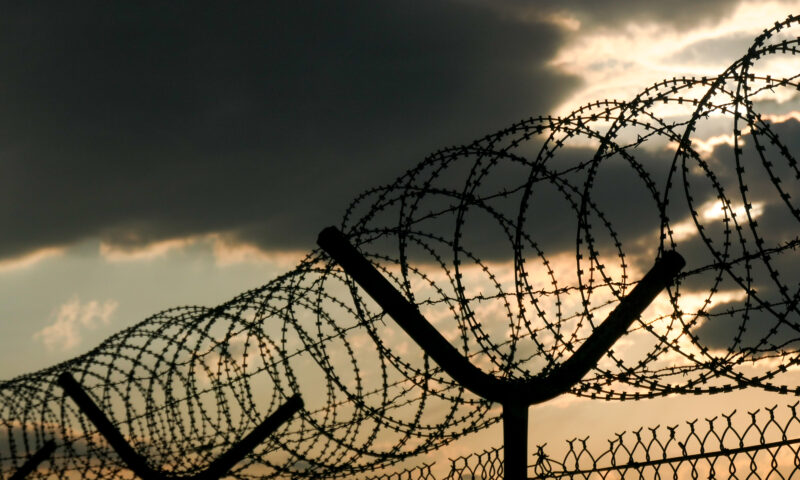
Ousted by the Trump Administration, U.S. Immigrants Remain Locked up in African Kingdom
-
 The SlickJune 10, 2026
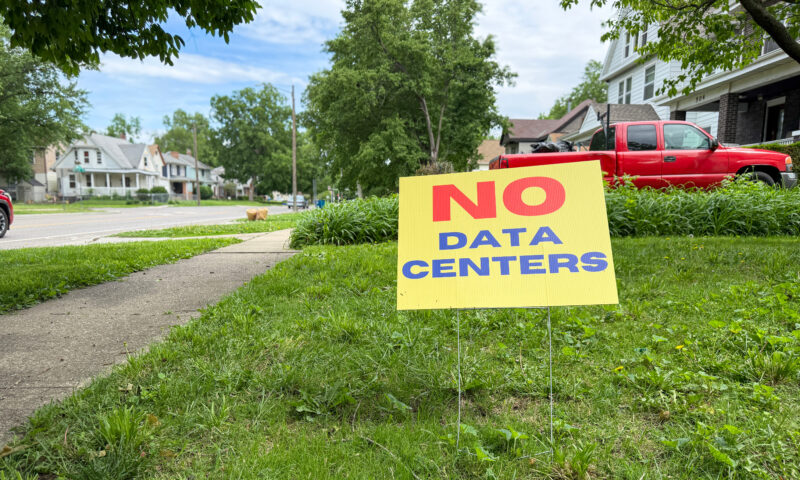
Data Centers Are on the Ballot — This Pennsylvania Candidate Won Her Primary Keeping Them Top of Mind
-

 Latest NewsJune 8, 2026
The Glacier May Be Gone, but the Love Isn’t
-

 Latest NewsJune 12, 2026
California Town Lets Private ICE Detention Centers Police Themselves
-

 Column - State of InequalityJune 11, 2026
County Tax Measures Show Limits of Local Responses to Medicaid Cuts
-
 The SlickJune 16, 2026
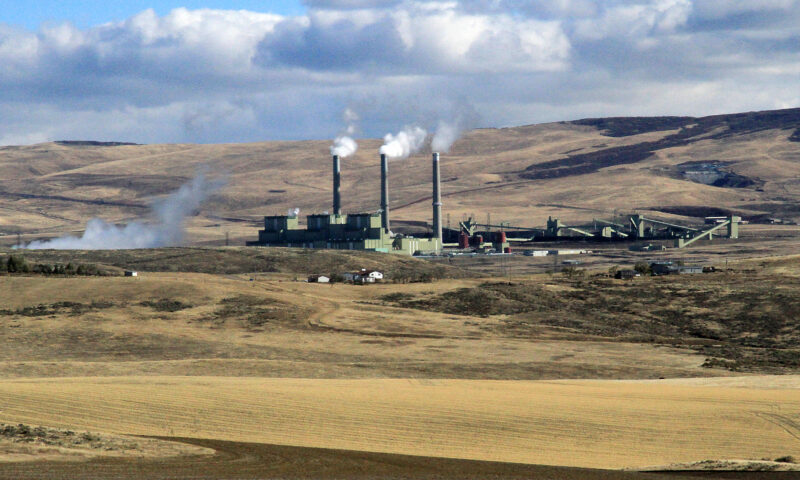
Why Coal Will Lead to More Deaths in Colorado
-

 Latest NewsJune 17, 2026
California Rideshare Drivers Move Toward Unionizing, Following Massachusetts
-
 Latest NewsJune 19, 2026
Sheriff’s, Probation Litigation Cost L.A. County Taxpayers $1 Billion, Study Finds