
Labor & Economy
Women Convicts Train for a Future
When Grammy Award-winning singer John Legend covered “Redemption Song” last week, his audience—hundreds of prisoners at the women’s prison in Washington State—may have the most grateful ears for such a liberating song.

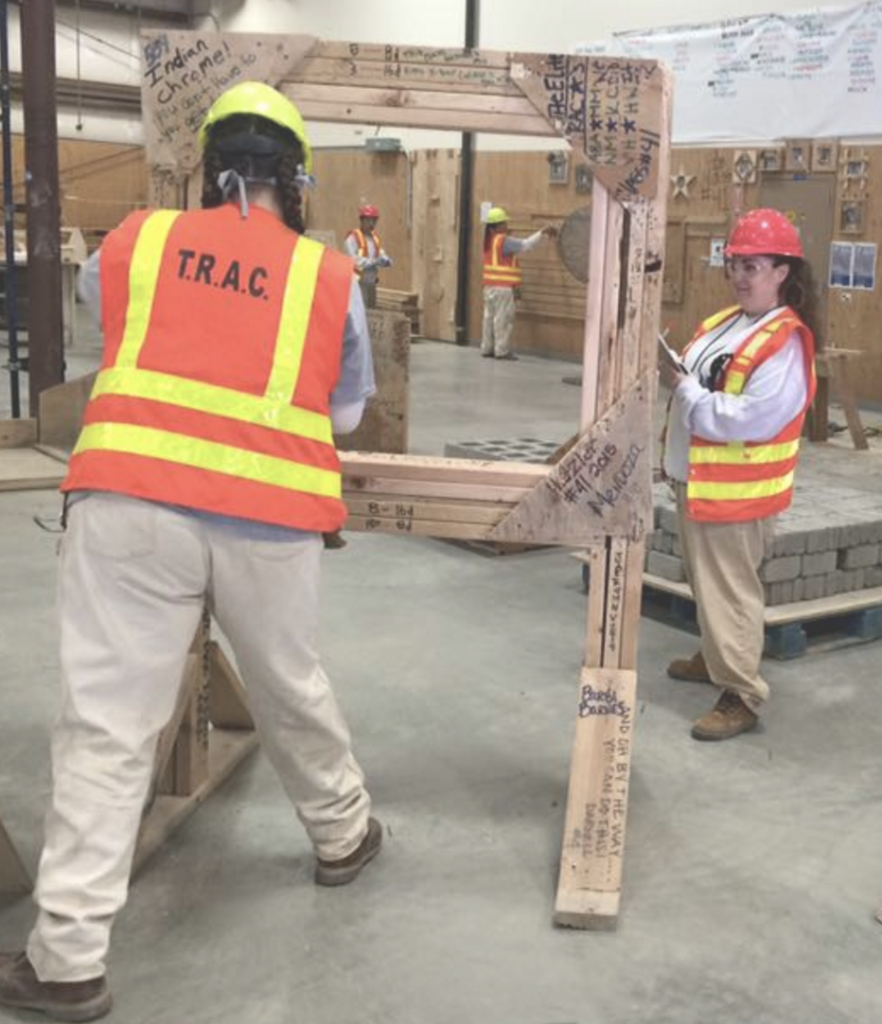
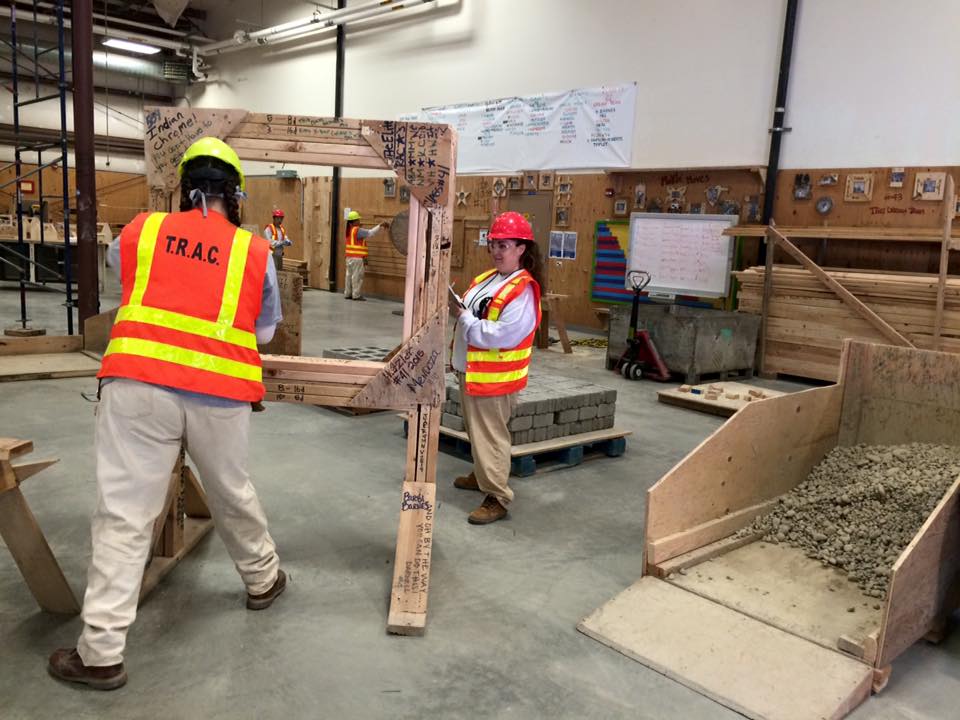
When Grammy Award-winning singer John Legend covered “Redemption Song” last week, his sound filled an unlikely venue. But his audience—hundreds of prisoners at the women’s prison in Washington State—may have the most grateful ears for such a liberating song.
He was visiting the prison, the Washington Corrections Center for Women, along with leaders of the AFL-CIO to highlight an innovative labor union partnership that’s been preparing prisoners there for return to society.
“The overarching story is [the criminal justice system] is not healthy right now,” Legend said, introducing the song. “We need to focus more on fairness, compassion, mercy and restoring people so they can be whole and go back into the community and live productive, compassionate, healthy lives.”
Before Legend’s visit, In the Public Interest joined with the National Employment Law Project (NELP) to release a new report to bring attention to how unions are creating job training programs nationwide to help people coming out of prison. Programs like Washington’s own Trades Related Apprenticeship Coaching (TRAC) program prepare prisoners and the formerly incarcerated for one of the most difficult parts of reentering society, finding work.
One the most effective ways to reduce prison populations is to help the formerly incarcerated get good jobs that pay living wages and provide decent benefits. Today, more than four out of 10 adult American offenders return to prison within three years of their release. Finding work can limit this recidivism, but all too often people are released without the skills needed in growing industries or the professional networks to access good jobs.
Washington Corrections Center for Women’s TRAC program trains incarcerated women in building and construction work, providing a leg up in earning entry into a union apprenticeship program that leads to a career with good wages and benefits. I was lucky enough to meet some of the women in the program several years ago, and their stories are inspiring.
Ending mass incarceration will succeed only if the formerly incarcerated have skills and jobs.
We highlighted a handful of successful training programs in our new report, but we’re looking for more—let us know if you’ve got one in your community.


-

 Deadly Dust: The Silicosis EpidemicMarch 13, 2026
‘My Lungs Had Nothing Left.’ Inside The Epidemic Killing Countertop Stonecutters.
-

 Latest NewsMarch 20, 2026
Is Kaiser’s Labor-Management Model Unraveling?
-
 Column - California UncoveredMarch 16, 2026
From Invisibility to Inclusion: A ‘Generational Shift’ on Menopause Care
-

 Pain & ProfitMarch 11, 2026
A Year After USAID’s Termination: The Impact Has Been ‘Devastating’
-

 Column - State of InequalityMarch 12, 2026
Kaiser Therapists Plan Strike Over Proposed AI Use, Chronic Understaffing
-

 Column - State of InequalityMarch 19, 2026
More States Are Taxing the Ultra-Rich — Washington Is the Latest
-

 The SlickMarch 10, 2026
Climate Chilled at New Mexico Legislature — Again
-

 Latest NewsMarch 24, 2026
It’s Getting Tougher to Teach LGBTQ History, Even Where It’s Required by Law