

Research shows that global warming will hit the American economy hard, particularly in the South.

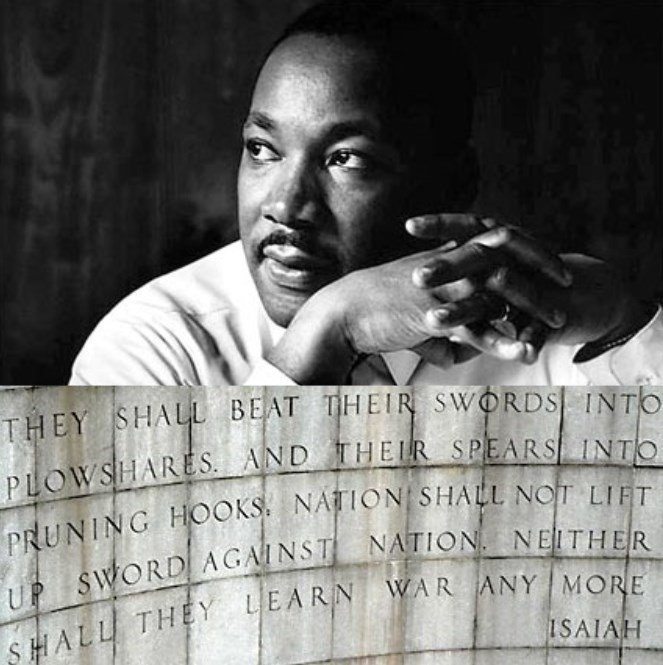
As this country hurtles into a New Year, I am grateful for the stop sign at Martin Luther King Jr.’s national holiday. It offers time for me to consider again the meaning of my life as well as to our national purpose. This year I am remembering that King’s life focused not only on civil rights, but also jobs. His vision of justice went beyond voting and equality to decent work for livable pay. That’s why he went to Memphis – to support striking garbage workers.
I am old enough to remember the early days of the peace conversion movement in the 1970s. Following the end of the war in Vietnam many people thought that the savings no longer needed for the military in that misadventure could be turned into social investments such as hospitals, schools and such, bringing good jobs with them. Again, at the end of the Cold War,
» Read more about: Peace and Jobs: A Conversion Conversation »


I’ve always thought that if the various Protestant denominations can be said to represent a socio-economic sector of American culture, then the people who made up the United Methodist Church (UMC) were the middle of the middle. I mean that across the country and particularly in this region, which includes Southern California, Methodists never wanted to be bothered about too much social or economic justice, and when they were it was a sign that even the center of the country was getting on board.
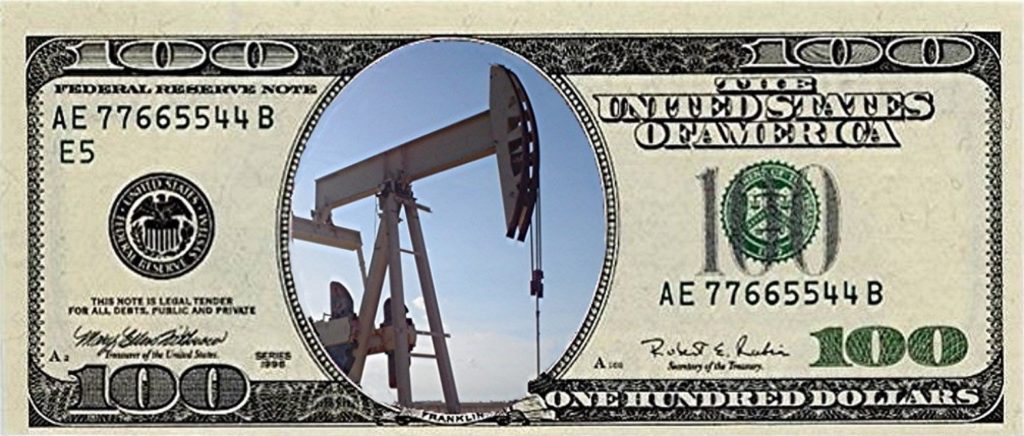
Arguments against divestment from fossil fuels parallel those against divestment from South Africa.
I can vividly remember when, in the early 1970s, the UMC in my region finally climbed on board the national grape boycott to support farm workers, just as I can recall when the Conference (as the regional body is called) decided to push for divestment in South Africa.
» Read more about: Climate Change and Oil Portfolios: Divesting in the Future »


Here’s the good news: The percentage rate of change in global carbon emissions in 2014 was zero. It didn’t go up. That’s the first time in the record books that the world economy grew but carbon emissions didn’t. Here’s the bad news: The average global temperature has been hotter every month since February of 1985 than the 20th century average for any given month. We’re talking 360 consecutive months of warmer-than-average temperatures.
Here’s the really bad news: If we continue to extract fossil fuels – coal, oil, gas – at the current pace, we will not be able to live on the planet by mid-century.
We must leave 80 percent of our coal, oil and gas in the ground, if civilization is to survive.
Here’s the science: Despite the climate deniers, the consensus of people who study this field professionally say that if we raise the temperatures of the planet more than two degrees Celsius (that’s about 3.6 degrees Fahrenheit) human life as we know it will not be possible.
» Read more about: Dethroning Fossil Fuels: The Rise of the New Abolitionists »