Labor & Economy
Our Crumbling Infrastructure: The Cost of Doing Nothing


What would it cost if the nation’s crumbling infrastructure of bridges, roads, rails, sewer systems, power grids, airports and more is allowed to deteriorate at its current pace? Some 3.5 million jobs and $3.1 trillion in lost economic output by 2020. What would it cost to avoid that? About $1.1 trillion in additional investment.
Sure sounds a like a great return on the investment and it is, according to a new report from the American Society of Civil Engineers (ASCE). The study, Failure to Act: The Impact of Infrastructure Investment on America’s Economic Growth, finds that:
Deteriorating infrastructure, long known to be a public safety issue, has a cascading impact on the nation’s economy, negatively affecting business productivity, gross domestic product, employment, personal income and international competitiveness.
ASCE finds that with an additional investment of $157 billion a year between now and 2020, the United States can eliminate this projected drag on economic growth and protect:
- $3.1 trillion in GDP, almost the equivalent of Germany’s entire GDP.
- $1.1 trillion in U.S. trade value, equivalent to Mexico’s GDP.
- 3.5 million jobs, more than the jobs created in the United States over the previous 22 months.
- $2.4 trillion in consumer spending, comparable to Brazil’s GDP.
- $3,100 in annual personal disposable income.
During the past Congress, President Obama urged lawmakers to approve the American Jobs Act that included a major investment in the nation’s infrastructure, but Senate Republicans successfully filibustered the bill and killed the jobs-creating legislation.
(Mike Hall is a former West Virginia newspaper reporter, staff writer for the United Mine Workers Journal and managing editor of the Seafarers Log. His post first appeared on Labor’s Edge and is republished with permission.)


-

 Column - State of InequalityMay 21, 2026
In California Governor’s Race, Xavier Becerra Walks Away From Single-Payer
-

 Latest NewsMay 22, 2026
Where California’s Gubernatorial Candidates Stand on Climate and Taking Big Oil Money
-
 The SlickMay 20, 2026
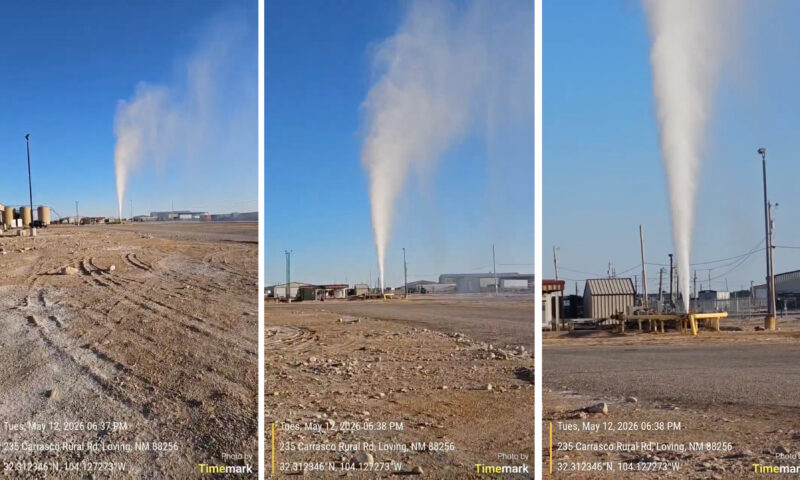
70-Foot Wastewater Geyser Reflects New Mexico’s Latest Oilfield Challenge
-
 The SlickMay 29, 2026
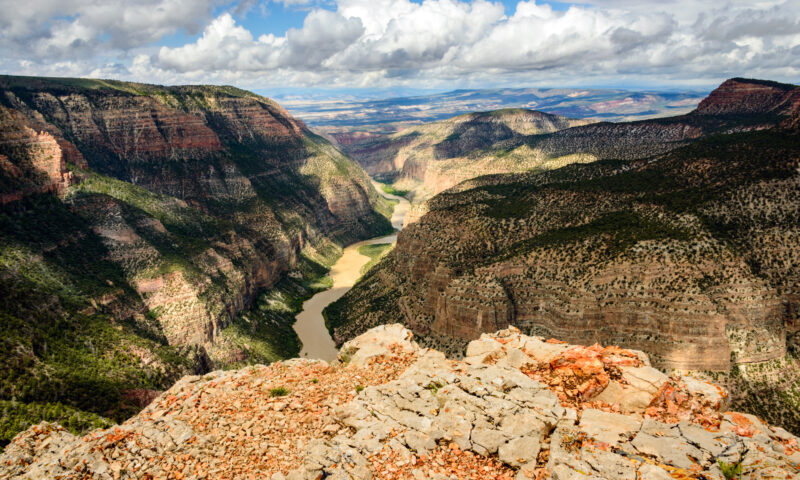
Feds to Open Tens of Thousands of Acres of Colorado Wilderness to Oil Drilling
-

 Latest NewsMay 18, 2026
Budget Cuts Threaten Program That Doubles Food Dollars for Californians in Need
-
 Deadly Dust: The Silicosis EpidemicMay 27, 2026
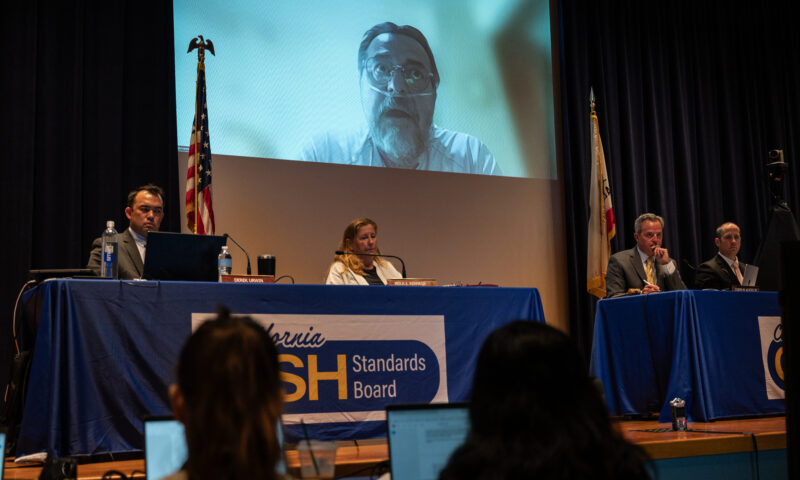
California Moves to Ban Quartz Countertop Fabrication to Combat Silicosis Epidemic
-
 Latest NewsMay 26, 2026
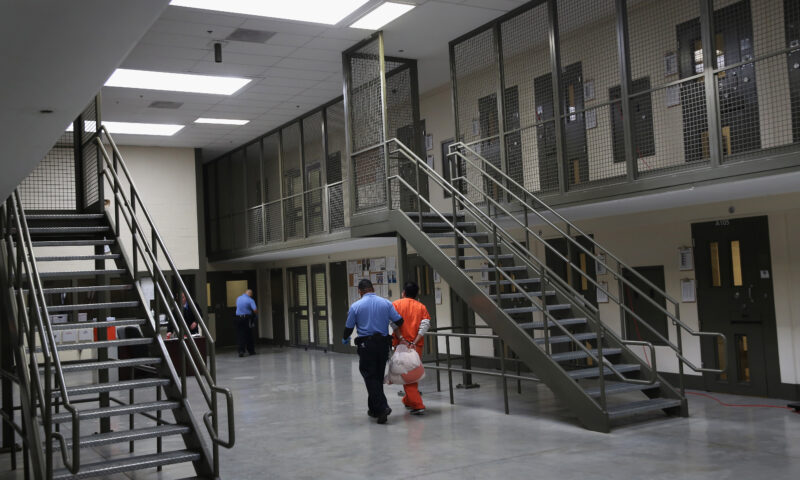
Conditions at California ICE Detention Centers Are Getting Worse, Inspections Find
-
 Imperial DivideJune 3, 2026
California’s Lithium Valley Dreams Meet Reality at the Only Restaurant in Town