Labor & Economy
Fraud on Wheels: D.C.’s Privatized Paratransit Service
Transportation is the backbone of a thriving and sustainable economy. Therefore, a public transit system should be judged by how it treats those that need it most, especially people with disabilities and our most marginalized communities.

Transportation is the backbone of a thriving and sustainable economy. Therefore, a public transit system should be judged by how it treats those that need it most, especially people with disabilities and our most marginalized communities.
The question we should ask is this: Can everyone get where they need to go — to their job, school or the grocery store?
If they can’t, then handing over control of public transit to the lowest bidder should be out of the question— for example, a private company, aiming to profit, doesn’t share this public purpose. Unfortunately, in many cities and counties nationwide, that’s exactly what’s happening.
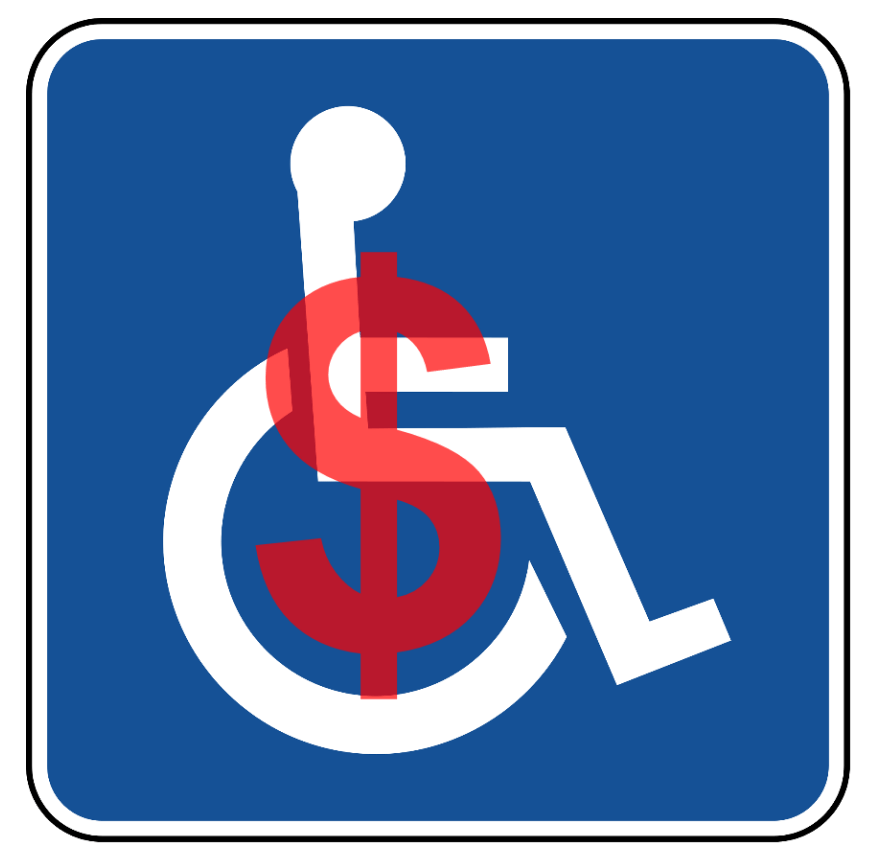
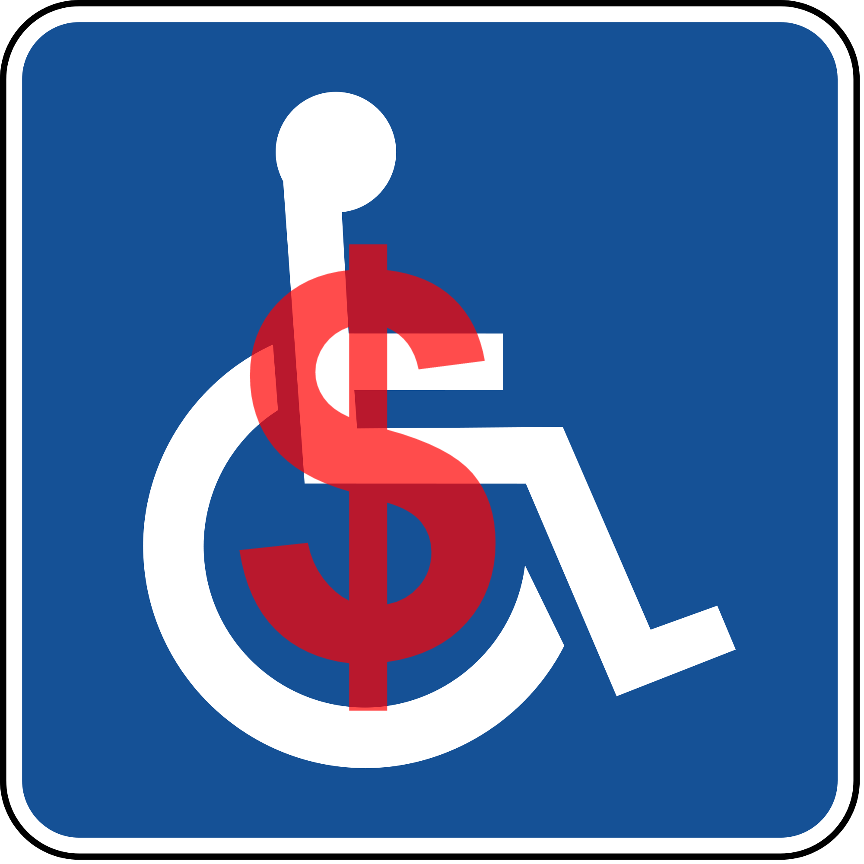
News broke last week that a private company transporting people with disabilities in Washington, D.C., billed the government for almost $200,000 in services it never provided. The paratransit contractor, MV Transportation, which even billed for transporting people who had long since died, chalked the fraud up to “billing errors.”
But MV Transportation’s issues are typical of a contractor cutting corners to increase profits. Is it a “billing error” when some paratransit drivers in D.C., because they are paid so little by contractors, have to rely on public assistance to keep afloat?
The money that MV Transportation took from the public—and the money spent investigating and cleaning up their “billing errors”—could’ve been invested in the city’s transit system, which like many across the country is struggling after years of underinvestment.
In the era of “smaller government,” every dollar counts. Just this week, a popular feature of D.C.’s paratransit service was dramatically cut back because of funding issues.
As we detailed in In the Public Interest’s latest report, Cutting Corners, contractors regularly harm the public, workers and the environment in pursuit of profit. Across a variety of public goods and services, and at every level of American government, companies put their bottom lines above the public purpose of providing middle-class jobs and quality services to everyone.
D.C.’s public transit needs investment, not privatization, which is clearly just another form of neglect.

-
 Latest NewsDecember 8, 2025
This L.A. Museum Is Standing Up to Trump’s Whitewashing, Vowing to ‘Scrub Nothing’
-

 Striking BackDecember 4, 2025
Home Care Workers Are Losing Minimum Wage Protections — and Fighting Back
-

 Child FarmworkersDecember 5, 2025
To Protect Underage Farmworkers, California Expands Oversight of Field Conditions
-

 Column - State of InequalityDecember 4, 2025
Can California Claw Back Some Medi-Cal Care?
-

 Latest NewsDecember 10, 2025
Capital & Main, L.A. Times Win Sidney Award for Reporting on Child Farmworkers
-

 StrandedDecember 9, 2025
Giving Up on the Dream: Asylum Seekers Try Other Options in Mexico
-
 Locked OutDecember 16, 2025
This Big L.A. Landlord Turned Away People Seeking Section 8 Housing
-
 Column - California UncoveredDecember 12, 2025
They Power the U.S. Economy, But Will Struggle to Afford Health Care