Environment
Historic Victory for Zero-Waste Campaign


The movement to make Los Angeles the country’s largest city to employ an exclusive franchise system for hauling its commercial and multi-family waste drew tantalizingly close to completion today, as the City Council voted 12-1 to replace the current Byzantine hodgepodge of trash pickup routes servicing businesses and apartment buildings with a completely different model. The historic vote took place this morning, with Councilman Bernard Parks providing the lone dissenting vote. Because the vote was not unanimous, a final vote must take place April 8.
Although the City of L.A.’s Bureau of Sanitation provides hauling service for houses and four-unit apartment complexes, a wild frontier system characterizes the remaining commercial and residential pickups, resulting in fleets of trash trucks, whose owners often pay their workers low wages, crisscrossing the city on uncoordinated schedules. The consequence has been extra wear and tear on roads, and increased air pollution.
The new system will divide the city into 11 pickup zones, with hauling companies compelled to offer competitive bids to win contracts for each of these zones. The exclusive franchise system will aid the city’s goal to drastically reduce the amount of trash dumped into landfills while holding contracted hauling companies to strict environmental standards and requiring them to adhere to tougher worker safety rules. Industry groups had argued that the plan would put hauling companies out of business and drive up consumer rates.
Under the new system, hauling companies that service businesses and apartment building will, for the first time, be required to provide plastic bins for solid, organic and recyclable waste material.
Councilman Jose Huizar, the original sponsor of the legislation, said, “After three years of intensive analysis and public input, I’m confident that Zero Waste LA will bring us cleaner trash trucks, more recycling, cost controls and superior customer service.”
The new system is expected to be implemented in early 2017.



-
 Imperial DivideJune 3, 2026
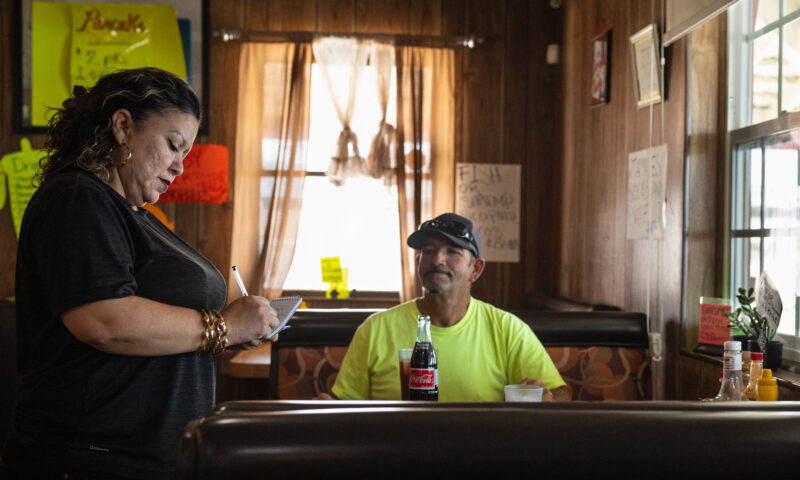
California’s Lithium Valley Dreams Meet Reality at the Only Restaurant in Town
-

 Column - State of InequalityJune 4, 2026
California’s Economy Runs on Labor Trump Wants to Deport
-

 Featured VideoJune 5, 2026
At This New Mexico Park, Mountain Bikers Pedal Amid Hundreds of Oil Wells
-

 Latest NewsJune 9, 2026
Ousted by the Trump Administration, U.S. Immigrants Remain Locked up in African Kingdom
-
 The SlickJune 10, 2026
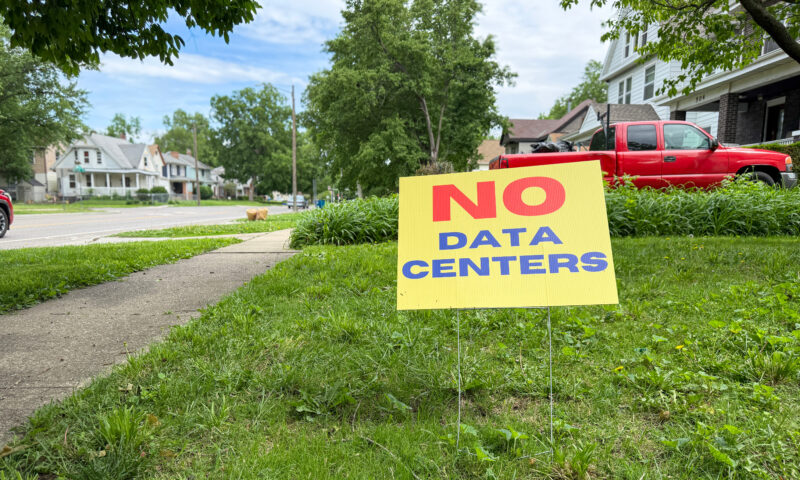
Data Centers Are on the Ballot — This Pennsylvania Candidate Won Her Primary Keeping Them Top of Mind
-

 Latest NewsJune 8, 2026
The Glacier May Be Gone, but the Love Isn’t
-
 Latest NewsJune 12, 2026
California Town Lets Private ICE Detention Centers Police Themselves
-
 Column - State of InequalityJune 11, 2026
County Tax Measures Show Limits of Local Responses to Medicaid Cuts