Labor & Economy
Hispanic Heritage Month: Living Legacies
Seventy-seven years ago, in March 1939, Juan Fabian Fernandez of New Mexico opened a session of the National Congress of the Mexican and Spanish-Speaking Peoples of the United States in downtown Los Angeles. He stood out as the only Latino state legislator present, but he was not the only politico there.


Dolores Huerta (Photo: Eric Guo)
Seventy-seven years ago, in March 1939, Juan Fabian Fernandez of New Mexico opened a session of El Congreso de los Pueblos Mexicanos e Hispanos Americano de los Estados Unidos (National Congress of the Mexican and Spanish-Speaking Peoples of the United States) in downtown Los Angeles. He stood out as the only Latino state legislator present, but he was not the only politico there. Seeking to bring the New Deal to California, Latinos, labor and the left had banded together the previous year to elect a slate of progressives, led by California Governor Culbert Olson.
Members of El Congreso cheered when the new lieutenant governor, Ellis Patterson, addressed them: “I pledge to you that President Roosevelt and the present administration in California is sincerely fighting to bring real democracy into being!”
Author and Olson administration official Carey McWilliams also spoke about the anti-immigrant bills in Congress, then being championed by representatives from the segregated Deep South. Elements of this California New Deal coalition clearly supported El Congreso. Sponsors included actor Melvyn Douglas and his wife Helen Gahagan Douglas, a future California Congresswoman.
Politics in California, then as now, was to the left of New Mexico’s. However, voters in New Mexico had done a much better job of electing Spanish-speaking elected officials, beginning with Dennis Chavez, who was then serving in the U.S. Senate.
Latinos had been in New Mexico for 400 years, and Representative Fernandez, who had run for office to improve the lot of working families, symbolized a long tradition of civic engagement. While serving in the state legislature, the 31-year-old miner also served as secretary-treasurer of the 600-member CIO Mine-Mill workers’ union local at the American Metal Company in Tererro, a gritty coal town. He was allied with a group of labor and community activists that included leaders of the Liga Obrera de Habla Español, or Spanish-Speaking Workers League. Together, these Latino leaders developed an agenda revolving around the right to organize workers and an increase in the level of relief for the unemployed. What was needed was someone to promote the agenda in New Mexico’s state capitol. So Fernandez and an AFL official secured the Democratic Party nomination and won seats in the state’s House of Representatives.
The founding of El Congreso provided the opportunity to meet with like-minded people from around the nation and held the promise of forming a national movement to empower Latinos within the framework of President Roosevelt’s New Deal.
Unfortunately, El Congreso proved to be short-lived, and Fernandez served only one term in the state legislature. Still, this New Mexico Solon deserves greater recognition and placement in the pantheon of Latino political pioneers. From the vantage point of history, Fernandez’s most lasting legacy is not his role within El Congreso or a legislative bill or a negotiated union contract. His greatest legacy is his daughter: Dolores Huerta.
In her speech to the 2016 National Democratic Convention in Philadelphia, the Latina icon spoke proudly of her father, a man who became a long-distance mentor after she moved, as a young girl, with her mother from New Mexico to Stockton, California.
In 1960, then working for the Community Service Organization, Huerta played a leading role in registering 140,000 Mexican Americans to vote for John F. Kennedy, before she became a principal leader of the farm-workers movement. To better understand her Philadelphia reference to her legislator father—his foray into Latino politics during the 1930s and her connection to that history—watch Huerta’s speech.
Hispanic Heritage Month begins September 15 and runs through October 15.



-
 The SlickMay 29, 2026
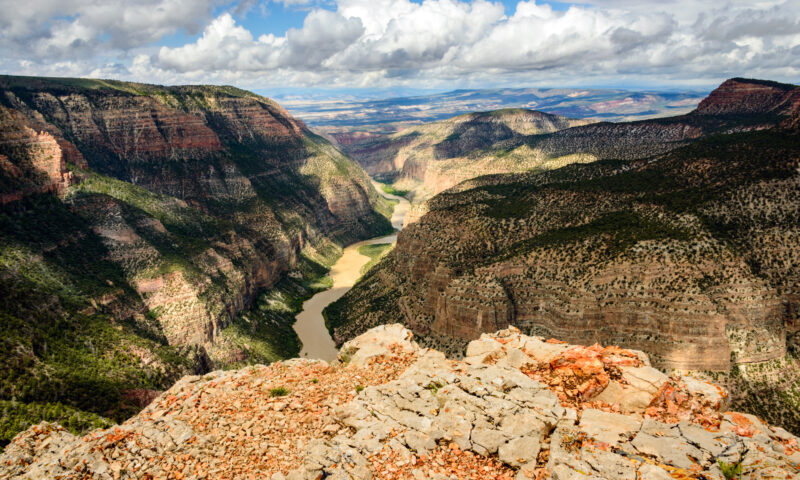
Feds to Open Tens of Thousands of Acres of Colorado Wilderness to Oil Drilling
-
 Deadly Dust: The Silicosis EpidemicMay 27, 2026
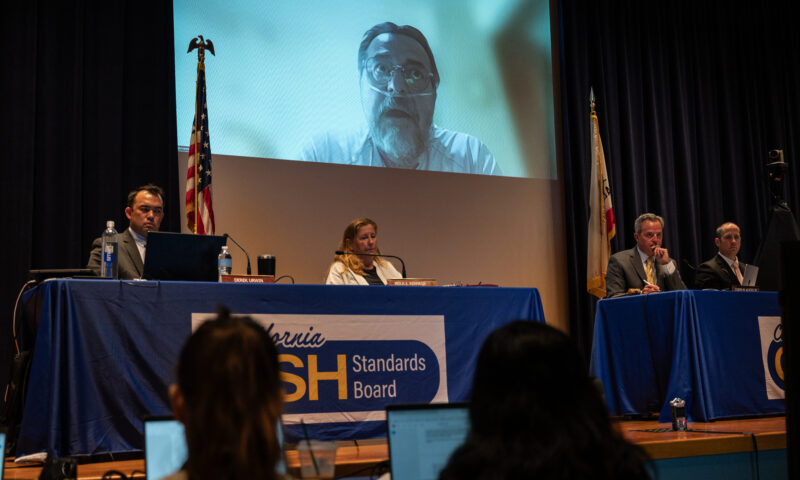
California Moves to Ban Quartz Countertop Fabrication to Combat Silicosis Epidemic
-
 Latest NewsMay 26, 2026
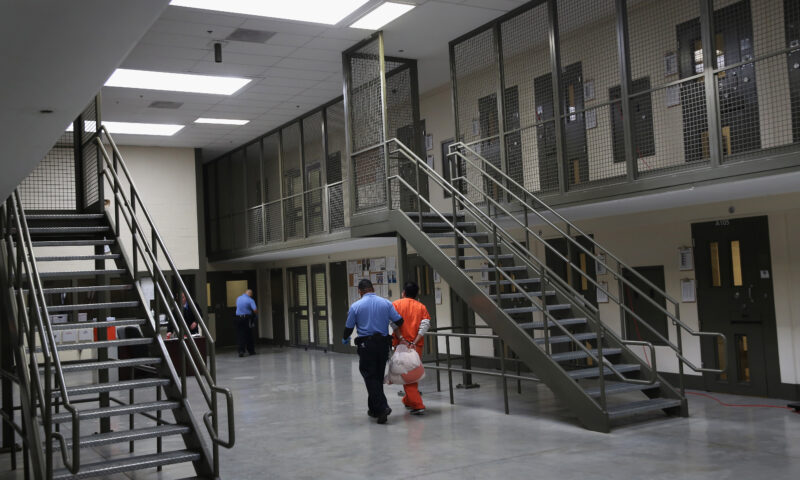
Conditions at California ICE Detention Centers Are Getting Worse, Inspections Find
-
 Imperial DivideJune 3, 2026
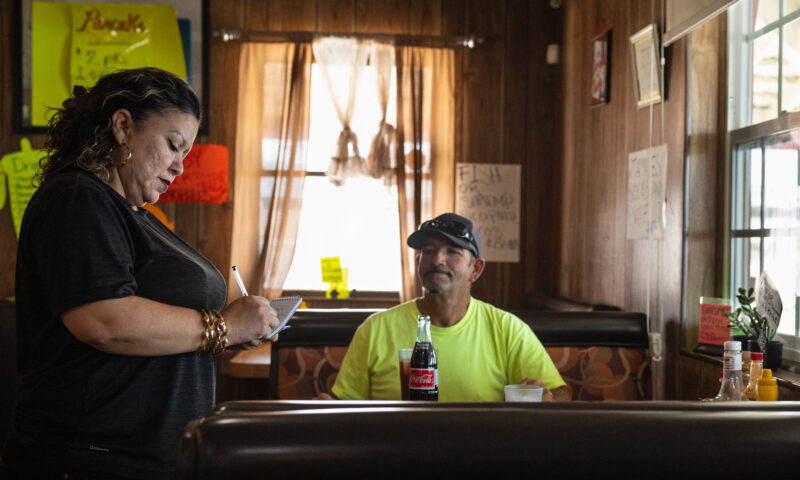
California’s Lithium Valley Dreams Meet Reality at the Only Restaurant in Town
-
 Column - State of InequalityMay 28, 2026
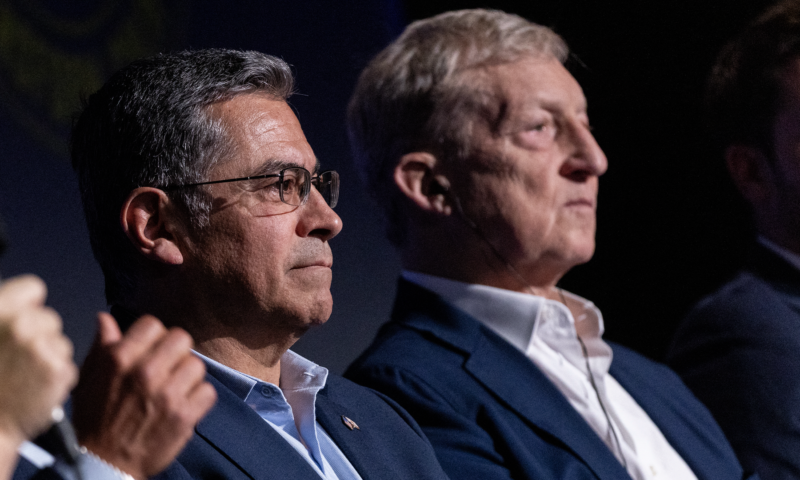
Top Democratic Candidates Agree on Housing Urgency, Not the Fix
-
 Latest NewsJune 1, 2026
Deep Cuts to Civilian Support Staff for Families of Deployed Marines Raise Concerns
-
 Column - State of InequalityJune 4, 2026
California’s Economy Runs on Labor Trump Wants to Deport
-
 The SlickJune 5, 2026
At This New Mexico Park, Mountain Bikers Pedal Amid Hundreds of Oil Wells