
Column - State of Inequality
Can California’s New Immigrant Laws Help — and Hold Up in Court?
Experts are watching whether state protections can help shield immigrants from Trump’s crackdown and survive legal challenges.
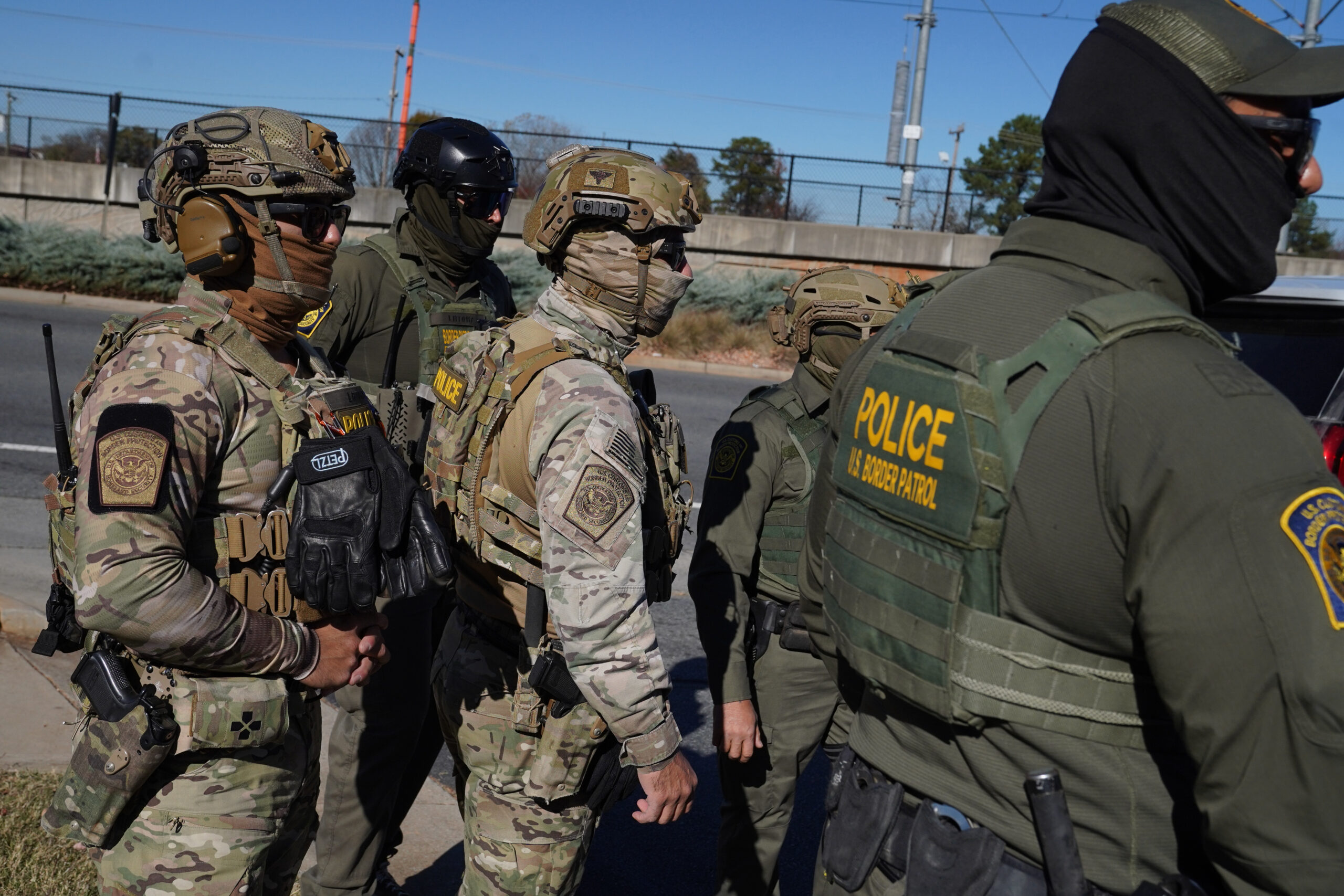

No single measure by California lawmakers will prevent the Trump administration from coming after the Golden State’s immigrant population. The battle against President Donald Trump’s campaign to instill fear in immigrants — of arrest, deportation, incarceration — will be waged in the courts at least as much as it will in the halls of the state Capitol.
Still, California’s Democrat-powered Legislature has passed a series of measures that, taken together, provide immigrant families with some protections against ICE raids and other intimidation tactics. It’s the most ambitious and voluminous set of such measures in the country, befitting a state whose 10.6 million immigrant residents comprise nearly a quarter of the foreign-born population of the United States.
Last fall alone, Gov. Gavin Newsom signed a flurry of bills — at least eight, by Capital & Main’s count — that push back in some way on Trump’s anti-immigrant campaign. Included are measures preventing immigration enforcement officers from blowing onto school grounds and health facilities without valid warrants, as well as regulations forcing immigration officers to identify themselves and come in unmasked.
Trump’s administration has already sued to block the ban on masks, and other suits are likely to follow. But as 2026 gets under way, immigration experts are watching closely to see how effective these California measures will prove to be — and which of them survive the legal process.
* * *
Tellingly, perhaps, one of the most controversial and hard-fought pieces of legislation is designed simply to comfort immigrant families if the worst happens.
Written by Assemblymember Celeste Rodriguez (D-San Fernando), the law greatly expands the list of adults from which parents can choose to care for their children if the parents are deported. The list of those who can sign a caregiver’s authorization affidavit includes distant relatives, godparents, stepparents, great-great grandparents and others. Once designated, they have the right to enroll the children in school and authorize medical and dental care in the parents’ stead.
The bill, AB 495, also allows parents to designate a temporary legal guardian for their children in custody proceedings, and it prevents daycare providers from collecting immigration information about children or their parents. It went into effect Jan. 1.
Republicans and some conservative groups staunchly opposed Rodriguez’s measure, arguing that the expanded list of caregivers would be impossible to vet and make it easier for children to be trafficked. Newsom lingered over the bill for weeks before signing it into law one day before his deadline for doing so last October.
“I think AB 495 will have a significant impact in assisting — and calming — immigrant families,” said immigration expert Kevin Johnson, a professor and former law school dean at UC Davis, who writes regularly on immigration issues.
“Families are planning on what to do if one or both of the parents are deported,” Johnson added. “Increasing the possibilities for parents will likely reduce anxiety by opening up options.”
* * *
Several other California measures are now in effect or will kick in later this year. Most are designed to stiff-arm Trump’s attempts to overrun schools, health facilities and other public spaces by sending in masked and often unidentified agents on immigration raids, terrorizing workers and families in the process.
The most widely discussed of those measures is Senate Bill 627, the so-called No Secret Police Act. Written by state Sen. Scott Wiener (D-San Francisco), the law forbids the use of masks by local, state and federal officials, with a few exceptions (SWAT teams, undercover agents, etc.). It requires law enforcement agencies to put such policies in place by July 1.
“It is unacceptable that government agents, guns in hand, have seized our neighbors while wearing masks under the pretense of protecting themselves when they are, in fact, hiding from public accountability and sowing fear to intimidate the American people,” Newsom said in signing the bill last September.
Johnson, the immigration expert, said the law provides “moral support” to California’s immigrant community, but noted that federal law enforcement officers are generally governed by federal law, not state legislation. The Trump administration quickly opposed the measure in court, with federal court hearings in Los Angeles yet to determine its fate.
Some other California immigration-related laws:
- Assembly Bill 49 forbids school officials from allowing immigration officers to enter any nonpublic area of campus without a valid warrant, subpoena or court order. Senate Bill 81 extends the same type of protection to hospitals and other health facilities. Both bills also forbid school and health workers from disclosing or sharing the immigration status of patients, children and families.
- Senate Bill 805, also known as the No Vigilantes Act, requires nonuniformed law enforcement operating in California to identify themselves by visibly displaying their agency and their name or badge number. “The public must be able to distinguish between actual law enforcement and people who may be police impersonators,” said the bill’s author, state Sen. Sasha Pérez (D-Pasadena).
- Assembly Bill 1261 requires the state to provide legal counsel to unaccompanied minors who are trying to navigate federal immigration removal proceedings. Author Mia Bonta (D-Oakland) said the bill was a victory for the roughly 11,000 minors placed in that situation each year. The law largely replaces a federal program that was mostly shuttered by the Trump administration last year.
- Senate Bill 281 clarifies that California courts have to read verbatim a note explaining to defendants that they can be deported, denied naturalization or barred from entering the U.S. if they plead guilty or no contest to a crime. The law is meant to reduce the possibility that noncitizens, often those who speak little or no English, enter guilty pleas without realizing the potential consequences of their actions.
None of these laws, taken by itself, is going to prevent the Trump administration — and particularly California-born Stephen Miller, the architect of the immigration raids in the Golden State — from continuing assaults on the state’s immigrant population. But each law in some way echoes the resistance to anti-immigrant sentiment that the state demonstrated during Trump’s first term.
“Immigrants have rights,” Newsom said during a signing ceremony for several of the new laws last September in Los Angeles. “And we have the right to stand up and push back.”
Copyright 2026 Capital & Main



-
 The SlickMay 29, 2026
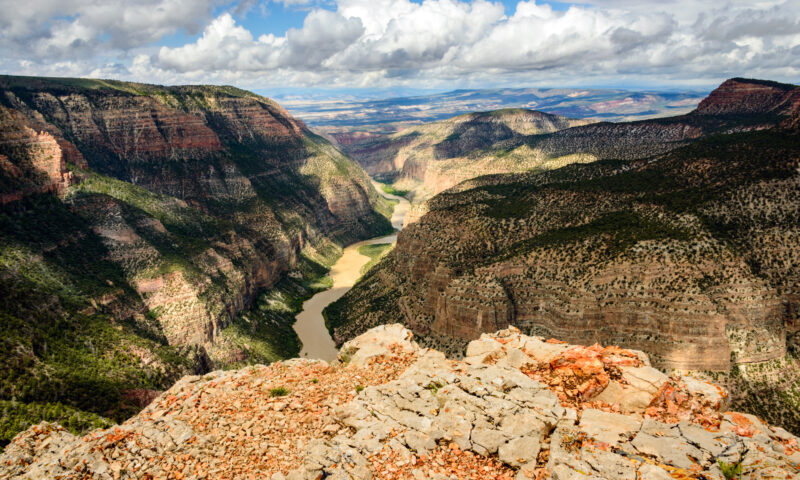
Feds to Open Tens of Thousands of Acres of Colorado Wilderness to Oil Drilling
-
 Deadly Dust: The Silicosis EpidemicMay 27, 2026
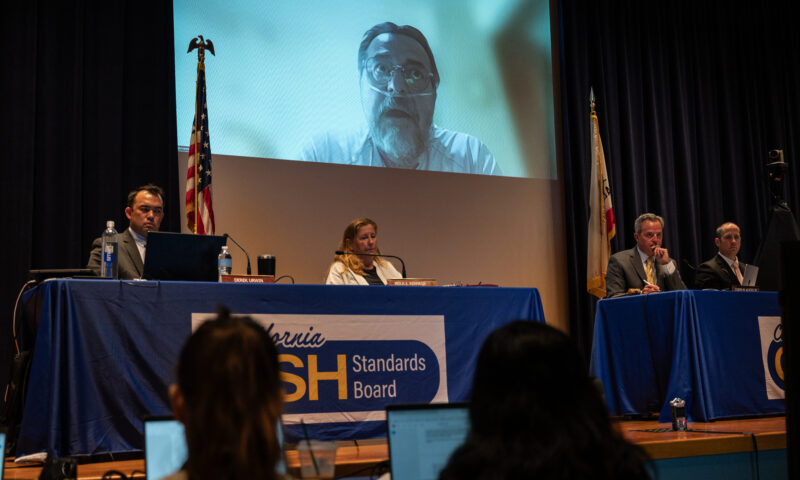
California Moves to Ban Quartz Countertop Fabrication to Combat Silicosis Epidemic
-
 Imperial DivideJune 3, 2026
California’s Lithium Valley Dreams Meet Reality at the Only Restaurant in Town
-

 Column - State of InequalityMay 28, 2026
Top Democratic Candidates Agree on Housing Urgency, Not the Fix
-

 Latest NewsJune 1, 2026
Deep Cuts to Civilian Support Staff for Families of Deployed Marines Raise Concerns
-

 Column - State of InequalityJune 4, 2026
California’s Economy Runs on Labor Trump Wants to Deport
-
 The SlickJune 5, 2026
At This New Mexico Park, Mountain Bikers Pedal Amid Hundreds of Oil Wells
-
 Latest NewsJune 9, 2026
Ousted by the Trump Administration, U.S. Immigrants Remain Locked up in African Kingdom