
Society
Immigrants, Assimilation and the New Economy


A recent report, “Assimilation Tomorrow: How Immigrants Will Integrate by 2030,” published by the Center for American Progress (CAP) is a very important read despite its rather dry title. It is an economic crystal ball that focuses on measuring the ability of immigrants to assimilate into American society. Not surprisingly to those of us who have grown up in immigrant families and/or lean to the progressive side, immigrants have been and are integrating, whether it be through home ownership, naturalization, learning English or other ways of contributing to society’s well-being and need for diversity.
For me, CAP’s study stirred fond thoughts about my own family’s history and our journey to becoming middle-class Americans from the rural depths of Southern China over three generations. A trip I took to China in 2008 showed me the discrepancies between my family’s humble beginnings (chickens running around and dirt roads) and the markers of our success in the U.S., including my parents’ nice suburban home and the degrees both me and my sister earned from the University of California.
L.A. Times columnist Hector Tobar wistfully brings up the same point in a recent column, but through the kaleidoscope of his own immigrant parents and his East Hollywood upbringing. He similarly contrasts the great progress (via educational and job opportunities) afforded his parents, who had come from impoverished 1960s Guatemala, with the grimmer fates of more recent immigrants.
CAP’s report confirms this new standard of “mobility denied.” While immigrants of all nationalities are on the whole improving their financial and cultural standing in America, the study points out that “…such broad gains should not be taken for granted because past rates of immigrant advancement depended at least in part on economic growth and public investments in education and other supports—all of which are now threatened.”
Legal barriers aside, the recession isn’t, of course, helping anyone. Yet newer immigrants, as the CAP report asserts, are on the precipice of full integration. On the one hand, they are being denied opportunities that all immigrants, regardless of background, could once access by a Congress hell-bent on vote pandering. Yet the demand for their labor will hit a new, even higher peak as Baby Boomers retire en masse and the number of jobs in the service industries increases in the coming decade. This is our new economy, folks.
What does this mean for our future? With border-building tirades against “job stealers” and massive unemployment, is the integration of immigrants even a priority?
The answer must be yes, because if we deliberately choose to ignore the successful integration of immigrants, we will doom the growth of the U.S. economy and create an inequitable America in which few have the ability to prosper. Let’s take a second to imagine what that actually would look like. I picture a disenfranchised country of crumbling infrastructure, large income inequality, an undereducated workforce, a large population of impoverished elderly Americans without Social Security and a growing population of their poorly paid, culturally illiterate and isolated immigrant replacements raising their children in poverty.
The more well-paying, entry-level opportunities we provide, the greater chance that more recent immigrants and all unskilled, low-income Americans will lift themselves out of poverty. This includes African-American, Asian-Pacific Islander (especially Southeast Asians), Latina/o, Middle Eastern, Native American and European-American (Midwest and South) communities.
In a time of scarce jobs, this means we must approach all new job creation strategically as opportunities to thoughtfully create the best jobs we can for everyone. And as immigrants become a larger and larger part of our workforce, we need to make sure that American labor laws and wages are upheld for the next generation of Americans, whether they are native-born citizens, naturalized citizens or undocumented immigrants.
These issues clearly point to the need for living wage ordinances, project labor agreements with targeted-hire provisions, accessible higher education and other efforts not only to reduce poverty, but ultimately create a better integrated, civically engaged and more cohesive American society.


-

 Column - State of InequalityMay 21, 2026
In California Governor’s Race, Xavier Becerra Walks Away From Single-Payer
-
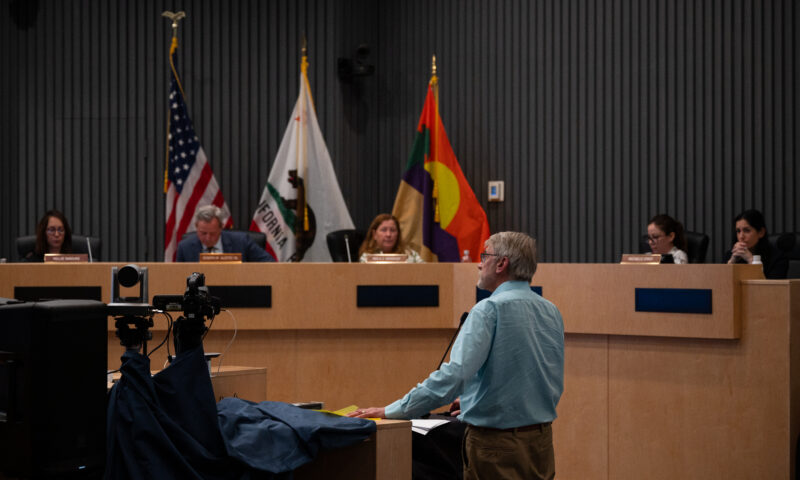
 Deadly Dust: The Silicosis EpidemicMay 6, 2026
California Could Be the First State to Ban Quartz Countertops
-

 Latest NewsMay 11, 2026
Inside the Texas Water Crisis Pitting Residents Against Industry
-
 Column - State of InequalityMay 7, 2026
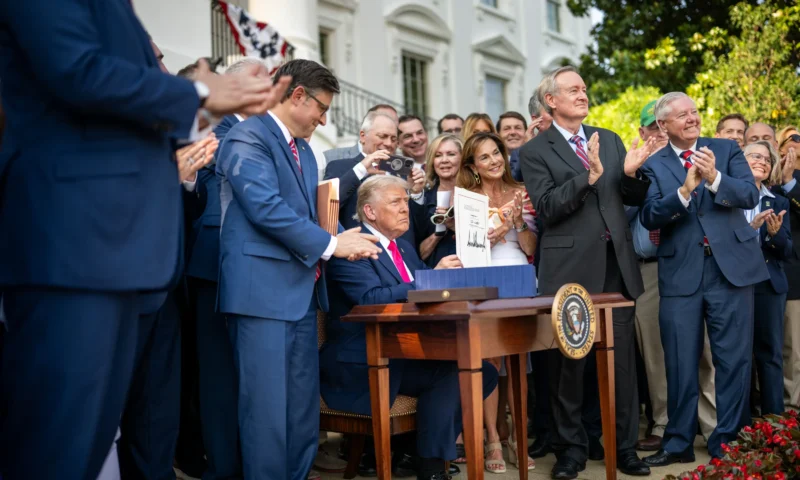
California Lawmaker Proposes Fix to Blunt Loss of Food and Health Aid
-
 Latest NewsMay 8, 2026
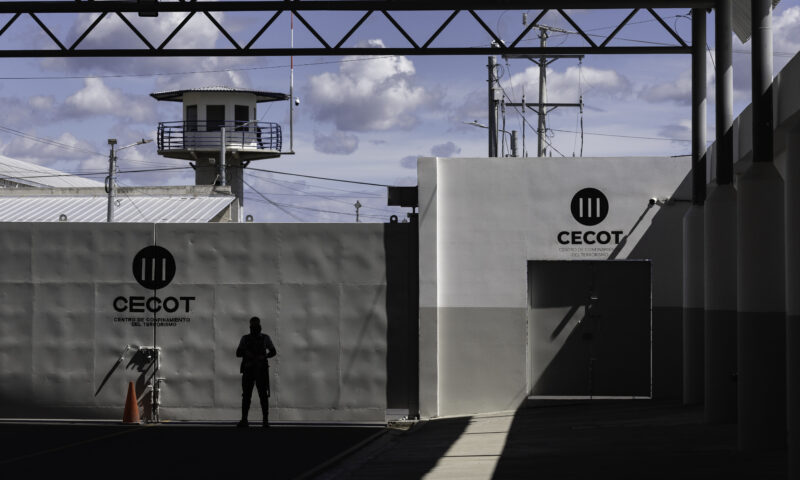
Salvadoran Man Says He Suffered Stroke While Awaiting Deportation to Torture Prison
-
 Featured VideoMay 8, 2026
The Lung Disease That’s Killing California Stonecutters
-
 Latest NewsMay 15, 2026
California Hazardous Waste Rules Criticized as Years Late and ‘Polluter-Friendly’
-
 Latest NewsMay 22, 2026
Where California’s Gubernatorial Candidates Stand on Climate and Taking Big Oil Money