The Slick
Data Centers Are on the Ballot — This Pennsylvania Candidate Won Her Primary Keeping Them Top of Mind
As data centers grow as an election issue, a state House candidate hopes her opposition will finally propel her to victory.
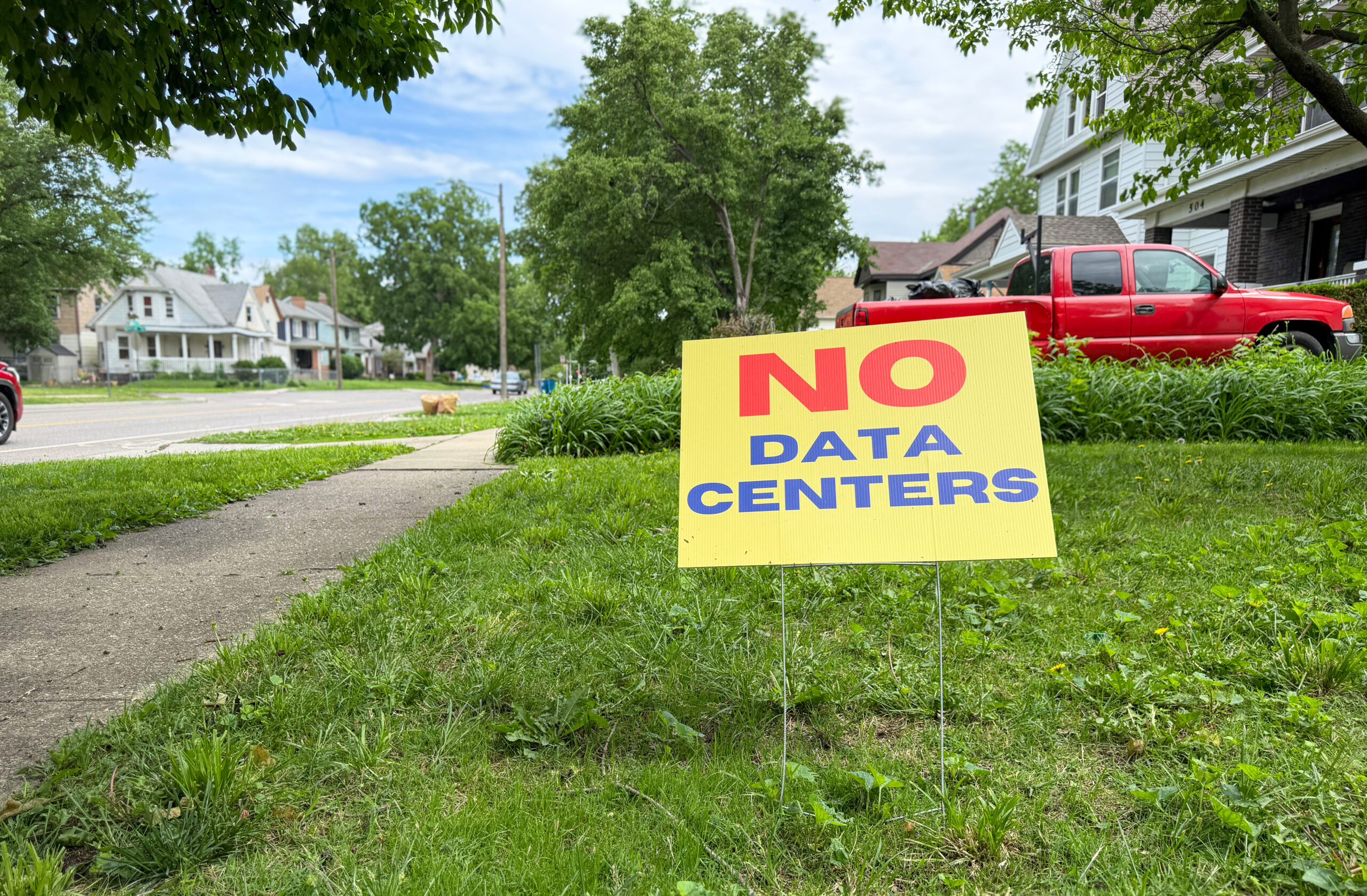

Across the country, as proposals for energy-intensive data centers are popping up to power the artificial intelligence boom, so too are communities rallying in opposition to them.
It’s no different in Dallas, a Pennsylvania township of just 2,500 people west of Scranton. There, lifelong regional resident Fern Leard, a Democrat in a swing county with a rich legacy of coal production in which President Donald Trump took 60% of the vote in 2024, is running her third campaign in five years for the state House on a platform where she’s put her opposition to data centers front and center.
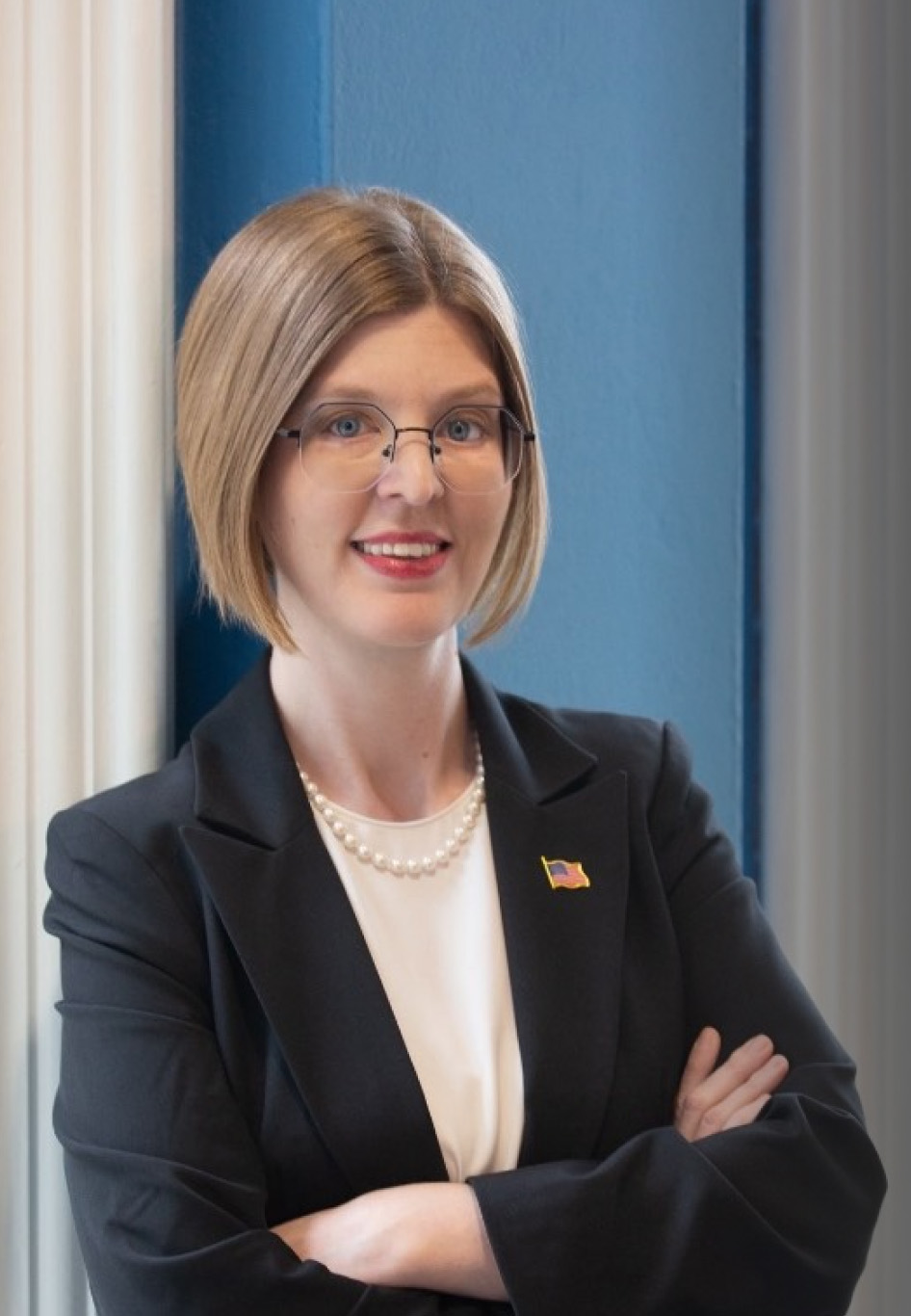
Fern Leard.
Throughout the nation there are more than 1,500 data centers in various stages of development. Sixty-six of them are in Pennsylvania, according to Data Center Proposal Tracker, a tool built by a Scranton resident. But keeping track of these projects, which are emerging rapidly, is not an exact science. Other studies put these numbers much higher, and some far lower.
The town of Archbald, some 35 miles north of Dallas, has five in the planning stage. Seeking to get ahead of any possible projects coming their way, Dallas township supervisors in March adopted a zoning ordinance that put restrictions on the facilities, and Leard was heavily involved in the effort. After beating her primary opponent by 15 points, she will, for the third time this decade, forge ahead to the general election.
But this year, the political calculus for races like this is evolving. “The district has swung red in the past, but we’re going to change that,” Leard said. She must now face one-term incumbent Rep. Brenda Pugh, a pro-energy Republican with a mixed voting record on data center regulations.
In February, environmental news startup Heatmap found that 52% of more than 2,000 survey respondents from across the country oppose or strongly oppose the idea of a data center being built near their home. (Only 28% said they would support or strongly support it.) The percentage opposed is up from 42% just a few months prior while the percentage supporting is down from 44% in that September poll.
This opposition, Heatmap reported in March, has come from both the left and the right, creating a dynamic that could be daunting for data center developers. Races across the country, within both parties and at all levels of politics, are being upended by the steadily growing data center backlash. In Georgia, a gubernatorial runoff election will decide who faces off against Democrat Keisha Lance Bottoms, who supported freezing construction of data centers. In Maryland, three county council hopefuls for the region immediately east of Washington, D.C. have built platforms on data center opposition.
And in Northeastern Pennsylvania, as Archbald’s data center proposals have grown in number, so, too, has a Facebook group organizing residents to stop them. The group has nearly 13,000 members, close to double the number of residents in the borough itself. Members have posted repeated calls for “No Data Center” candidates; in May, the Independent Democratic Coalition of Northeastern Pennsylvania released a list of 14 such candidates. Nine of them are Democrats; five are Republicans.
Capital & Main talked to Leard shortly after her primary win in May about her experiences on the campaign trail in a district where data centers are a potent political topic. This opposition, she said, is “bringing everyone together.” It’s “more of a movement at this point than it is an issue.”
This interview has been edited for clarity and brevity.
Capital & Main: Congratulations on your primary win. In addition to running an active campaign for state House, you’ve also been involved in your township and the broader region as it’s seen an influx of data center proposals. When did you start getting involved in that effort?
Fern Leard: Our township decided, I believe it was late September or early October, that they wanted to put a land use ordinance in place for data centers, and not necessarily to bring one here — they kept telling us that “no one is interested, no one is interested, we’re just doing this as a preventative measure,” but they said “no one is interested” too many times for comfort. I made it very clear when I learned that they were writing it, before they even put it out to the public for a hearing, that we don’t want these here. Just so we’re very clear, no one wants them here. We also felt what was going on out in Archbald, and some of the other areas around here, where they are in the fight of their life.
We felt that the ordinance that our township had written was really weak — that it didn’t have enough teeth. What we want is something so restrictive that data center developers don’t want to come here. We sat down and started looking at other ordinances that were being passed around the area, and we came up with a proposal for changes that we would like to see, and we sent it over to them, and it was probably 18 or 19 pages of changes. They didn’t give us 100% of what we were looking for, and we are suggesting more changes, but I would say that 90% of them made it in.
We’ve seen this in the Northeast before. We’ve seen it with fracking, and before that, we’ve seen it with coal. These corporations come in, they deplete all of our resources, and then we’re left holding the bag. I’m very much against that, and the more I learn about data centers, the less I like them.
How has resident turnout at some of these local township meetings been compared to before data centers were on the table?
Huge. When the ordinance first came — our township meeting room allows 40, maybe 50 people — the line was out the door.
The next one had to be in the high school auditorium. I’ve attended township meetings where I was the only person not connected to the township present.
The people are coming together on this. The party divide that we have seen for so long has disappeared with this issue. The people are standing united against it, and we consistently feel like the majority of our elected officials are standing together against us.
What have you been hearing from voters on the campaign trail and from your neighbors as you’re working on local advocacy on this issue — about how data centers are affecting the way they show up at the ballot box?
The biggest thing that I have heard was the finances. Affordability is a huge issue everywhere, but when you look at it here, we have seen in other areas that the utility bills skyrocket, we get stuck paying for the infrastructure, we get stuck paying for the extra power, we get stuck losing the water, and all of those things that come along with it. It’s bad for our ecosystem, it’s bad for our local wildlife, and so on.
So, it depends on who you talk to. Some people are really concerned about their property values. So, it’s huge. But what it is doing is it’s bringing everyone together. It’s more of a movement at this point than it is an issue, because we know that in order to make this go away, essentially, that we need to stand together and we need to hold our elected officials accountable for what they’re doing.
You’ve won two primaries before, and lost two general elections. Do you think your centering of data center opposition could get you across the finish line this year?
Some people, if they become single-issue voters around the data centers, then, yeah, absolutely. I mean, everybody knows that I am very critical of them. But I think it’s really more our momentum on the ground that we are people focused, that we’re actually keeping it local.
You’ve advocated for a three-year moratorium on data centers in the state, and also criticized other bills that have passed in the Legislature as not doing enough to protect residents from these projects. What does meaningful reform look like?
The three-year moratorium is so we know what it is that we’re looking at. Right now, we’re going into it blindly. We have the advantage of not being first here. This has happened in other states. So, we should be able to take advantage of this. This is not another Dimock [where the early fracking boom took hold]. Or, at least, it doesn’t have to be.
You are far from the only candidate running this year with data centers in the background of their campaign. What have you learned on the campaign trail thus far that other politicians could benefit from?
Listen to the people who are electing you. Listen to what they want. Because your decisions are affecting our quality of life. We are the ones who have to live here, we live with the consequences of those decisions, and nobody elected anybody to make our lives miserable. Where I live, I like to say nobody moved to the country to live in the city. And we certainly didn’t move here to live in an industrial zone.
Copyright 2026 Capital & Main


-

 Column - State of InequalityMay 21, 2026
In California Governor’s Race, Xavier Becerra Walks Away From Single-Payer
-

 Latest NewsMay 22, 2026
Where California’s Gubernatorial Candidates Stand on Climate and Taking Big Oil Money
-
 Latest NewsMay 15, 2026
California Hazardous Waste Rules Criticized as Years Late and ‘Polluter-Friendly’
-
 Latest NewsMay 12, 2026
Government Fails to Provide Adequate Interpreter for Deaf Ukrainian Asylum Seeker
-
 The SlickMay 20, 2026
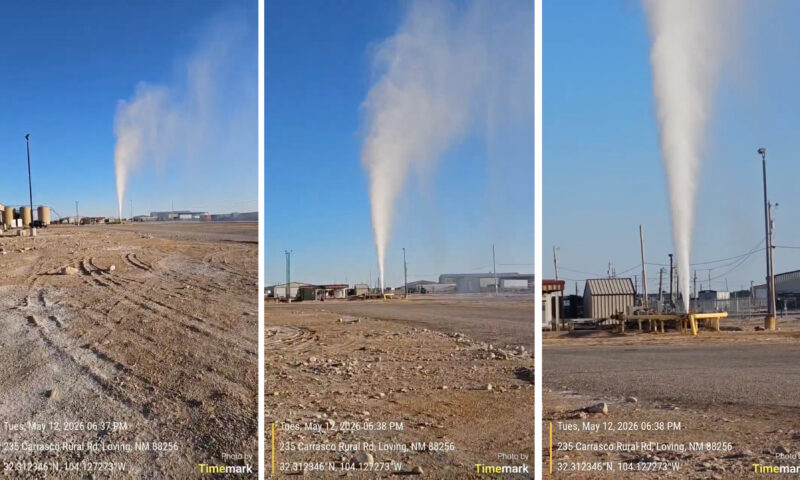
70-Foot Wastewater Geyser Reflects New Mexico’s Latest Oilfield Challenge
-
 Latest NewsMay 13, 2026
While Pentagon Spends Billions on War, Military Families Say They’re Getting Short-Changed
-

 Column - State of InequalityMay 14, 2026
The Real Stakes Behind California’s Billionaire Tax Fight: Health Care Access
-

 The SlickMay 29, 2026
Feds to Open Tens of Thousands of Acres of Colorado Wilderness to Oil Drilling