Labor & Economy
Enriching the Community with a Living Wage


A year or so ago, while picking up socks off of the living room floor, and considering the innumerable tasks of being a single parent, I exclaimed to my kids, “You know what? We think what we need is more money, but what we really need is community.”
It occurred to me that I was upset about my money flow, but I was equally upset about the growing sense of isolation that comes with a lack of connectedness with the people in my apartment complex, my street and my city.
Little did I know that those words that tumbled from my mouth would soon be so prophetic for me and the community I live in.
A long-time resident of Long Beach, I was raised in a multicultural working class neighborhood in the city. We weren’t rich–Dad is a military veteran and Mom worked for the phone company–but my family owned their home and impressed upon us a strong work ethic.
One of my first jobs was working for a fast food chicken eatery for $3.35 an hour. For my wages I retrieved hot fried chicken from industrial fryers and positioned cooked chicken parts for sale on large stainless steel pans. I was responsible for greeting customers, filling orders, “suggestive selling,” and serving guests who chose to eat in. In addition to my duties while the restaurant was open for business, I closed up shop by wiping down the tables, filling up salt and pepper shakers, putting chairs up on the tables and mopping the floor. I probably made it out of the restaurant by about 11 p.m. As an ambitious teen, the one thought that prevented me from quitting – despite my suffering grades and sleep deprivation – was my starry- eyed vision of buying a new car.
I didn’t have to pay for the house, the lights, car fuel, the groceries or the water bill. I didn’t have to think about the extra cost of my sister and her kids staying with us. I didn’t need a living wage.
Youthful narcissism blocked me from considering the critical role that a wage played in most people’s lives, and the interdependent nature of the worker and his company. There are a few needs at work: The need for businesses to thrive and make a profit; people’s needs to be employed and the needs of the community to provide jobs for its residents. The working together of these elements successfully provides for a decent quality of life.
During the Living Wage Campaign (placed on the ballot as “Measure N”) people working together practically and creatively increased their sense of community. Mikki, a community organizer with the campaign, crafted a quilt during a potluck she hosted. She asked guests what would a living wage mean to them, then sewed together squares of community sentiment. Inspiring. I hadn’t seen a homemade quilt since my mother sewed one for my niece, her first grandchild. Artist Daniel Tavai, “Ti,” illustrated a cityscape mural of Long Beach with serious, almost sullen almond-eyed folks in the background. Their cheeks were marked to indicate hard work and sweat. He captured the heart and soul of the working community.
It takes a lot of heart to work hard for yourself and your family while the ends still don’t meet. Perhaps many of us have been there, or we’re there now, but the Living Wage campaign brought these issues out of our own homes to discuss them with our neighbors (and others). Canvassing was no cake walk, but as it turned out, the results were just as sweet. Community had arrived — or had it always been here with open hearts and minds, standing quietly, patiently, anxiously?
An important element in Measure N’s success was that it provided a sense of discovery. As we walked the entire city, we discovered new allies, new neighbors and friends in familiar and unfamiliar places. However, long before working for local fair wages, I had stumbled upon a store that would be a special source of joy for me: Iguana Imports, a New Age imports shop that could double as a meditation space. Despite my modest pocketbook, I found a treasure trove of unique imported items, and a business owner, Tom Ford, who exuded warmth and appreciation for his customers and their purchases no matter how small.
Truly this became one of my favorite places to be and I was thrilled to see his image on our “Measure N” literature supporting a thriving Long Beach community. With the Measure N campaign, we had bonded over the shared joys and challenges of working toward the passage of a living wage measure. In our willingness to lend a helping hand, we learned that we were neighbors after all.
Sonya Clark is a community member, educator and lead organizer for the Long Beach Living Wage campaign. She serves on the Steering Committee for Building Healthy Communities, Long Beach.


-
 Column - State of InequalityMay 21, 2026
In California Governor’s Race, Xavier Becerra Walks Away From Single-Payer
-

 Latest NewsMay 22, 2026
Where California’s Gubernatorial Candidates Stand on Climate and Taking Big Oil Money
-

 The SlickMay 20, 2026
70-Foot Wastewater Geyser Reflects New Mexico’s Latest Oilfield Challenge
-

 The SlickMay 29, 2026
Feds to Open Tens of Thousands of Acres of Colorado Wilderness to Oil Drilling
-
 Latest NewsMay 18, 2026
Budget Cuts Threaten Program That Doubles Food Dollars for Californians in Need
-
 Deadly Dust: The Silicosis EpidemicMay 27, 2026
California Moves to Ban Quartz Countertop Fabrication to Combat Silicosis Epidemic
-

 Latest NewsMay 26, 2026
Conditions at California ICE Detention Centers Are Getting Worse, Inspections Find
-
 Imperial DivideJune 3, 2026
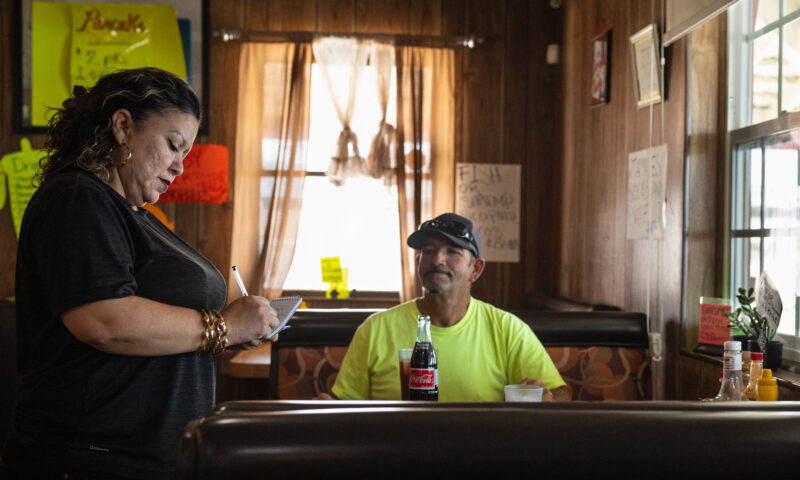
California’s Lithium Valley Dreams Meet Reality at the Only Restaurant in Town