Labor & Economy
Tim O’Reilly Eyes the Future of the Tech Industry By Peering Into the Past
On the latest episode of The Bottom Line podcast, the O’Reilly Media CEO draws on lessons of history to help understand high-tech’s current perils and promise.

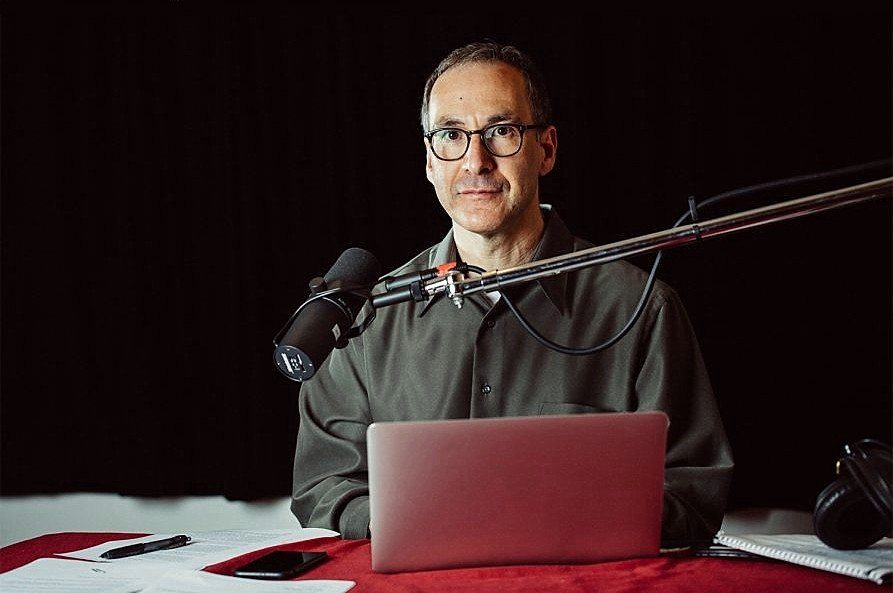
Lots of folks have expressed amazement at the speed with which Facebook, Google, and Apple have gone from being at the center of “the coolest industry” around to being likened to Big Tobacco, “peddling a destructive addiction,” as New York Times columnist David Brooks has characterized the shift.
Count Tim O’Reilly among those who’ve been decidedly less surprised.
“It’s something that happens in the life of every technology,” O’Reilly, the founder and CEO of O’Reilly Media, told me on the latest episode of my podcast, The Bottom Line. “Television was going to change the world for the better. And then we had this backlash where we said, ‘Oh no, it’s making everybody into couch potatoes and making everybody stupid.’ The automobile was going to change the world for the better—and it did. And then we realized, oh my gosh, there are all these terrible downsides. . . .
“It’s kind of how we progress as a species,” adds O’Reilly, the author of, most recently, WTF?: What’s the Future and Why It’s Up to Us. “We start out starry-eyed and optimistic with all the possibility of a new technology,” only to realize that there are shortcomings that need to be addressed—and often are addressed, even as some people invariably resist in order “to preserve the profits that they’re making.”
If it sounds like O’Reilly has a keen sense of the past, that’s because he is a close student of it. But it’s also because he himself has helped to make history, at least in Silicon Valley.
O’Reilly Media started in the 1980s as a publisher of books about computer programming, and later the Internet. Today, its learning platform, Safari, is considered the largest online library for technical and business topics. The company is also well known for its industry conferences. In 1998, O’Reilly organized the meeting where the term “open source software” was born. In 2004, he became instrumental in popularizing the term “Web 2.0” to indicate the shift, in the wake of the dot-com bust, to sites that emphasized user-generated content and were easy for even non-experts to tap.
O’Reilly is also a partner in an early-stage venture firm.
As he draws on the lessons of yesterday to help figure out—and shape—tomorrow, one area that O’Reilly is focused on is the growing concentration of power among a handful of online behemoths. Many critics are concerned that the dominance of Google, Facebook, and Amazon is hurting consumers and workers alike. O’Reilly, though, believes that their behavior is also bound to have another casualty: the tech giants themselves.
“I watched this early in my career with Microsoft,” O’Reilly says, recalling how the company came to wield so much control in personal computing that it would dictate to venture capitalists “what they could invest in” and to entrepreneurs “what was safe to do.”
“That ended up leaving Microsoft holding all of the cards—they thought,” O’Reilly explains. “But in reality, all the innovators said, ‘Well, we can’t make any money in this world anymore. Let’s go over somewhere where there’s just interesting opportunity, namely the Internet. . . . Suddenly, Microsoft wakes up and went, ‘Oh, all of the innovators went somewhere else; they’re not developing for our platform anymore. . . .’
“What’s so interesting,” O’Reilly notes, “is the current conversations in the Valley are very similar. ‘What’s safe to invest in? How close are we to the center of Google’s bull’s-eye or Microsoft’s or Facebook’s or Amazon’s? Is this an acquisition opportunity—or will they just put us out of business?’”
O’Reilly stresses that while a lot wary eyes are being cast toward tech—and for good reason—the impulse to squeeze others transcends the sector.
“It’s really the problem in our entire society and our economy,” O’Reilly asserts. “Long-term greedy is good. Long-term greedy says we’re going to make everybody wealthier, and I’m going to get a piece of that. I’m going to make my customers more successful. I’m going to make my partners more successful.
“But you look at so many companies and you realize that it becomes increasingly zero-sum. And zero-sum is short-term greedy.”
You can listen to my entire interview with O’Reilly here, along with Bridget Huber reporting on how we seem to be facing less the rise of robot overlords and more the rise of robot coworkers, and Kanyi Maqubela exploring whether censorship in China is as much about business as it is about politics.
The Bottom Line is a production of Capital & Main.

-
 Column - State of InequalityMay 21, 2026
In California Governor’s Race, Xavier Becerra Walks Away From Single-Payer
-
 Latest NewsMay 22, 2026
Where California’s Gubernatorial Candidates Stand on Climate and Taking Big Oil Money
-
 The SlickMay 20, 2026
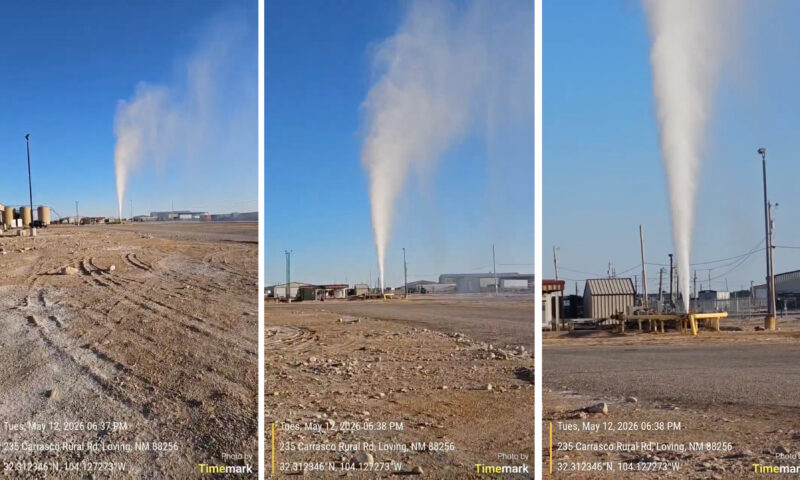
70-Foot Wastewater Geyser Reflects New Mexico’s Latest Oilfield Challenge
-

 The SlickMay 29, 2026
Feds to Open Tens of Thousands of Acres of Colorado Wilderness to Oil Drilling
-
 Deadly Dust: The Silicosis EpidemicMay 27, 2026
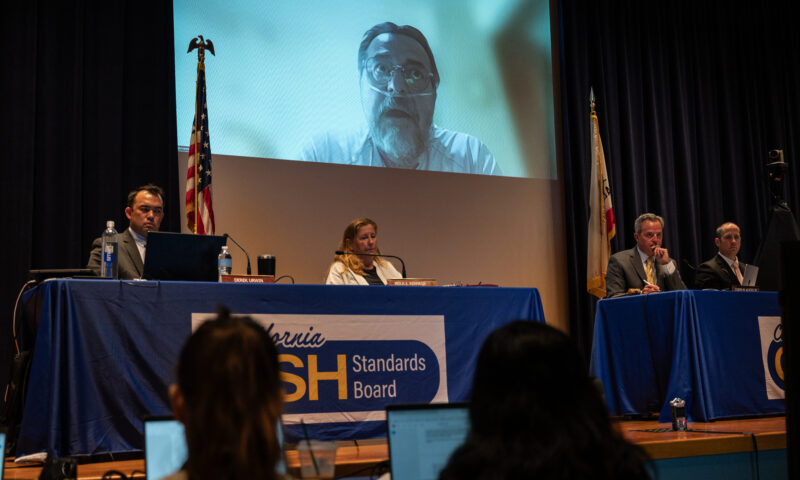
California Moves to Ban Quartz Countertop Fabrication to Combat Silicosis Epidemic
-
 Latest NewsMay 26, 2026
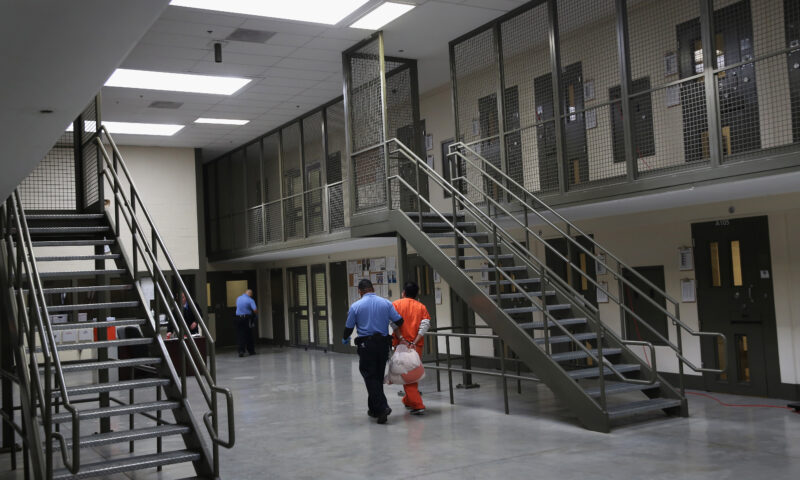
Conditions at California ICE Detention Centers Are Getting Worse, Inspections Find
-
 Imperial DivideJune 3, 2026
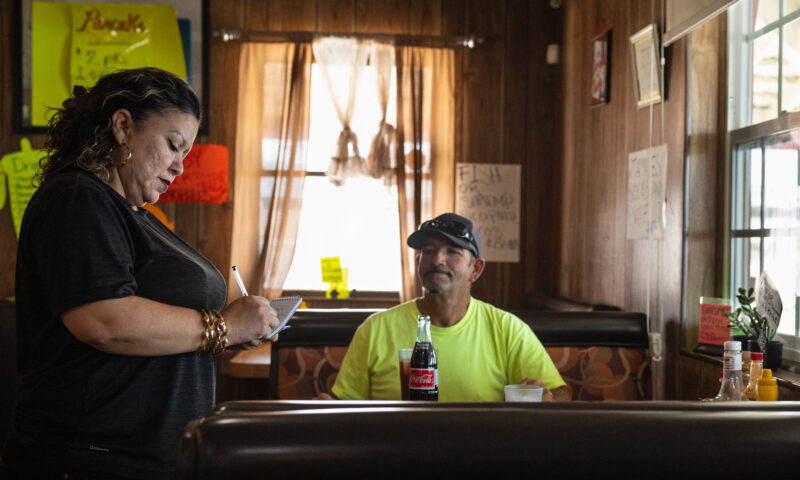
California’s Lithium Valley Dreams Meet Reality at the Only Restaurant in Town
-
 Column - State of InequalityMay 28, 2026
Top Democratic Candidates Agree on Housing Urgency, Not the Fix