
Culture & Media
There’s No Freedom Without Arrests


Ten members of the Irvine 11 were sentenced last week to community service, fines and probation for disrupting a speech by the Israeli ambassador on the campus of UC Irvine. It’s not as important to me whether or not these Muslim activists were within their rights under the First Amendment of the U.S. Constitution as that they were ready to take the risk that civil disobedience implies for their strongly held beliefs.
As a veteran of the 1960s civil rights movement, I know how breaking a law in pursuit of a higher justice can be a life-changing experience. When I was 18 I joined 400 others protesting discriminatory hiring practices at a San Francisco auto dealership by going limp in the car showrooms.
The status quo does not change without pressure from below. And in the U.S. often that pressure has taken the form of several hundred people “putting their bodies on the line” — risking arrest and prosecution for a nonviolent act committed to challenge a societal injustice.
Blocking traffic, trespassing on private property, violating Jim Crow laws, holding up a troop train, pouring blood on draft records – these are all illegal acts. Acts that don’t commit bodily harm and are committed in the hope they will prevent future harm.
When I was arrested for my first act of civil disobedience in 1964 we were put on trial in groups of 10 and ultimately sentenced to 6 months’ probation, a one year suspended sentence (imposed if we violated probation) and a $50 fine for trespassing and failure to disperse. The men were also found guilty of disturbing the peace while, in an act of 1960s gender stereotyping, the women weren’t.
At the time, an arrest would prevent each of us from ever getting hired as a public school teacher in California. That meant our bold act shut off a likely source of employment for the future and was a reminder of the seriousness of our actions. (The regulation was lifted several years later.) And forever after in seeking employment, I have had to answer “yes” to the question about having been arrested. But interestingly, what began as a punishment became a badge of honor. (When applying for a job with the city of Santa Monica in 1982, I learned the city’s personnel director had been arrested in the same 1964 demonstration. I got hired for the job, and we celebrated our common civil rights history.)
The convicted members of the Irvine 11 similarly will carry their audacious act with them throughout their lives. And while possibly making employment, jury service and some friendships somewhat harder to obtain, it will serve as a lifelong reminder about their individual intentions to act according to their beliefs, to stand up to injustice, and to muster the courage to take risks to change the status quo.



-

 The SlickMay 29, 2026
Feds to Open Tens of Thousands of Acres of Colorado Wilderness to Oil Drilling
-
 Imperial DivideJune 3, 2026
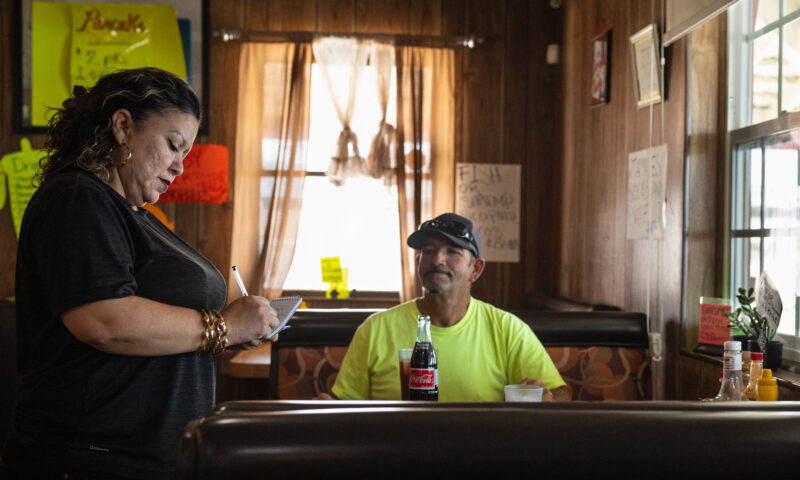
California’s Lithium Valley Dreams Meet Reality at the Only Restaurant in Town
-
 Latest NewsJune 1, 2026
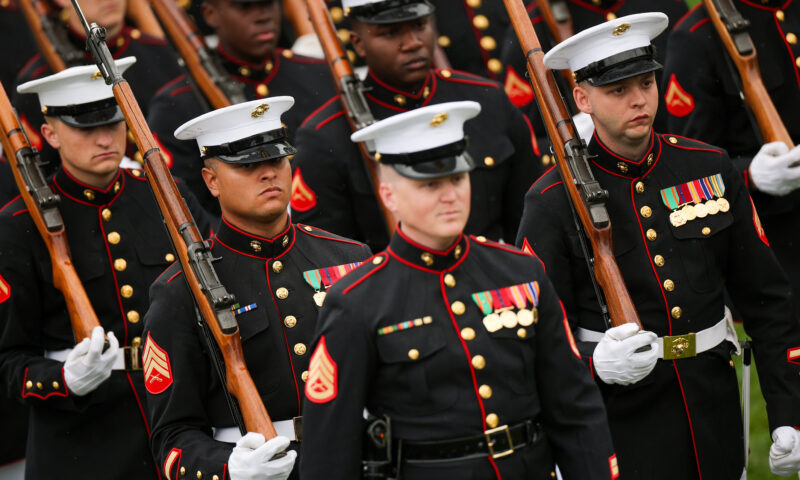
Deep Cuts to Civilian Support Staff for Families of Deployed Marines Raise Concerns
-

 Column - State of InequalityJune 4, 2026
California’s Economy Runs on Labor Trump Wants to Deport
-
 The SlickJune 5, 2026
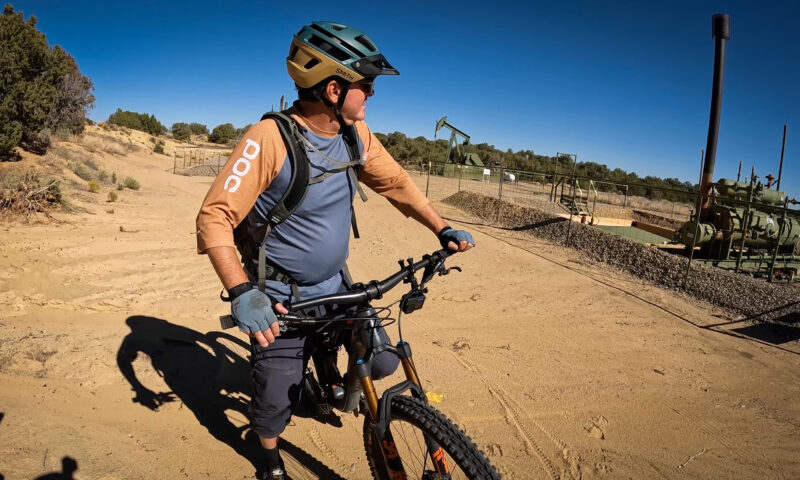
At This New Mexico Park, Mountain Bikers Pedal Amid Hundreds of Oil Wells
-
 The SlickJune 10, 2026
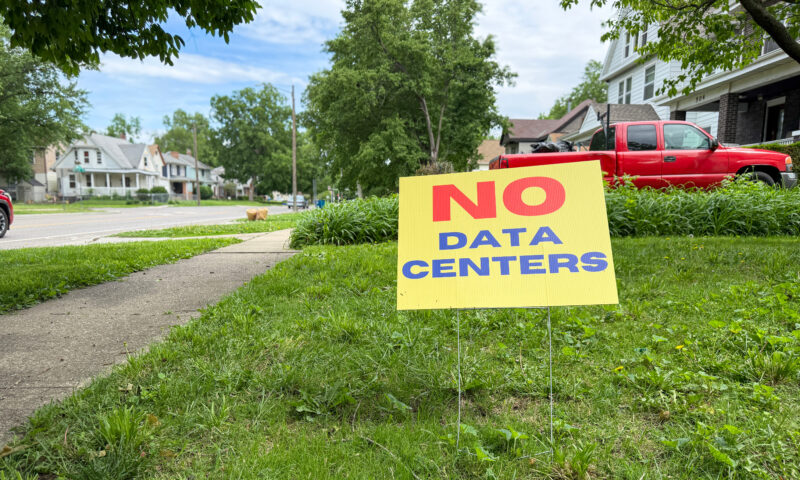
Data Centers Are on the Ballot — This Pennsylvania Candidate Won Her Primary Keeping Them Top of Mind
-
 Latest NewsJune 9, 2026
Ousted by the Trump Administration, U.S. Immigrants Remain Locked up in African Kingdom
-
 Latest NewsJune 12, 2026
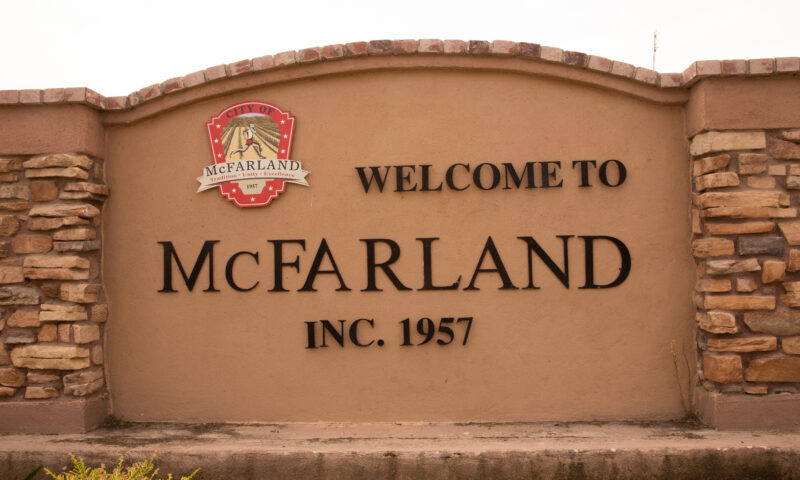
California Town Lets Private ICE Detention Centers Police Themselves