Labor & Economy
Tax Deal: Over the Cliff or Tied to the Tracks?

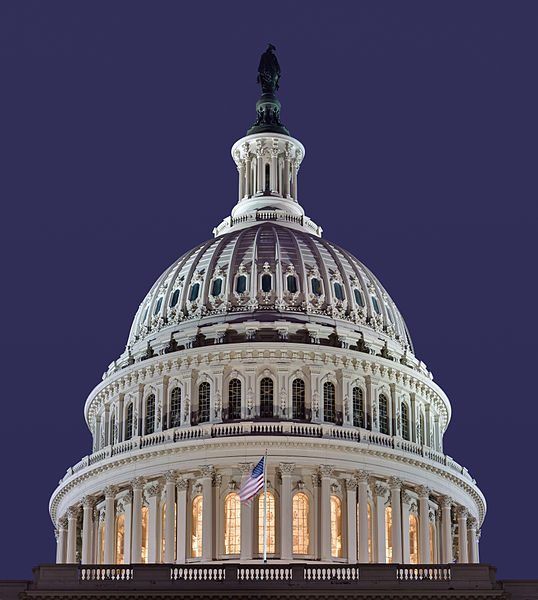
We begin 2013 awaiting the House of Representatives vote on tax legislation passed by the Senate early this morning. So we’re technically off the fiscal cliff but not really about to hit the ground – yet. Below are some initial perceptions of what the legislation means, beginning with the conservative American Spectator.
- The tax rates now in effect under law are those of the Clinton era, not the Bush era. As Grover Norquist argues, any vote for the Senate deal now is a vote to cut a lot of taxes, not a vote to raise any. And this bill does cut a whole lot of taxes (even including some special-interest breaks demanded by liberals that don’t actually make economic sense). Quin Hillyer, The American Spectator
- Republicans are absolutely correct that they will now be in position to extract painful concessions from the White House down the road, particularly in a debt ceiling fight—and Treasury Secretary Timothy Geithner just notified Congress that we’ve already hit it. If you don’t think that assessment is true, just look at how the politics have played out today. Republicans reportedly leaked early news of the deal and suggested there was a lot more agreement than actually existed, so as to make Democrats look bad if it fell through. George Zornick, The Nation
- I’m disappointed to say that in my opinion, this legislation that we’re about to vote on falls short. First, it doesn’t address the number-one priority: creating good middle-class jobs now. Unemployment remains way too high. This bill should include direct assistance on job creation measures. Sen. Tom Harkin (D-Iowa)
- Even if the House passes the bargain, we’ll soon find ourselves facing the other major economy-threatening event: The next vote, sometime in February or March, to raise the debt ceiling. Here, too, Obama and the Republicans disagree about how to proceed. Obama insists he won’t let Republicans use the vote to extort policy concessions (which they did in 2011, something that had never happened before.) Republicans firmly believe they can and will. Jonathan Chait, New York Magazine
- I think a reasonable person can defend the bill on its own terms. The fact is that nudging up the tax threshold to $450,000 only sacrifices $100-200 billion in revenue over the next decade (against the $700-800 billion the administration would have secured with its original threshold), while allowing unemployment benefits to lapse would cause real pain to both the two million people directly affected and, indirectly, to the economy. Noam Scheiber, The New Republic
- [T]hat very willingness to make concessions to avoid the consequences of inaction worries Democrats, some of whom believe the White House lacks the resolve to dismiss the GOP’s debt limit demands. A senior Democratic aide said some members have “diminished confidence” in the administration’s willingness to stare down the Republicans in two months’ time. Brian Beutler Talking Points Memo



-

 The SlickMay 29, 2026
Feds to Open Tens of Thousands of Acres of Colorado Wilderness to Oil Drilling
-

 Deadly Dust: The Silicosis EpidemicMay 27, 2026
California Moves to Ban Quartz Countertop Fabrication to Combat Silicosis Epidemic
-
 Latest NewsMay 26, 2026
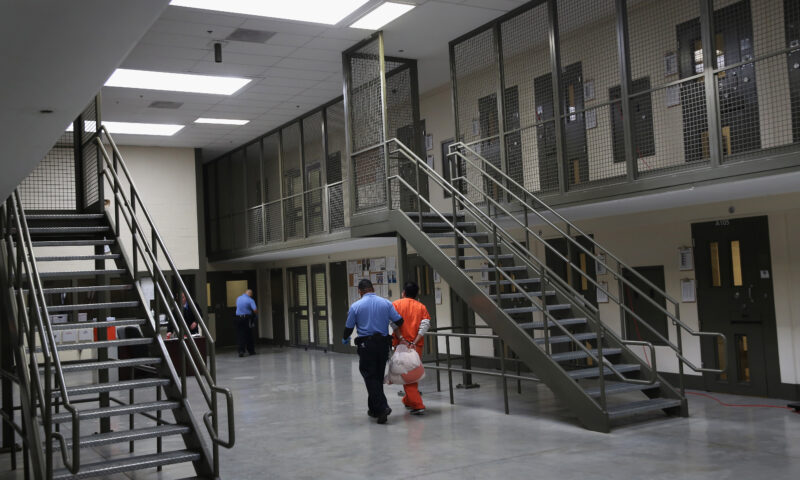
Conditions at California ICE Detention Centers Are Getting Worse, Inspections Find
-

 Imperial DivideJune 3, 2026
California’s Lithium Valley Dreams Meet Reality at the Only Restaurant in Town
-

 Column - State of InequalityMay 28, 2026
Top Democratic Candidates Agree on Housing Urgency, Not the Fix
-

 Latest NewsJune 1, 2026
Deep Cuts to Civilian Support Staff for Families of Deployed Marines Raise Concerns
-

 Column - State of InequalityJune 4, 2026
California’s Economy Runs on Labor Trump Wants to Deport
-

 The SlickJune 5, 2026
At This New Mexico Park, Mountain Bikers Pedal Amid Hundreds of Oil Wells