
Environment
Our Wild Wild Waste System

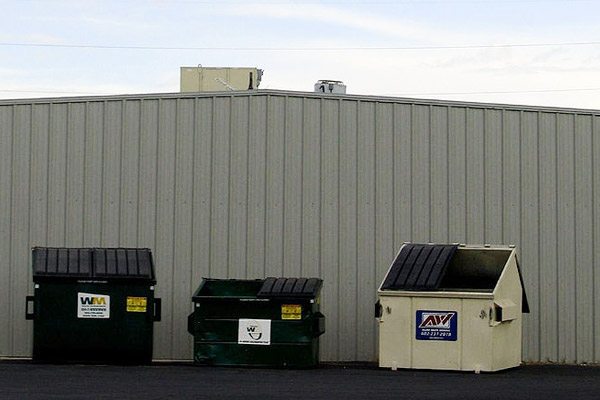
Photo: Jonathan Boeke
As some folks know, the City of Los Angeles’ Bureau of Sanitation and Board of Public Works have been holding a series of stakeholder meetings about raising the bar for how our city picks up and handles waste at businesses and apartment complexes. As of now, we have what’s called a permit system – and, despite the city’s Herculean efforts, it’s a free-for-all. Basically, private waste hauling companies pick up trash on overlapping truck routes – jumping over one another in every corner of the city for individual accounts.
The results?
In general – whether we’re talking about job standards, air quality standards, or recycling standards – we’ve got a race to the bottom. For now, though, let’s talk about truck routes. We’ve got neighborhood blocks – particularly in communities with a high proportion of renters– with five or six different companies picking up trash at adjacent buildings. That means emissions, congestion, and unnecessary wear and tear on streets.
It’s absurd – and the cost for Los Angeles is significant. Not only are many of these trucks gas guzzlers (some estimates put waste hauling trucks at 3 mpg), but they literally beat up our streets. A single waste hauling truck making one trip on a city-paved street has the same impact on that road as 9,300 SUVs.
We have 6,500 miles of streets in L.A. – and if they’re seeing even half as many trash trucks as I see on Inglewood Blvd. every morning, in my neighborhood, then they’re taking one hell of a beating. Somewhere, somehow, somebody is going to have to pay for that.
As these stakeholder meetings continue, and the debate over what L.A.’s waste and recycling system should look like for the next fifty years plays out, part of the discussion will be over whether we have a system where one hauler picks up trash for a designated area – or whether a morass of trash trucks, emissions and traffic is locked in as part of our waste system. Strikes me that the answer is obvious.
Stay tuned.



-
 The SlickMay 29, 2026
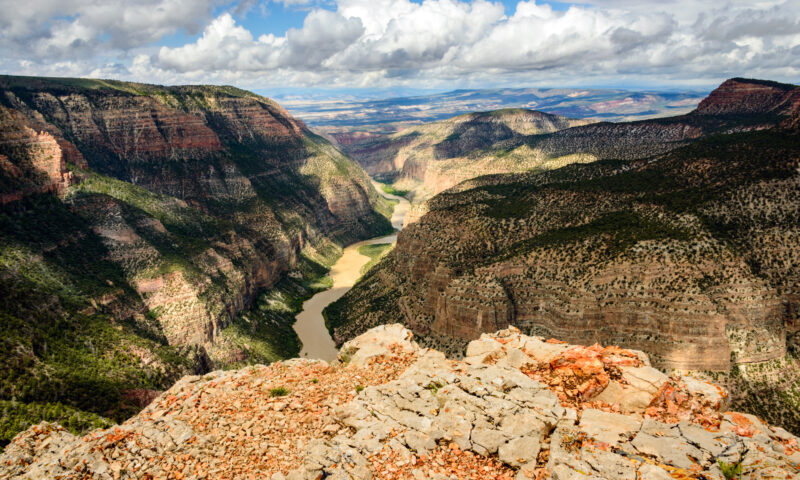
Feds to Open Tens of Thousands of Acres of Colorado Wilderness to Oil Drilling
-
 Deadly Dust: The Silicosis EpidemicMay 27, 2026
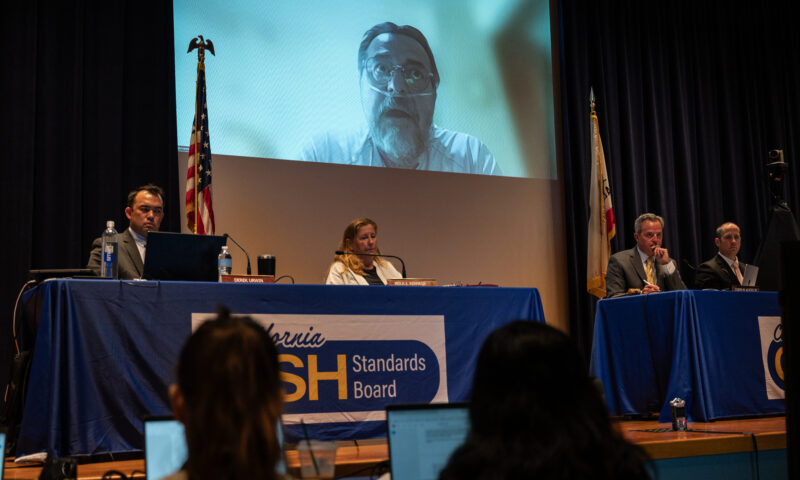
California Moves to Ban Quartz Countertop Fabrication to Combat Silicosis Epidemic
-
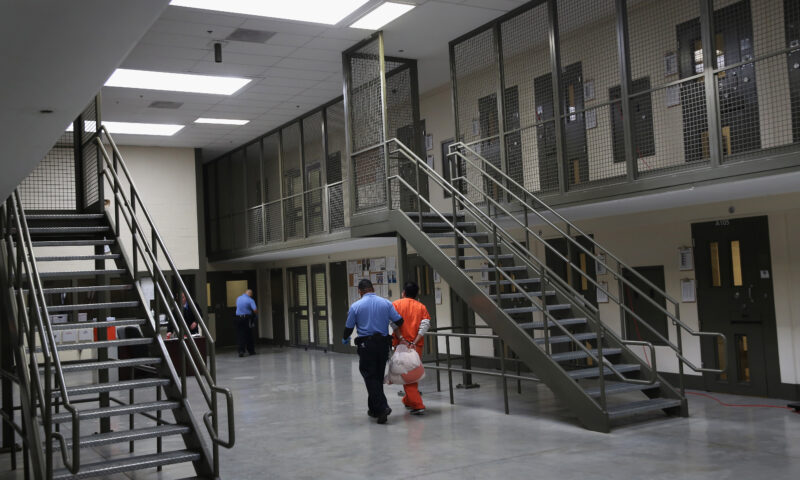
 Latest NewsMay 26, 2026
Conditions at California ICE Detention Centers Are Getting Worse, Inspections Find
-
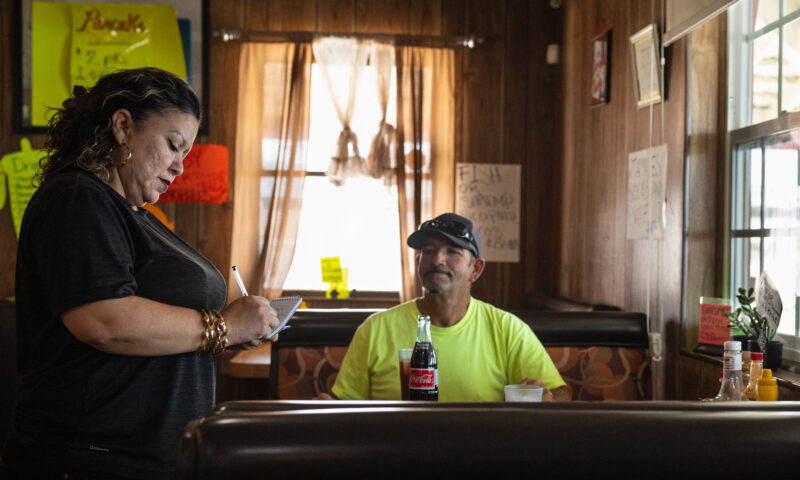
 Imperial DivideJune 3, 2026
California’s Lithium Valley Dreams Meet Reality at the Only Restaurant in Town
-

 Column - State of InequalityMay 28, 2026
Top Democratic Candidates Agree on Housing Urgency, Not the Fix
-

 Latest NewsJune 1, 2026
Deep Cuts to Civilian Support Staff for Families of Deployed Marines Raise Concerns
-

 Column - State of InequalityJune 4, 2026
California’s Economy Runs on Labor Trump Wants to Deport
-
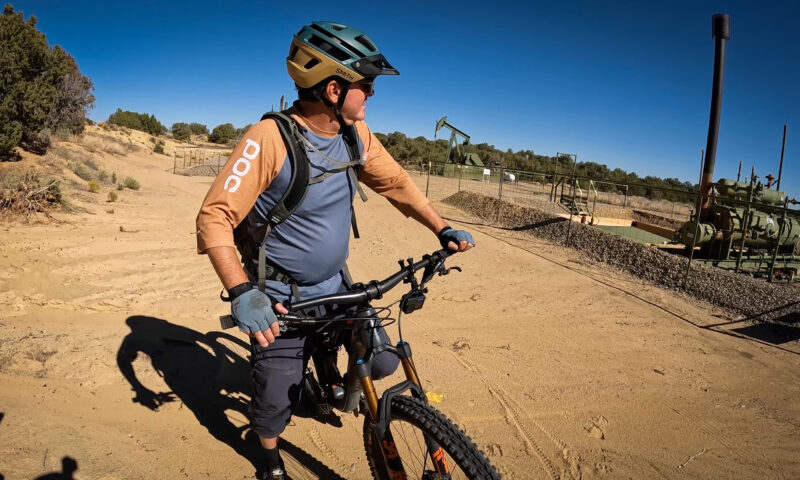
 The SlickJune 5, 2026
At This New Mexico Park, Mountain Bikers Pedal Amid Hundreds of Oil Wells