
Labor & Economy
Why We Need to Move on Infrastructure Now

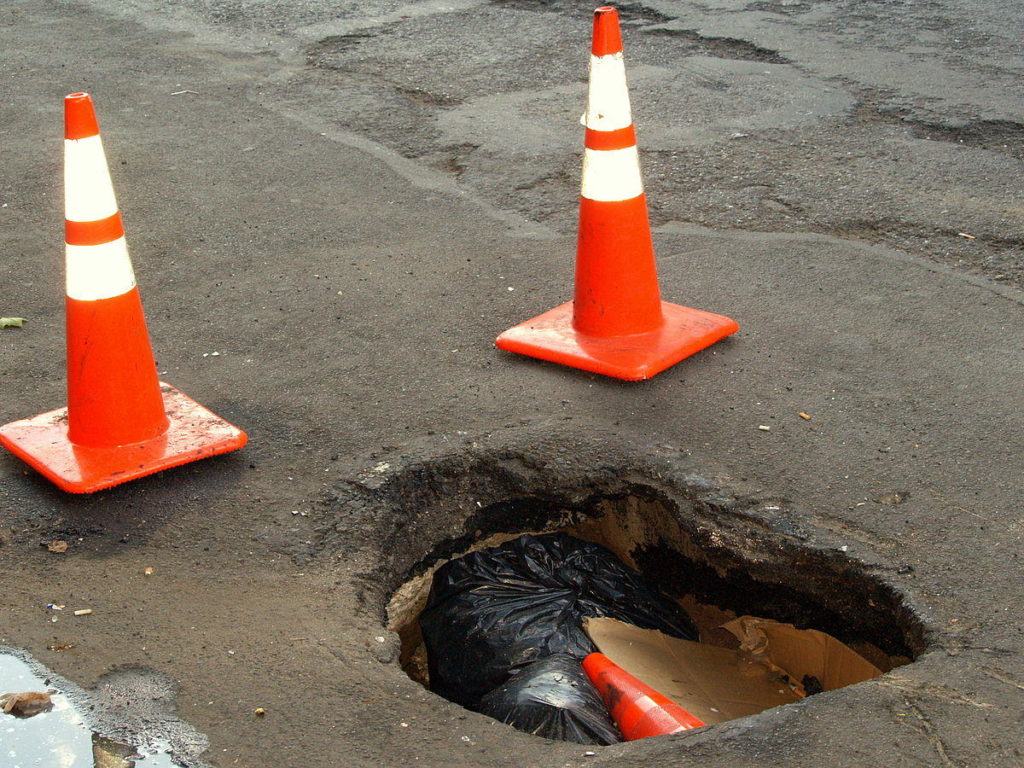
Talking about infrastructure is like a dentist appointment. No one wants to do it, but if we put it off, even more serious consequences are all but guaranteed down the road.
We didn’t need the tragedy in Flint, Michigan, to prove that the foundation of our society—our water systems, schools, transit, highways and bridges—is crumbling. But, according to a new report by the Center on Budget and Policy Priorities (CBPP), now—not down the road—is the time to talk about infrastructure.
As federal infrastructure spending continues to decline, states should invest now for a number of reasons:
- Today’s historically low interest rates are especially favorable to borrowing.
- State and local debt is below pre-recession levels, so the public is in a better position to afford infrastructure investments than we’ve been in for several years.
- Though employment is recovering, millions of Americans are underemployed and making far less than they need to live healthy lives. Higher-quality and more efficient infrastructure will boost productivity, lifting long-term economic growth and wages.
But too many states are headed in the opposite direction. CBPP’s report reveals that state and local spending on infrastructure is at a 30-year low. Pushing austerity politics, leaders in many states are cutting taxes and offering subsidies to corporations in what CBPP calls a “misguided approach to boosting economic growth.”
One of the lessons from Flint is that austerity—i.e., reducing government deficits by any means except raising taxes—has real consequences, especially for low-income families. Government didn’t cause the crisis—government run like a business did.
Infrastructure is the foundation of a safe and healthy society and a powerful driver of economic growth. In the coming weeks, In the Public Interest will be releasing our own report on how investing in infrastructure can fight inequality by creating jobs and pathways to the middle class. Even beyond economics, infrastructure is a chance to address climate change in a substantial and democratic way.
The growing problem with our infrastructure is everyone’s problem, and we should start giving it serious thought, whether it hurts or not.
(Pothole photo by David Shankbone.)



-
 The SlickMay 29, 2026
Feds to Open Tens of Thousands of Acres of Colorado Wilderness to Oil Drilling
-
 Deadly Dust: The Silicosis EpidemicMay 27, 2026
California Moves to Ban Quartz Countertop Fabrication to Combat Silicosis Epidemic
-
 Latest NewsMay 26, 2026
Conditions at California ICE Detention Centers Are Getting Worse, Inspections Find
-
 Imperial DivideJune 3, 2026
California’s Lithium Valley Dreams Meet Reality at the Only Restaurant in Town
-

 Column - State of InequalityMay 28, 2026
Top Democratic Candidates Agree on Housing Urgency, Not the Fix
-

 Latest NewsJune 1, 2026
Deep Cuts to Civilian Support Staff for Families of Deployed Marines Raise Concerns
-
 Column - State of InequalityJune 4, 2026
California’s Economy Runs on Labor Trump Wants to Deport
-
 The SlickJune 5, 2026
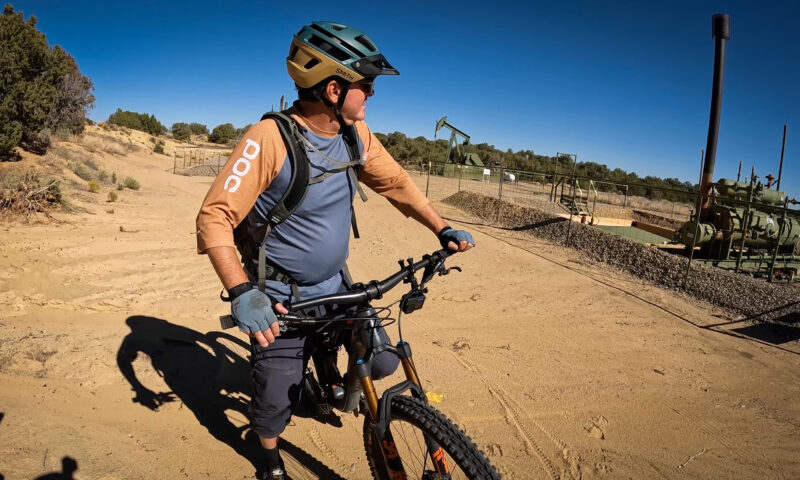
At This New Mexico Park, Mountain Bikers Pedal Amid Hundreds of Oil Wells