
Labor & Economy
L.A. Construction Site: The Satisfactions of Completion

Ron Miller, the head of the Los Angeles Building Trades Council, says that it is a “ritual” for trades workers to drive around Los Angeles surveying the jobs they have worked on.
Virtually every person I’ve talked to who is currently building the Wilshire Grand Center tower in downtown Los Angeles plans to bring their friends and family members to the building once it is finished. Electrician Anthony Sotelo wants to book his mother into the Wilshire Grand’s hotel for at least one night so he can switch on the lights that he wired to make sure they turn on.
“You take pride in your work by showing your family what you have built,” he says.
One of the delights of completion is the possibility of taking material and psychological pleasure in what you have created, the ability to tell a full story that reveals the daily successes as well as the discords of a difficult project.
While some of the Wilshire Grand’s workers will labor from the beginning through the end of the three-year building process, many will work there only part of the time. Sefi Edery, who is a reinforcing steel “rodbuster,” anticipates his work there coming to the end soon and is already reflecting on his experience.
“The building is a part of me now,” he says. “The guys I work with — Rex, Chris, Auggie, Danny — I carry those guys in my mind all the time because working with them was inspiring and motivating.”
The rodbusters of Ironworkers Local 416 recently held a “topping off” ceremony to celebrate the completion of the highest section of steel rebar at the site. Early next year, the structural-steel iron workers will follow another ritual by signing their names to the last iron beams placed at the top of the building.
If ending work at a construction site is a kind of expulsion, these rituals help maintain a commitment to a world of shared memory.
One requirement for adult moral development is the ability to stand at a distance from ourselves to evaluate the quality and meaning of our ongoing work. As the trades workers gather their families for the tours of what they have built, they are offering their loved ones a picture of what a fruitful purpose can be – the concrete promise of sustained commitment.
Construction sites are zones of bodily punishment. The gear workers wear is a reminder of their physical vulnerability: hard hats, thick leather boots, protective glasses, gloves, tie-off lanyards for work above six feet. There is no article in a union contract that will guarantee that the back and legs will always remain strong – or that you will never slip and fall. There is something inconsolable about this fact.
But the stories that these workers tell of completion and return are part of an imaginative language that helps them to understand the sacrifices they make and to expand the possibilities for solidarity.
“I remember the beginning, when we started in the footings,” Edery says, looking towards the end of this one big job and the beginning of another. “It was fascinating and it was madness.”



-

 Column - State of InequalityMay 21, 2026
In California Governor’s Race, Xavier Becerra Walks Away From Single-Payer
-

 Latest NewsMay 22, 2026
Where California’s Gubernatorial Candidates Stand on Climate and Taking Big Oil Money
-
 The SlickMay 20, 2026
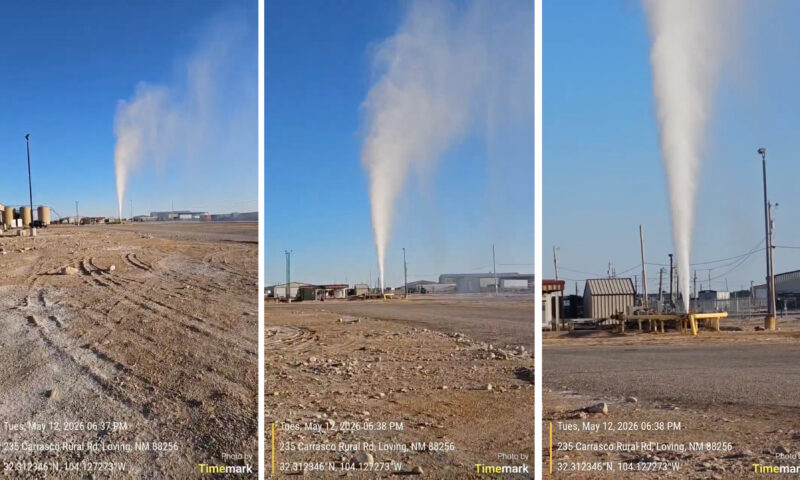
70-Foot Wastewater Geyser Reflects New Mexico’s Latest Oilfield Challenge
-
 The SlickMay 29, 2026
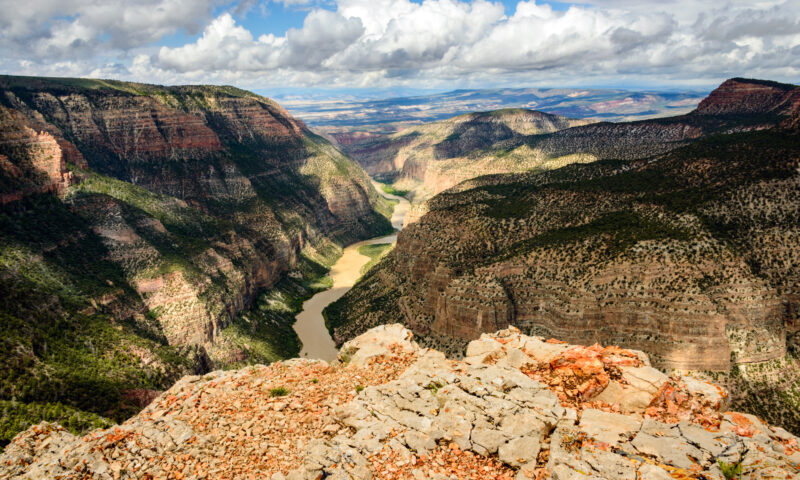
Feds to Open Tens of Thousands of Acres of Colorado Wilderness to Oil Drilling
-

 Latest NewsMay 18, 2026
Budget Cuts Threaten Program That Doubles Food Dollars for Californians in Need
-
 Deadly Dust: The Silicosis EpidemicMay 27, 2026
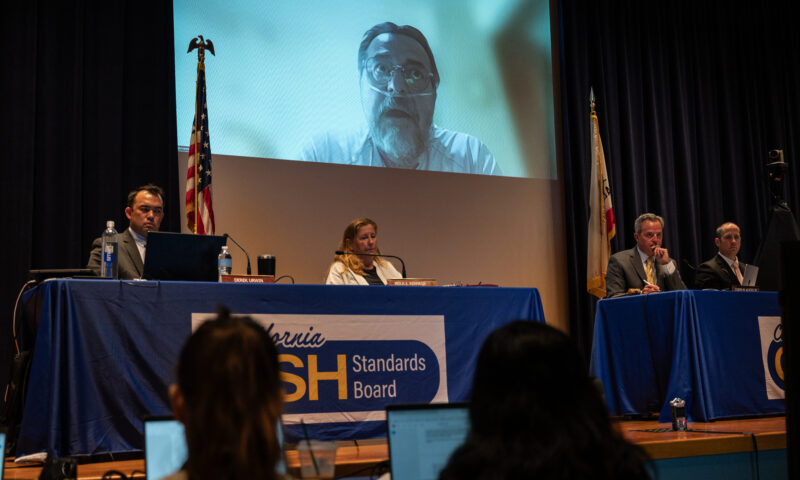
California Moves to Ban Quartz Countertop Fabrication to Combat Silicosis Epidemic
-
 Latest NewsMay 26, 2026
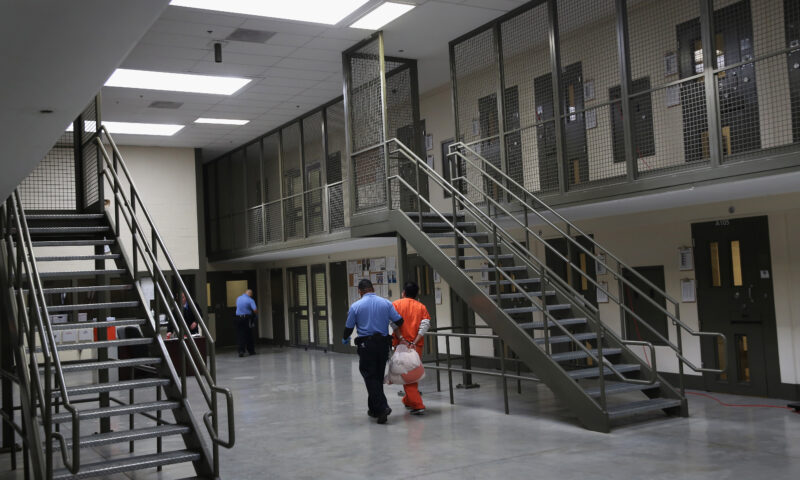
Conditions at California ICE Detention Centers Are Getting Worse, Inspections Find
-
 Imperial DivideJune 3, 2026
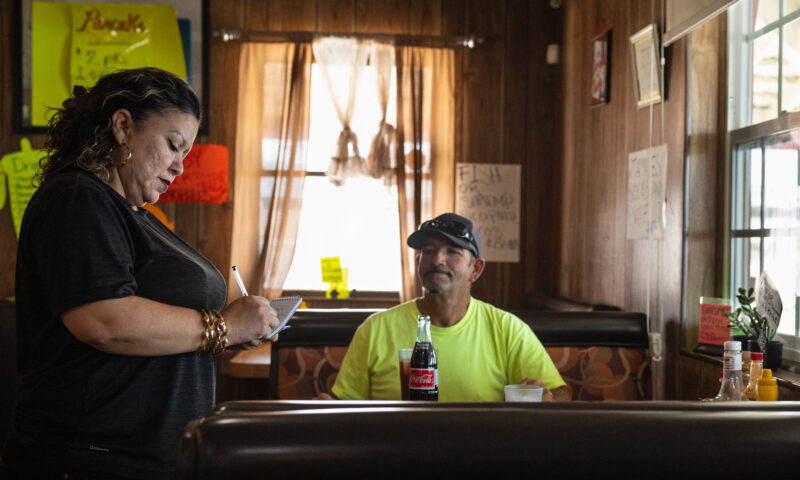
California’s Lithium Valley Dreams Meet Reality at the Only Restaurant in Town