
Education
Judge Blocks Fingerprint Scans for Low-Income Moms

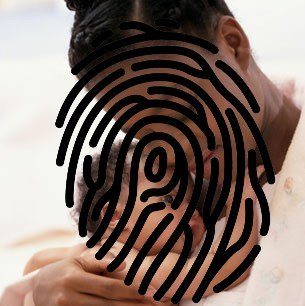
Low-income parents and child care providers who oppose a controversial finger-scanning policy in Mississippi won a reprieve August 15 when a judge issued an order that stops its implementation – at least for now.
Judge Denise Owens of the Chancery Court of the First Judicial District in Hinds County issued a temporary injunction, which effectively means that low-income parents whose kids are in a federally-funded voucher program that supports child care do not have to have their fingers scanned for facility pick-ups or drop offs.
The requirement applies to other adults designated to escort kids to and from participating child care facilities. The Mississippi Department of Human Services had planned on using the scans to track attendance to pay child care centers that participate in the subsidy program.
Certain requirements would have started on August 15. The scanning policy was scheduled to start throughout Mississippi, which has a 23 percent poverty rate, on October 1.
Temporarily stopping the policy affects thousands of families in the state, said Carol Burnett, executive director of the Mississippi Low-Income Child Care Initiative and a program opponent.
“These are the moms who have left welfare to go to work. We as a society have told them that’s what we want them to do. They need child care if they want to have jobs but we put these barriers in their way,” she said.
“It’s just so dispiriting and really illogical.”
The program, she added, required parents and designated escorts to visit state government offices during business hours to give a fingerprint and take a training class. That can be difficult for working families in which parents have hourly, low-wage jobs and cannot afford time to leave during the workday.
As of earlier this week, the Mississippi Department of Human Services had not had an opportunity to review the full legal order issued by the court, said Julia Bryan, spokeswoman. “It would be inappropriate and premature to comment at this time,” she said in an email.
State officials believe the system could help improve the accuracy of attendance, cut administrative costs, address any fraud and maximize the use of federal dollars. Child care advocates call the finger-scanning policy discriminatory, invasive and troubling, especially given that parents of other income levels are not subjected to it.
Parents have said being required to give a finger scan is embarrassing and invasive, especially since they have not done anything wrong.
The temporary injunction was part of a lawsuit filed on behalf of child-care providers and that argued that “impact statements” associated with the state’s scanning program failed to comply with administrative procedures that are legally required in Mississippi.
The state receives federal dollars in the form of a block grant to support child care for low-income families and officials have the decision on how to spend the money, Burnett said.
The finger scanning policy also is not dead. State officials could appeal the decision or submit revised “impact statements” for the court’s approval.
Mississippi has about 1,600 licensed child care centers and about 800 of them participate in this federal child care voucher program, Burnett said.
For now, child care providers and supporters are considering this temporary victory something worth noting.
“They were invested in the outcome,” Burnett said. “The win was fantastic for the moment.”
(This post first appeared on Equal Voice News and is republished with permission.)



-
 The SlickJune 10, 2026
Data Centers Are on the Ballot — This Pennsylvania Candidate Won Her Primary Keeping Them Top of Mind
-

 Latest NewsJune 9, 2026
Ousted by the Trump Administration, U.S. Immigrants Remain Locked up in African Kingdom
-

 Latest NewsJune 8, 2026
The Glacier May Be Gone, but the Love Isn’t
-

 Latest NewsJune 12, 2026
California Town Lets Private ICE Detention Centers Police Themselves
-
 Column - State of InequalityJune 11, 2026
County Tax Measures Show Limits of Local Responses to Medicaid Cuts
-

 The SlickJune 16, 2026
Why Coal Will Lead to More Deaths in Colorado
-

 Latest NewsJune 17, 2026
California Rideshare Drivers Move Toward Unionizing, Following Massachusetts
-

 Latest NewsJune 19, 2026
Sheriff’s, Probation Litigation Cost L.A. County Taxpayers $1 Billion, Study Finds