
Labor & Economy
Hell’s Kitchens: Privatized Prison Mess Halls

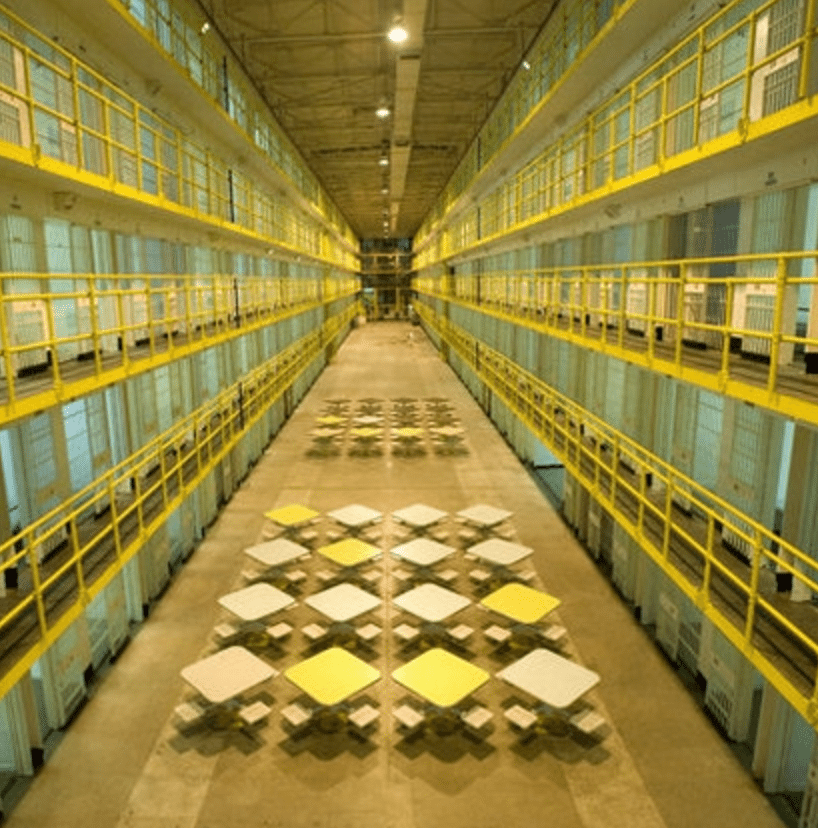
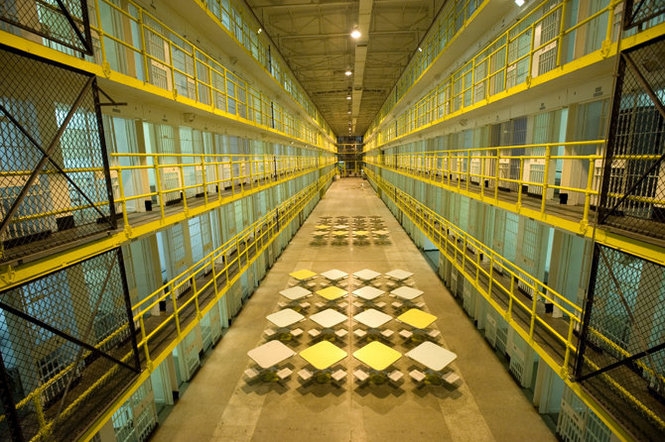
Remember when maggots were found in potatoes about to be served at a Michigan prison? That was just the tip of the iceberg.
A new report released this week details widespread cost-cutting by the food service company Aramark, whose contract was terminated by that state last year. Kitchens were not only unsanitary but dangerous. The company hired inexperienced staff, allowing prisoners to steal makeshift weapons and control the lunch line. Food shortages were especially common.
Michigan eventually replaced Aramark with a new contractor, but the report comes to an unambiguous conclusion: The underlying problems that ended the contract are “likely to resurface under any contract relationship.”
This is because, in a drive for profits, private corrections companies like Aramark routinely cut corners to lower costs. In private prisons, this drive often leads to more prison violence, lawsuits and staff turnover. Companies claim they’ll be more “efficient” than the government, but Michigan’s problems show that dangerous conditions, low quality food and shortages are what this efficiency really looks like.
The state’s new contractor, Trinity, isn’t doing much better.
Since taking over for Aramark last August, the company has already had 59 of its kitchen employees fired and subjected to “stop orders,” banning them from prison property for a variety of infractions. Two weeks ago nearly 1,000 prisoners at an upstate facility protested by refusing to eat food served by Trinity. Prisoners at another Michigan facility held a similar protest last Monday.
Introducing for-profit companies into America’s criminal justice system has been a bad deal for both prisoners and governments. Michigan is just the latest tragic example.



-

 Latest NewsJune 9, 2026
Ousted by the Trump Administration, U.S. Immigrants Remain Locked up in African Kingdom
-

 The SlickJune 10, 2026
Data Centers Are on the Ballot — This Pennsylvania Candidate Won Her Primary Keeping Them Top of Mind
-

 Latest NewsJune 12, 2026
California Town Lets Private ICE Detention Centers Police Themselves
-

 Latest NewsJune 8, 2026
The Glacier May Be Gone, but the Love Isn’t
-

 Column - State of InequalityJune 11, 2026
County Tax Measures Show Limits of Local Responses to Medicaid Cuts
-

 The SlickJune 16, 2026
Why Coal Will Lead to More Deaths in Colorado
-

 Latest NewsJune 17, 2026
California Rideshare Drivers Move Toward Unionizing, Following Massachusetts
-

 Latest NewsJune 19, 2026
Sheriff’s, Probation Litigation Cost L.A. County Taxpayers $1 Billion, Study Finds