
Labor & Economy
For the Long Run: Hitting the Wall and Getting Over It


“If you’re not a liberal at 20 you have no heart. If you’re not a conservative at 40 you have no brain.” Winston Churchill is believed to have once said that and there are various forms of this sentence that get repeated over and over. Perhaps it’s because deep down a lot of people believe it. Supposedly something happens right around the time progressives turn 30, during which time they take serious account of their lives and question what they believe and why they believe it. In some cases, they “burn out” on activism and decide not to pursue a life in social justice. After all, what’s the point? The world has gone crazy and it’s only getting worse, despite our best efforts…Or so the thinking goes.
I’ve never liked the term “burn out.” “Burn out” implies a fire that goes out and won’t return. After all, anyone who has camped knows how difficult it is to get a fire started again after it’s gone out the first time. I didn’t realize how detrimental a term it was until I faced this exact experience. I’m 29 years old, and had a serious existential crisis about six months ago. After a few years in the “trenches” — i.e., working on the staff of a militant labor union — I started questioning why I was doing it and felt like my idealism was increasingly being substituted with cynicism and negativity. I wasn’t going to vote for Romney just yet, but I had serious doubts that any of it mattered. Then I said it to my colleagues: “I’ve burnt out.”
Or did I? Right around the same time I decided to train for the Los Angeles Marathon. A marathon is 26.2 miles. This seemed impossible to me, as I had never ran more than three miles at one time. But I took a leap of faith and signed up. Everything was going great the first few months, until one day when the coaches told us about “The Wall.” The Wall comes sometime after the 20-mile mark when a runner’s glycogen (stored energy) within the muscles is depleted, forcing her to slow down her pace considerably, sometimes to a walk. It may also be accompanied with the feeling that one cannot go on and finish the marathon. It’s incredibly horrible. At Mile 22, I hit the Wall.
The great thing about a wall, though, is there something on the other side. Walls are meant to be knocked down. So after six months of training, I knew in that moment that I had hit the Wall, and I knew that I could cure it and finish that doggone marathon. And I did and so did 25,000 others who may have faced similar challenges that day.
After the marathon, I started looking at the work of social justice in the same way. It’s a marathon, not a sprint. I didn’t burn out; I hit a wall. And if I didn’t knock it down, I would miss seeing what is on the other side.
Some major walls have been knocked down during this recent election. For progressives, it’s time to move forward and take on the next run.
Rachel Torres is a research analyst for Unite Here Local 11.



-
 The SlickMay 29, 2026
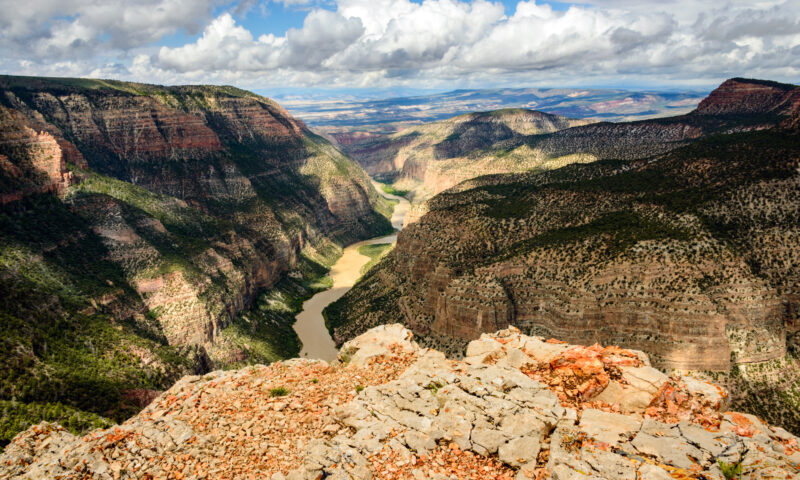
Feds to Open Tens of Thousands of Acres of Colorado Wilderness to Oil Drilling
-
 Deadly Dust: The Silicosis EpidemicMay 27, 2026
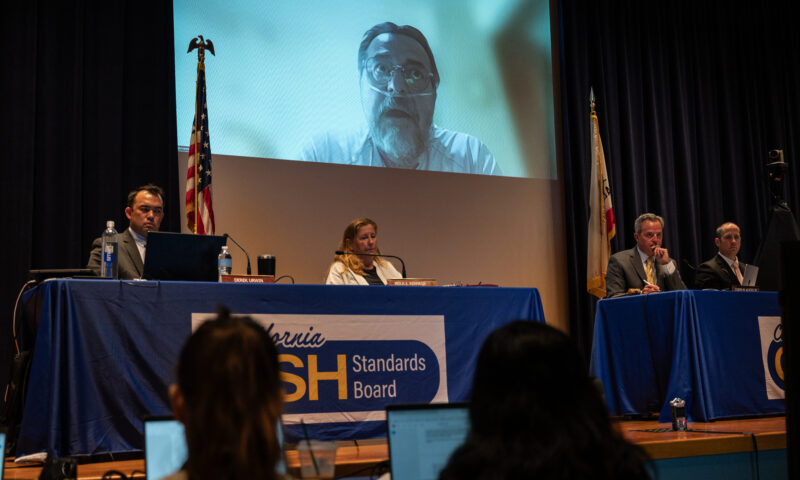
California Moves to Ban Quartz Countertop Fabrication to Combat Silicosis Epidemic
-
 Latest NewsMay 26, 2026
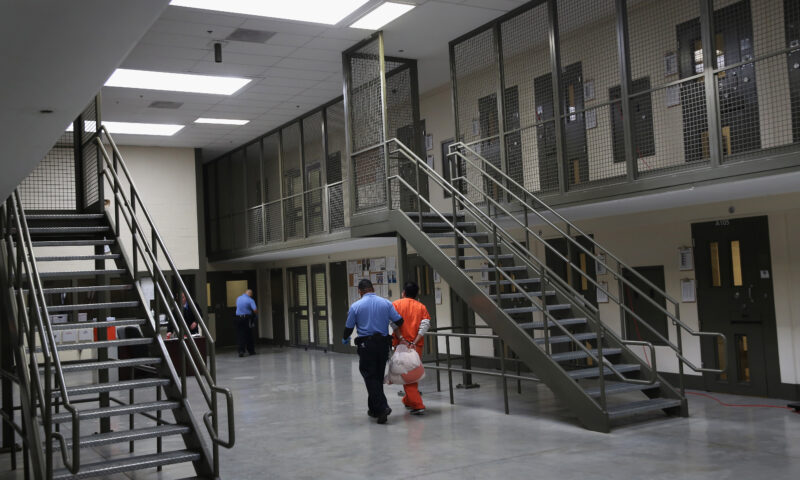
Conditions at California ICE Detention Centers Are Getting Worse, Inspections Find
-
 Imperial DivideJune 3, 2026
California’s Lithium Valley Dreams Meet Reality at the Only Restaurant in Town
-

 Column - State of InequalityMay 28, 2026
Top Democratic Candidates Agree on Housing Urgency, Not the Fix
-

 Latest NewsJune 1, 2026
Deep Cuts to Civilian Support Staff for Families of Deployed Marines Raise Concerns
-
 Column - State of InequalityJune 4, 2026
California’s Economy Runs on Labor Trump Wants to Deport
-

 The SlickJune 5, 2026
At This New Mexico Park, Mountain Bikers Pedal Amid Hundreds of Oil Wells