Labor & Economy
Five Important Points of the Immigration Agreement


It was announced over the weekend the bipartisan Senate “Gang of Eight” came to an agreement in principle on a major aspect of creating a commonsense immigration process that benefits all workers.
This agreement includes a new kind of worker visa program called the W-Visa, which will work for everyone, not just employers.
Here are five things you need to know about this new employer-based visa:
- The W-Visa is not a temporary visa. Workers will have the ability to self-petition for permanent status after a year and they are not tied to a single employer.
- Unlike other employer visa programs, this one will be data driven. Data will be compiled by a new bureau called the Bureau of Immigration and Labor Market Research. The bureau will be a separate and independent component within U.S. Citizenship and Immigration Services (USCIS). The director of the bureau will be appointed by the president and confirmed by the Senate. The bureau will be staffed by experts in economics, labor markets, demographics and other specialties needed to identify labor shortages and make recommendations, among other things, on the impact of immigration on labor markets as well as the methods of recruitment of U.S. workers into lesser-skilled, non-seasonal jobs. The bureau will publish shortage lists by occupation and make annual recommendations and reports to Congress on how to improve employment-based immigration. The bureau also will have a role in setting the annual W-Visa cap. USCIS will fund the bureau through registered employers and registered openings fees for employers.
- W-Visa holders will be paid fairly, meaning their wages will not adversely affect the wages or working conditions of U.S. workers. Wages will be the actual wage level paid by the employer to all other individuals with similar experience and qualifications for the specific employment in question, or the prevailing wage level for the occupational classification in the area of employment, whichever is greater. Extensive recruitment of U.S. workers will be required.
- W-Visa workers will be covered by state and federal employment laws to the same extent that other U.S. workers are covered. W-Visas will not be available to employers who have laid off workers within 90 days and will not be available to employers during a strike or lockout.
- A new visa program is only a small part of the AFL-CIO’s campaign to build a commonsense immigration system. Mass deportations are a moral and economic crisis. The senseless thwarting of DREAMers’ efforts to live the American Dream is a crisis. The AFL-CIO is leading a national campaign for reform that addresses these crises.
AFL-CIO President Richard Trumka said in a statement:
“From making sure citizenship for the 11 million is achievable not only in theory, but in fact, to maintaining family unity, the labor movement’s immigration campaign is just getting started.”
Sen. Chuck Schumer (D-N.Y.) said legislation still must be drafted and the group of eight needs to sign off on the specific language, but “we have substantive agreement on all the major pieces now between the eight of us.”
Read the labor movement’s principles for creating a comprehensive, commonsense immigration process and the New York Times editorial, The Immigration Spring.
(Jackie Tortora blogs for the AFL-CIO. Her post first appeared on Labor’s Edge and is republished with permission.)



-

 Column - State of InequalityJune 4, 2026
California’s Economy Runs on Labor Trump Wants to Deport
-

 Featured VideoJune 5, 2026
At This New Mexico Park, Mountain Bikers Pedal Amid Hundreds of Oil Wells
-

 Latest NewsJune 9, 2026
Ousted by the Trump Administration, U.S. Immigrants Remain Locked up in African Kingdom
-
 The SlickJune 10, 2026
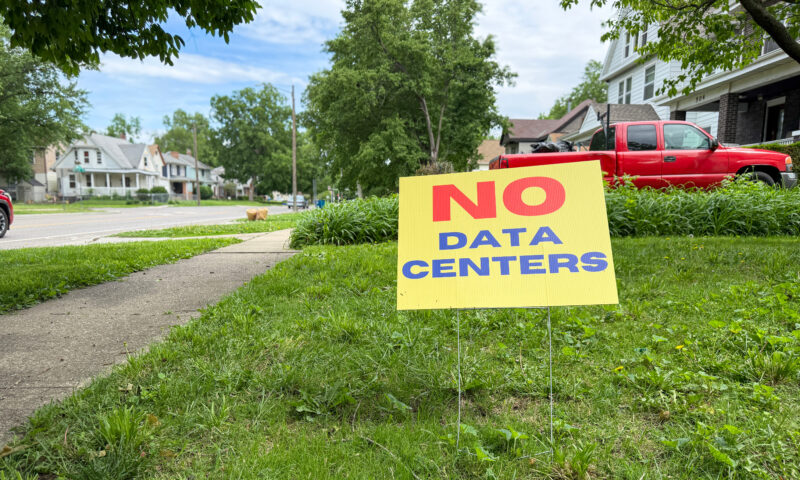
Data Centers Are on the Ballot — This Pennsylvania Candidate Won Her Primary Keeping Them Top of Mind
-
 Latest NewsJune 12, 2026
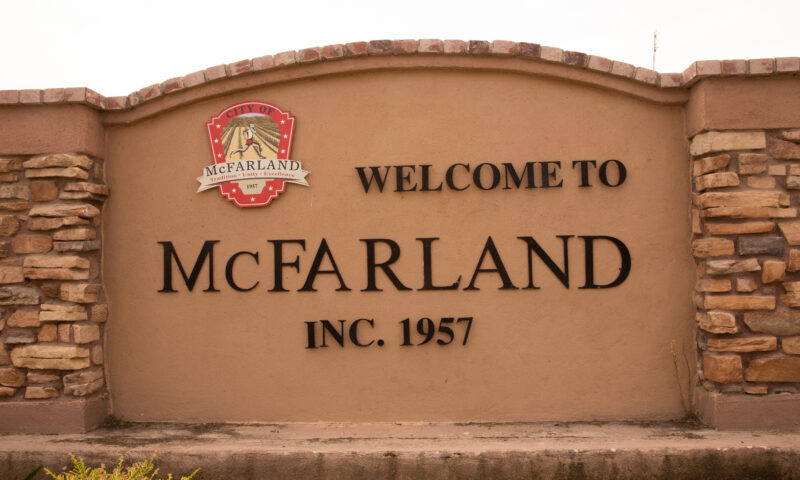
California Town Lets Private ICE Detention Centers Police Themselves
-

 Latest NewsJune 8, 2026
The Glacier May Be Gone, but the Love Isn’t
-
 Column - State of InequalityJune 11, 2026
County Tax Measures Show Limits of Local Responses to Medicaid Cuts
-

 The SlickJune 16, 2026
Why Coal Will Lead to More Deaths in Colorado