
Environment
Don’t Waste This Opportunity, Los Angeles


The political leadership of Los Angeles is changing hands in a month – bringing tremendous challenge and opportunity.
One of the greatest opportunities, for our Mayor-elect and the biggest batch of new City Council members we’ve had in over a decade, is finishing the transformation of our archaic commercial waste and recycling system into a highly effective national model. I say finish because we’re almost there.
Why is this important?
Well, for starters, we’re running out of space to deal with our waste. For decades, as a city and region, we’ve relied on a constellation of toxic landfills, many of which have closed. The largest of those, Puente Hills, is set to close next year, which is going to create a genuine problem for the region, particularly cities like Los Angeles that throw the most away.
Now, on one obvious level, this is a good thing. Landfills are horrible for the environment, communities and the ethos of personal responsibility. They contaminate groundwater, they smell, they release tons of methane – a greenhouse gas that impacts climate change over 20 times more than carbon dioxide – they create horrendous traffic in surrounding communities and, at the root, they perpetuate the idea that we can just throw everything away and waste virgin materials without consequences. Given all this, they’re largely discredited as a long-term solution in Southern California, and consequently, it’ll be virtually impossible to get new ones permitted.
Well versed in these issues and genuinely committed to a zero waste future with maximum recycling, the City of L.A. has done an incredible job of increasing recycling and composting where they’ve been empowered to do so – namely, with our single-family homes, serviced by stalwart city workers, who divert over 70 percent of their waste out of landfills, and with pilot programs for apartments and restaurants. Still, city leaders ranging from City Councilmember Jose Huizar to Mayor-elect Eric Garcetti to Councilmembers Paul Koretz and Richard Alarcon, as well as Board of Public Works Commissioner Steve Nutter and the Bureau of Sanitation, have recognized the elephant in the room. Our existing commercial waste system for businesses and apartments sends 3-4 million tons of waste per year to these toxic landfills that are running out of space, with only 19 percent of commercial waste getting recycled or diverted.
These leaders have brought us to the brink of an historic transformation. Over the next six months, L.A. will dramatically transform its waste and recycling system for businesses and apartments, and in the process will make our system a model for the nation.
One key element of the new system is that every apartment dweller and commercial customer, from nonprofits to skyscrapers, will have the opportunity to recycle. That’s because the waste haulers who secure the work through an exclusive franchise system will be required to provide recycling options to every Angeleno, regardless of where they live or work.
This is how we end our addiction to landfills…this is how we avoid drowning in trash…this is how we will earn our green reputation and lead the nation as a zero waste city that finally recognizes we can’t just throw everything away.
That’s an opportunity.



-
 The SlickMay 29, 2026
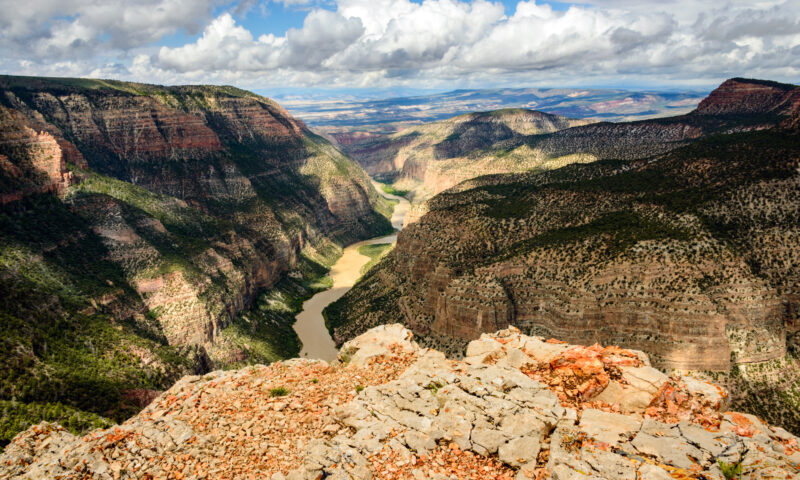
Feds to Open Tens of Thousands of Acres of Colorado Wilderness to Oil Drilling
-

 Deadly Dust: The Silicosis EpidemicMay 27, 2026
California Moves to Ban Quartz Countertop Fabrication to Combat Silicosis Epidemic
-
 Latest NewsMay 26, 2026
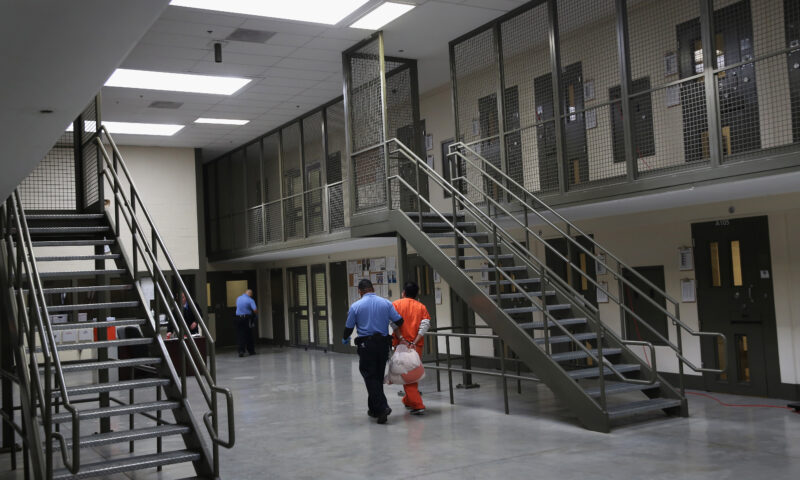
Conditions at California ICE Detention Centers Are Getting Worse, Inspections Find
-
 Imperial DivideJune 3, 2026
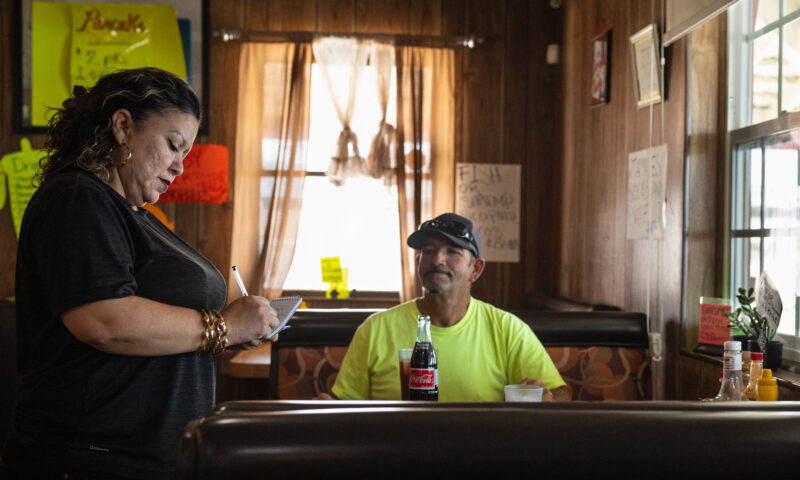
California’s Lithium Valley Dreams Meet Reality at the Only Restaurant in Town
-

 Column - State of InequalityMay 28, 2026
Top Democratic Candidates Agree on Housing Urgency, Not the Fix
-

 Latest NewsJune 1, 2026
Deep Cuts to Civilian Support Staff for Families of Deployed Marines Raise Concerns
-

 Column - State of InequalityJune 4, 2026
California’s Economy Runs on Labor Trump Wants to Deport
-
 The SlickJune 5, 2026
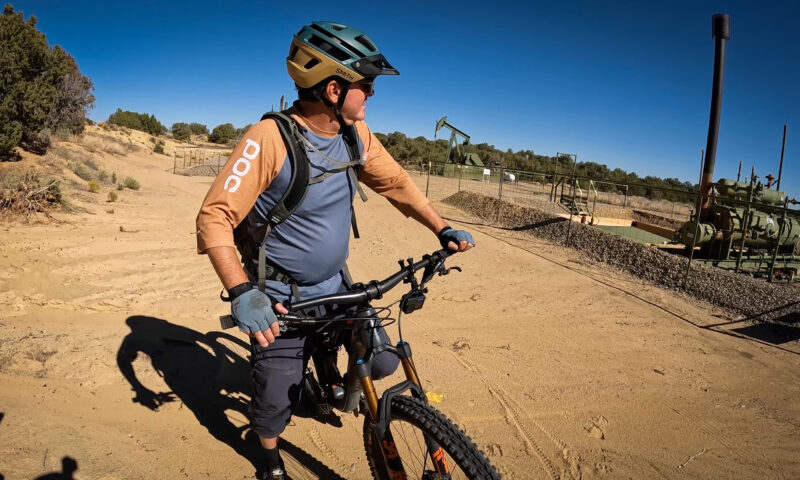
At This New Mexico Park, Mountain Bikers Pedal Amid Hundreds of Oil Wells