Environment
A Sustainable Planet: Roadmaps for Survival

Turning over the calendar makes me think about nature. Partly, because it marks the end of one cycle of our lives and the beginning of another. Partly because at our house we literally take one calendar off the wall, look through its photographs of beautiful places, and replace it with a new one with its own photos of the world’s natural beauty that we will uncover one month at a time. The ritual reminds me that the earth is filled with beauty which we humans must sustain because it sustains us.
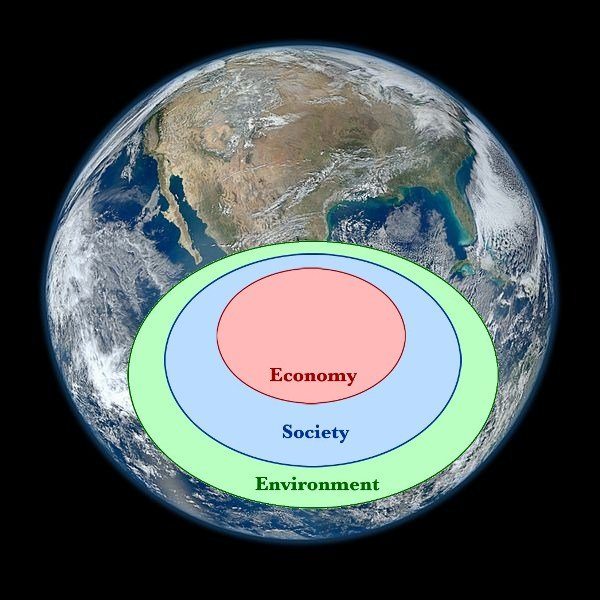
The problem, of course, is that in our drive for “progress” and “economic growth” we are drawing down too many resources too fast and making messes despoiling not only the earth’s beauty but also her capacity to keep us alive. Every day the news carries stories of waste, trash, unhealthy water, shrinking arctic ice and aberrant weather patterns. So can we change our way of doing things so the earth could continue to nurture and support us?
- One proposal asks us to look at our world as bio-regions instead of in terms of the arbitrary state or national lines designed over the past 200 or so years. For example, instead of seeing the Northwest as separate entities such as Oregon, Washington and Idaho, we could look at it as “Cascadia” or the watershed of the Cascade range, which would also include Northern California. Looking at the area from such a geological perspective instead of as a set of geo-political lines would raise different questions, require different responses and involve decision-making by a different ordering of government. Not easy to accomplish, but possible. Regional inter-governmental associations are a beginning.
- Sustainable development is a complementary notion to the above idea. Instead of measuring everything by “economic growth” we could measure human advancement in a different context by shifting the emphasis toward balancing input with output. Let’s say I drive my car, with bicycles on the back, to the beach in order to take in a beautiful day and get some exercise – both good New Year activities. I calculate the expenses in terms of direct costs: gasoline in the car, wear and tear, insurance costs and perhaps the price of parking when I get there. Making these calculations, I ignore the indirect costs: my carbon emissions, the cost of building and maintaining the freeways and streets I use, the way those surfaces affect the flow of rainfall and the muck it carries into the bay, among other things.
When companies calculate their profits, they do not include these indirect costs either. The oil companies or the cement plants do not include the collateral impact of their activities as a cost of doing business. Waste and damage to the natural world are not factored into their calculations. Society pays those costs – through higher taxes or illness or the increased gap between the very rich and the rest of us – and the earth carries the load. Sustainable development would re-balance that formula. The costs that companies calculate would carry a different bottom line, but it would reflect the real price of their decisions.
- The small Himalayan nation of Bhutan offers another way to think about these problems. Instead of measuring “economic growth,” it uses a happiness scale as a means of determining its national strength. Bhutan measures the general well-being of its population. Economist Herman Daly and theologian John Cobb proposed such a formula for our country two decades ago. In their book For the Common Good, they argued its compelling morality while demonstrating its reasonableness and feasibility. Measuring well-being instead of economic growth establishes a different set of criteria for weighing our health as a people and a nation.
Such shifts are critical for human survival on this earth. We cannot continue to think about what we do and continue what we have done – and expect to escape the consequences. As Barbara Kingsolver says in her best-selling novel Flight Behavior, in any conflict between nature and people, people lose. The New Year is a good time to consider some new ways of thinking.


-
 Column - State of InequalityJune 4, 2026
California’s Economy Runs on Labor Trump Wants to Deport
-
 Featured VideoJune 5, 2026
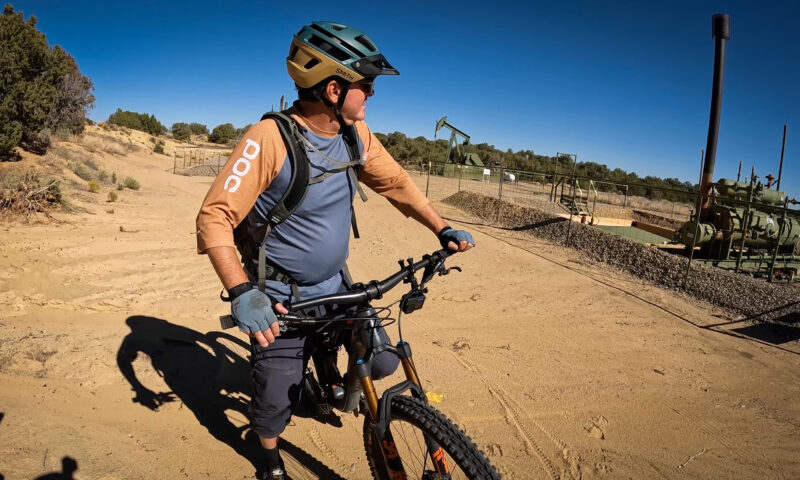
At This New Mexico Park, Mountain Bikers Pedal Amid Hundreds of Oil Wells
-
 The SlickJune 10, 2026
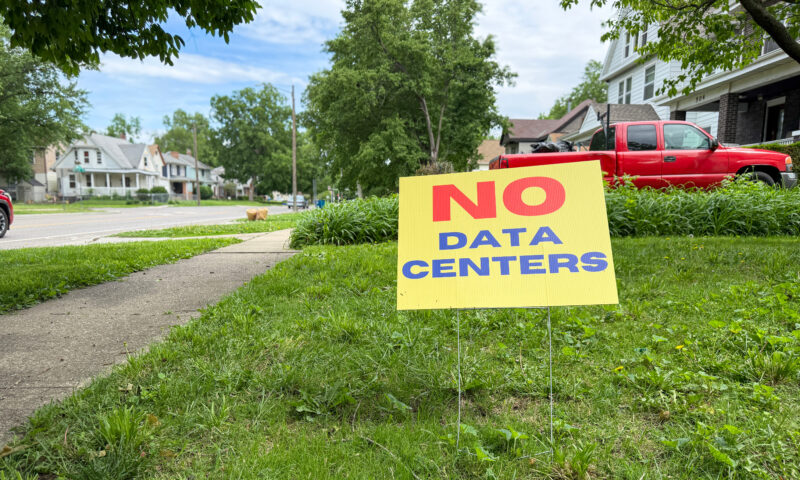
Data Centers Are on the Ballot — This Pennsylvania Candidate Won Her Primary Keeping Them Top of Mind
-
 Latest NewsJune 9, 2026
Ousted by the Trump Administration, U.S. Immigrants Remain Locked up in African Kingdom
-
 Latest NewsJune 12, 2026
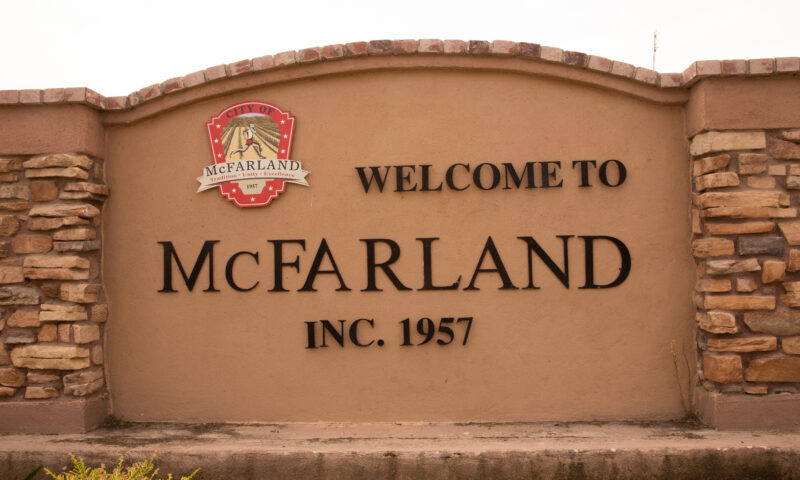
California Town Lets Private ICE Detention Centers Police Themselves
-
 Latest NewsJune 8, 2026
The Glacier May Be Gone, but the Love Isn’t
-
 Column - State of InequalityJune 11, 2026
County Tax Measures Show Limits of Local Responses to Medicaid Cuts
-
 The SlickJune 16, 2026
Why Coal Will Lead to More Deaths in Colorado