
Labor & Economy
A Real Jobs Plan Moves Forward

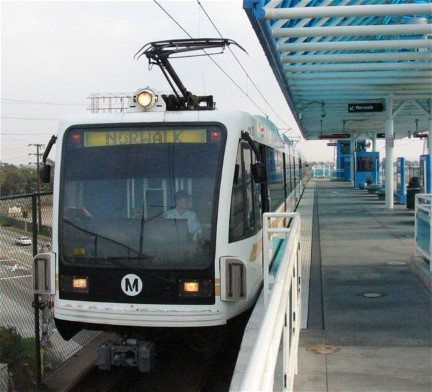
We know Los Angeles is in dire need of both jobs and a transportation system that works. Recently, the Metro Board of Directors took action by moving forward on a sweeping, agency-wide Construction Careers Policy covering Metro construction projects for the next 30 years, including projects funded under Measure R, the half-cent sales tax.
The vote at Metro was preceded by more than a year of hard work by LAANE, the L.A./O.C. Building Trades Council, and a coalition of community, environmental, labor, and transportation advocates – all united to make sure that our tax dollars are used to make Los Angeles a working, greener city. This policy brings together the taxpayers’ wishes for better public transportation and our critical need to get Americans back to work.
Anthony Mitchell, an electrician and single father of two whose family is facing foreclosure, attended the vote. “The recession has hit construction so hard we can hardly believe it,” he explained. “These are the toughest times I’ve seen, and it doesn’t look like it’s about to let up.” At a time when jobs are being debated at the national level, in Los Angeles we’re not just talking, but actually creating a jobs model other major cities can follow.
The Metro vote will ensure targeted hiring for thousands of construction jobs and authorize Metro to negotiate an agency-wide hiring policy. In this time of economic crisis, it is imperative that the millions of dollars funding transportation projects also work to further the economic development of the community by employing the many skilled workers who have the training and experience for these jobs as well as create new job opportunities.
Which projects could this policy immediately impact? One will be the Crenshaw Line, an 8.5-mile light rail that will run from the Expo Line at Exposition Boulevard to the Green Line near Los Angeles International Airport. Its tracks run through some of the communities hardest hit by the recession and most in need of good, new jobs.
President Obama has placed this project, amongst other national infrastructure projects, on the fast track for approval.
This policy would set a precedent as the first of its kind for a major transit agency in the U.S.
This victory means that our transportation investment will translate into helping the men and women who need it most. It means that families will be able to keep their homes. It means there will be an opportunity for people from surrounding communities to help build the transportation system that impacts their neighborhood and later be able to say, “I had a hand in that.”
The jobs created won’t just be any jobs; they will be good jobs with decent wages and benefits. Or, as Anthony explained it, “the kind we need to support our families.”
He summed up the feeling for all of us. “When the vote came in at 11-1, for the first time in a long time I felt a sense of hope.”


-

 Column - State of InequalityMay 21, 2026
In California Governor’s Race, Xavier Becerra Walks Away From Single-Payer
-
 Deadly Dust: The Silicosis EpidemicMay 6, 2026
California Could Be the First State to Ban Quartz Countertops
-

 Latest NewsMay 1, 2026
In One of L.A.’s Food Deserts, ‘Hands That Harmed Are Now Hands That Heal’
-

 Column - State of InequalityApril 30, 2026
Don’t Call It Upward Mobility If People Still Can’t Afford to Live
-

 Latest NewsMay 5, 2026
Fire Recovery Could Wipe Out Altadena’s Affordable Rentals
-

 Latest NewsMay 11, 2026
Inside the Texas Water Crisis Pitting Residents Against Industry
-

 Column - State of InequalityMay 7, 2026
California Lawmaker Proposes Fix to Blunt Loss of Food and Health Aid
-
 Latest NewsMay 8, 2026
Salvadoran Man Says He Suffered Stroke While Awaiting Deportation to Torture Prison