
Society
1992 Remembered: The School of Life

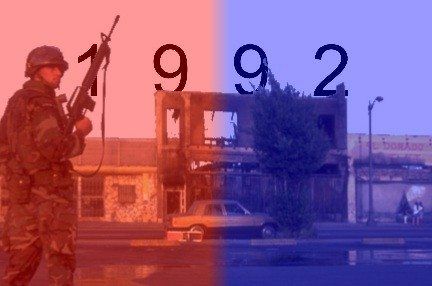
Ralphs had already left my neighborhood in Gardena — known as one of the most diverse cities in L.A. County — at the time of the ’92 riots. I remember the brightly lit grocery store with wide aisles being replaced by a Payless Foods with cramped aisles where food items like Sunny Delight and Cool-Ranch Doritos all of a sudden were double the price.
I remember a lot about ’92. I was 13 and lived in an apartment with my sister, mom and dad in the black part of Gardena, a trend we started where brown folks were creeping slowly into traditionally African-American neighborhoods.
It was the year before I entered high school. At the time, I attended Maria Regina Catholic School across the street from where I lived. Most of the students and my friends were African-American or Latino. I had to make a choice about which school to go to, and I knew that I did not want to attend Gardena High because tensions between black and brown students were running high and I didn’t want to get beat up. I was a “tough nerd” that could hold my own but I was still scared.
The day when everything erupted I stayed in the house, glued to the TV and deeply disturbed by the images of the beatings of Rodney King and Reginald Denny being played over and over again. As the daughter of immigrant parents, Jose Barajas and Maria Solares, I was old enough to understand poverty and workplace mistreatment, so I knew as I watched those images that something was broken. I knew that people did not just want to loot but that they were angry because they could not feed their families.
A few days later I remember the ashes falling on our cars as we drove to Payless Foods and the men dressed in military uniforms armed with rifles on the rooftop of the store. This was not the National Guard — they were sent by the owners to defend their investment. Naively I asked myself, “Where are the police?” We quickly went inside, got what we needed and hurried home.
Things got worse before they got better in my neighborhood. Neighbors would take out their anger on each other because although most people know intellectually that institutionalized racism and discrimination are the real enemy, they can’t get mad at faceless societal forces.
In ’92 I was valedictorian of Maria Regina School, and I saw my father cry for the first time as I gave my speech. In the fall I entered Bishop Montgomery High School. Soon after a Target store opened in my neighborhood and everything went back to normal.



-

 Latest NewsMay 22, 2026
Where California’s Gubernatorial Candidates Stand on Climate and Taking Big Oil Money
-
 The SlickMay 29, 2026
Feds to Open Tens of Thousands of Acres of Colorado Wilderness to Oil Drilling
-
 Deadly Dust: The Silicosis EpidemicMay 27, 2026
California Moves to Ban Quartz Countertop Fabrication to Combat Silicosis Epidemic
-
 Latest NewsMay 26, 2026
Conditions at California ICE Detention Centers Are Getting Worse, Inspections Find
-
 Imperial DivideJune 3, 2026
California’s Lithium Valley Dreams Meet Reality at the Only Restaurant in Town
-
 Column - State of InequalityMay 28, 2026
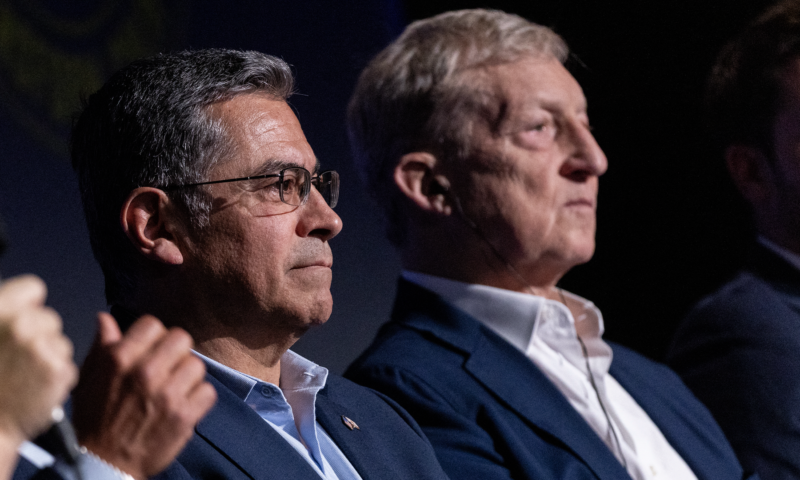
Top Democratic Candidates Agree on Housing Urgency, Not the Fix
-
 Latest NewsJune 1, 2026
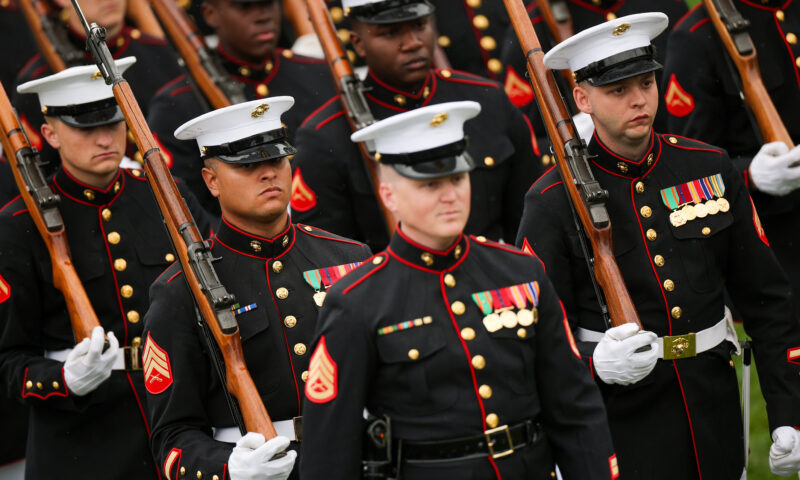
Deep Cuts to Civilian Support Staff for Families of Deployed Marines Raise Concerns
-
 Column - State of InequalityJune 4, 2026
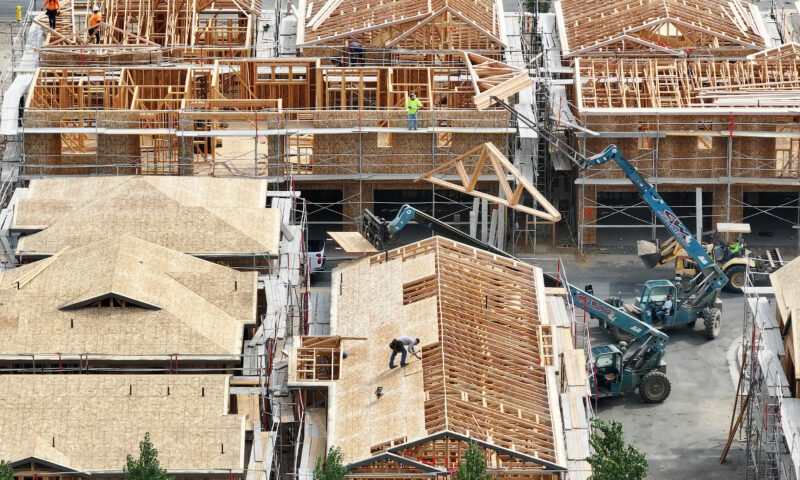
California’s Economy Runs on Labor Trump Wants to Deport